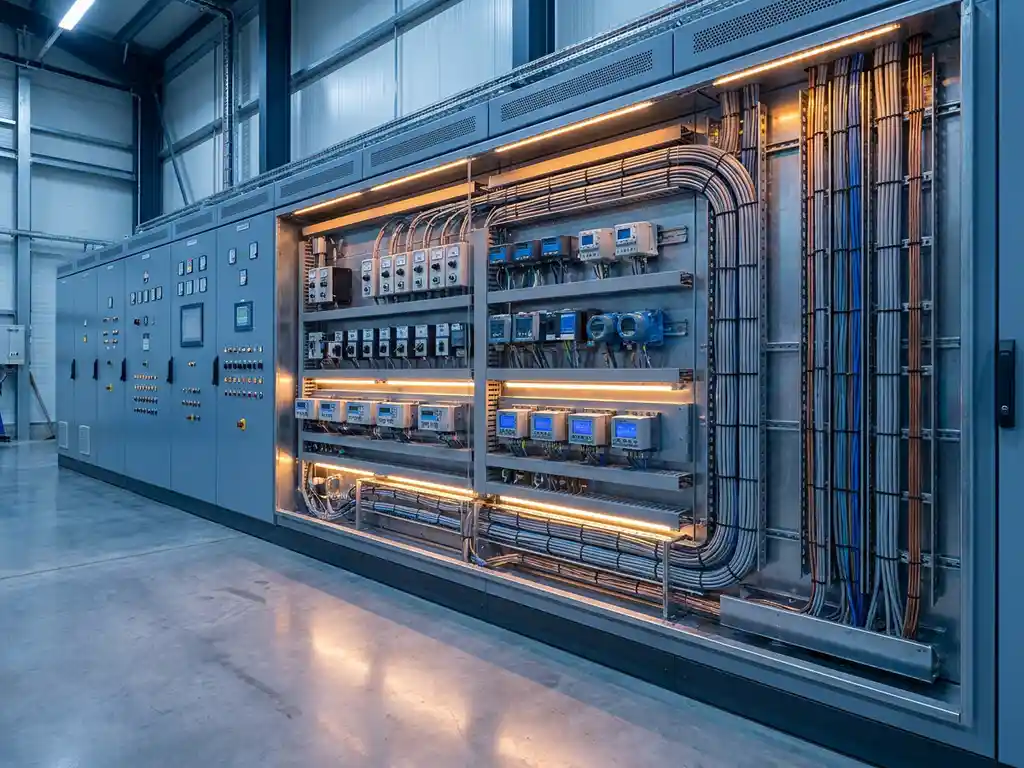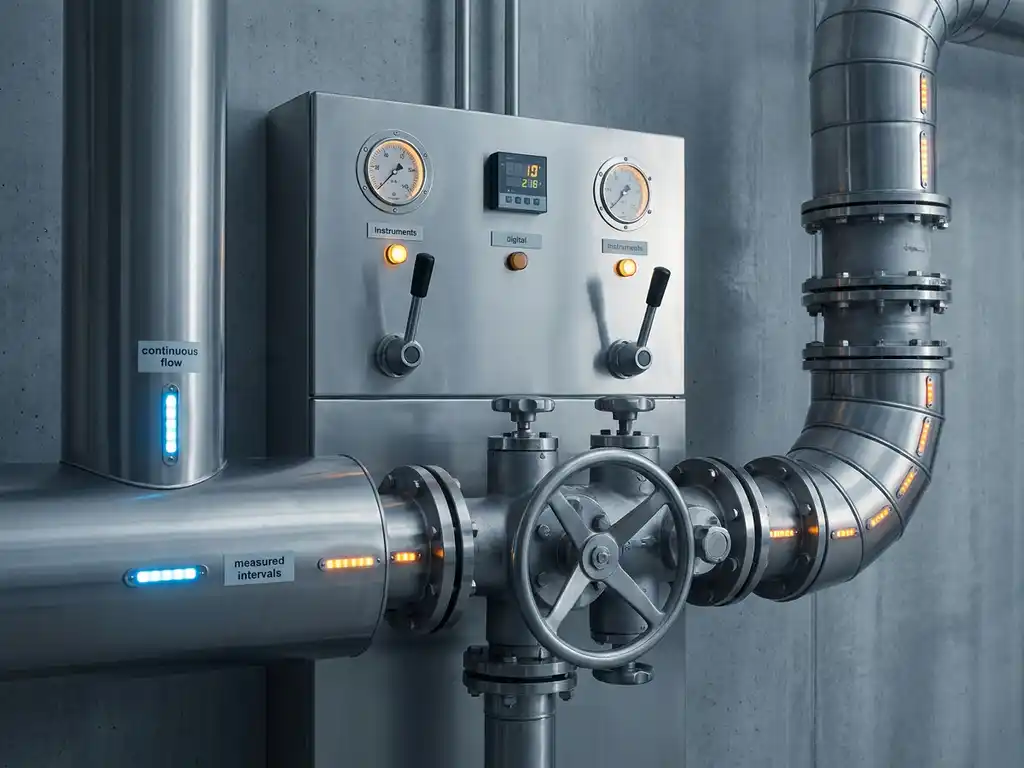

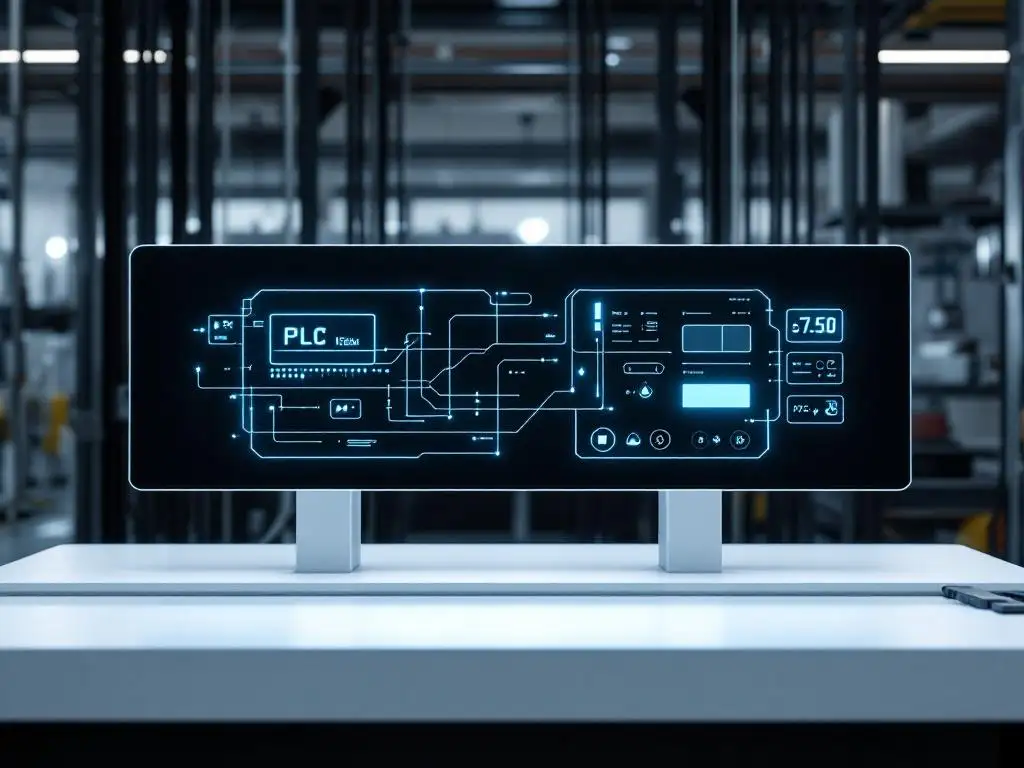
Programmable Logic Controllers in 2026 feature groundbreaking artificial intelligence integration, advanced edge computing capabilities, and enhanced cybersecurity protocols that are transforming industrial automation. These modern PLCs offer predictive maintenance, self-optimizing algorithms, and seamless cloud connectivity while meeting stringent energy efficiency standards. The latest innovations address growing demands for smart manufacturing, sustainable operations, and robust security in industrial environments.
What are the most significant PLC technology advances happening in 2026?
The most significant PLC advances in 2026 include AI-enhanced controllers that learn from operational patterns, edge computing integration for real-time processing, advanced cybersecurity frameworks, and improved connectivity protocols. These innovations enable predictive maintenance, autonomous optimization, and seamless integration with Industry 4.0 systems while maintaining operational reliability.
Edge computing capabilities allow Programmable Logic Controllers to process data locally, reducing latency and improving response times for critical operations. This advancement enables real-time decision-making without relying on cloud connectivity, which is particularly valuable in manufacturing environments where milliseconds matter.
Modern PLCs incorporate advanced communication protocols supporting 5G networks, Wi‑Fi 6, and enhanced Ethernet capabilities. These connectivity improvements enable better integration with Manufacturing Execution Systems (MES), Enterprise Resource Planning (ERP) systems, and cloud-based analytics platforms.
How is artificial intelligence changing modern PLC systems?
Artificial intelligence is transforming modern PLCs through predictive maintenance algorithms that analyze equipment patterns, self-optimizing control systems that adjust parameters automatically, and intelligent fault detection that prevents costly downtime. Machine learning capabilities enable PLCs to improve performance continuously without manual intervention.
AI-powered predictive maintenance monitors vibration patterns, temperature fluctuations, and operational metrics to predict equipment failures before they occur. This capability can reduce unplanned downtime by up to 70% and extend equipment lifespan through optimized maintenance scheduling.
Self-optimizing algorithms analyze production data to automatically adjust control parameters for maximum efficiency. These systems learn from historical performance, environmental conditions, and operational variables to maintain optimal production levels while minimizing energy consumption and waste.
What new connectivity and communication features are available in 2026 PLCs?
2026 PLCs feature advanced Industrial Internet of Things (IIoT) integration, native cloud connectivity, wireless communication capabilities, and improved interoperability protocols. These features enable seamless data exchange between automation systems, real-time monitoring from remote locations, and integration with enterprise-level business systems.
Native cloud connectivity allows PLCs to communicate directly with cloud-based analytics platforms, enabling real-time data visualization and remote system monitoring. This capability supports distributed manufacturing operations and enables centralized control of multiple facilities from a single dashboard.
Enhanced wireless capabilities include secure Wi‑Fi connections, Bluetooth for local device configuration, and cellular connectivity for remote installations. These features reduce installation costs by eliminating extensive cabling while maintaining the reliable communication standards required for industrial applications.
How do modern PLCs enhance cybersecurity in industrial environments?
Modern PLCs enhance cybersecurity through built-in encryption protocols, secure authentication systems, encrypted communication channels, and comprehensive security frameworks that protect against cyber threats. These features include role-based access control, secure remote access capabilities, and continuous security monitoring.
Encrypted communication protocols ensure data integrity during transmission between PLCs, Human-Machine Interfaces (HMIs), and supervisory systems. Advanced encryption standards protect sensitive operational data from interception while maintaining the communication speed required for real-time control applications.
Role-based access control systems limit user permissions based on job functions, preventing unauthorized access to critical control systems. These security measures include multi-factor authentication, audit trails for all system changes, and automatic security updates to protect against emerging threats.
What makes 2026 PLCs more energy-efficient and sustainable?
2026 PLCs achieve greater energy efficiency through intelligent power management systems, real-time energy monitoring capabilities, optimized processing architectures, and sustainable manufacturing considerations. These features reduce industrial carbon footprints while maintaining operational performance and reliability.
Intelligent power management automatically adjusts processor performance based on current workload requirements, reducing energy consumption during low-demand periods. Advanced sleep modes and dynamic frequency scaling minimize power usage without compromising response times for critical control functions.
Real-time energy monitoring provides detailed insights into power consumption patterns across industrial processes. This data enables facility managers to identify energy-saving opportunities, optimize production schedules during off-peak hours, and implement sustainable manufacturing practices that reduce environmental impact.
How CoNet helps with PLC innovations
CoNet specializes in implementing the latest PLC technologies through comprehensive automation solutions that leverage cutting-edge Programmable Logic Controllers. Our expertise enables businesses to adopt advanced PLC innovations while ensuring seamless integration with existing systems and optimal performance outcomes.
Our PLC innovation services include:
- Assessment of current automation infrastructure and upgrade requirements
- Implementation of AI-enhanced PLC systems with predictive maintenance capabilities
- Integration of advanced cybersecurity protocols and secure communication systems
- Energy efficiency optimization through intelligent power management solutions
- Comprehensive training and ongoing support for advanced PLC technologies
We provide complete project lifecycle support, from initial consultation through implementation and ongoing maintenance. Our team ensures that your organization maximizes the benefits of modern PLC innovations while maintaining operational excellence and system reliability.
Ready to explore how advanced PLC technologies can transform your industrial operations? Contact us to discuss your automation requirements and discover the potential of next-generation Programmable Logic Controllers for your business.