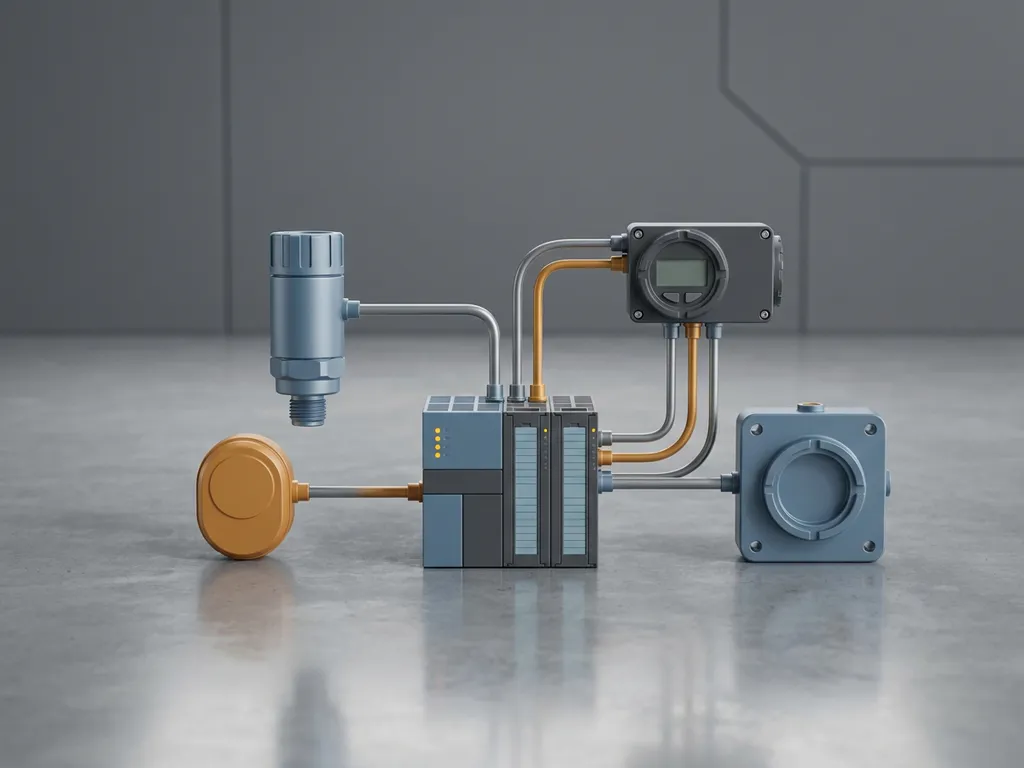

Programmable Logic Controllers face numerous cybersecurity threats that can disrupt industrial operations and compromise safety systems. Modern PLCs employ multiple security layers, including network monitoring, access controls, and real-time threat detection, to protect against attacks. Understanding these threats and implementing proper security protocols is essential for maintaining safe, reliable industrial automation systems.
What are the most common cybersecurity threats targeting PLCs?
PLCs face four primary cybersecurity threats: malware attacks, network intrusions, unauthorised access attempts, and social engineering tactics. These threats specifically target the operational technology networks that control industrial processes, making them particularly dangerous for manufacturing and process industries.
Malware attacks represent one of the most serious threats to PLC systems. Industrial-focused malware can modify control logic, alter safety parameters, or cause equipment malfunctions. Unlike traditional computer viruses, industrial malware is designed to understand and manipulate the specific protocols and functions that PLCs use to control machinery and processes.
Network intrusions occur when attackers gain unauthorised access to industrial networks through vulnerabilities in communication protocols or network infrastructure. Many PLCs use legacy communication protocols that were designed for reliability rather than security, making them vulnerable to network-based attacks.
Unauthorised access attempts involve attackers trying to gain direct control of PLC systems through weak authentication mechanisms or default passwords. Social engineering tactics target plant personnel through phishing emails or phone calls designed to gather system credentials or plant information that can be used in subsequent attacks.
How do PLCs detect and respond to cyberattacks?
Modern PLCs use built-in security features, continuous monitoring capabilities, anomaly detection systems, and automated response mechanisms to identify and counter cybersecurity threats in real time. These systems work together to provide multiple layers of protection and rapid response to potential security incidents.
Built-in security features include encrypted communication protocols, digital certificates for device authentication, and secure boot processes that verify system integrity during startup. Many contemporary PLCs also incorporate intrusion detection capabilities that monitor network traffic for suspicious patterns or unauthorised communication attempts.
Continuous monitoring systems track PLC performance parameters, communication patterns, and operational data to establish baseline behaviour. When systems detect deviations from normal operating patterns, they can trigger alerts or automated responses to potential security incidents.
Anomaly detection systems use advanced algorithms to identify unusual behaviour that might indicate a security compromise. These systems can detect changes in control logic, unexpected communication patterns, or abnormal process behaviour that could signal a cyberattack in progress.
Automated response mechanisms can isolate affected systems, switch to backup controllers, or implement safe shutdown procedures when security threats are detected. These responses help minimise potential damage while allowing security personnel to investigate and address the threat.
What security protocols should be implemented around PLC systems?
Comprehensive PLC security requires network segmentation, strict access controls, multi-factor authentication methods, encryption standards, and detailed security policies that create multiple layers of protection. These protocols work together to establish defence-in-depth strategies for industrial automation systems.
Network segmentation involves separating industrial control networks from corporate IT networks and the internet. This creates isolated zones that prevent attackers from moving between different network segments, limiting the potential impact of security breaches.
Access controls should implement the principle of least privilege, ensuring that users and systems only have the minimum access necessary to perform their functions. This includes role-based access controls, time-limited access permissions, and regular reviews of user privileges.
Authentication methods should include multi-factor authentication for all system access, strong password policies, and regular credential updates. Digital certificates and encrypted communication protocols help verify device identity and protect data transmission between systems.
Security policies should establish clear procedures for system maintenance, incident response, and personnel training. These policies should cover everything from acceptable use guidelines to emergency response procedures for security incidents.
How often should PLC security systems be updated and maintained?
PLC security systems require regular updates, including monthly security patch reviews, quarterly vulnerability assessments, and annual comprehensive security audits. The frequency of updates depends on the criticality of systems, changes in the threat landscape, and manufacturer recommendations for specific equipment.
Security patch management should follow a structured approach that includes testing patches in development environments before applying them to production systems. Critical security patches may require immediate implementation, while routine updates can follow scheduled maintenance windows.
Firmware updates should be applied according to manufacturer recommendations and security advisories. These updates often include important security improvements and should be prioritised based on the severity of the vulnerabilities they address.
Vulnerability assessments should be conducted quarterly or whenever significant system changes occur. These assessments help identify potential security weaknesses before they can be exploited by attackers.
Ongoing maintenance schedules should include regular backup procedures, security log reviews, and system performance monitoring. Documentation of all security-related activities helps maintain compliance with industry standards and provides valuable information for incident response.
What happens when a PLC system is compromised by cyberattacks?
PLC system compromises can result in production shutdowns, safety system failures, equipment damage, and significant financial losses. The immediate response requires isolating affected systems, activating backup controls, and implementing emergency procedures to protect personnel and equipment while investigating the security incident.
Production disruptions are often the most immediate consequence of PLC compromises. Attackers may alter control parameters, disable safety systems, or cause equipment malfunctions that force emergency shutdowns. These disruptions can cost thousands of pounds per hour in lost production.
Safety risks emerge when attackers compromise safety-critical systems or disable protective functions. This can create dangerous conditions for plant personnel and potentially lead to accidents, environmental releases, or equipment damage.
Data breaches may expose sensitive operational information, intellectual property, or competitive intelligence. Industrial systems often contain valuable process data and proprietary control algorithms that competitors or nation-state actors might target.
Recovery strategies should include immediate system isolation, forensic investigation to understand the scope of the attack, and systematic restoration of systems from clean backups. Emergency response procedures should prioritise personnel safety while minimising operational disruption and preventing further system compromise.
How CoNet helps with PLC cybersecurity
CoNet provides comprehensive PLC cybersecurity solutions, including Siemens security implementations, vulnerability assessments, and ongoing security support for industrial automation systems. Our expertise in Siemens PCS 7 and SIMATIC systems enables us to deliver specialised security solutions tailored to your operational requirements.
Our cybersecurity services include:
- Security assessments and vulnerability analysis for existing PLC systems
- Implementation of Siemens security features and protocols
- Network segmentation and access control configuration
- Security monitoring and incident response planning
- Regular security updates and maintenance programmes
- Staff training on industrial cybersecurity best practices
We understand that every industrial facility has unique security requirements based on its processes, risk tolerance, and regulatory obligations. Our team works closely with plant managers and operations teams to develop security strategies that protect critical systems without disrupting production operations.
Ready to strengthen your PLC cybersecurity? Contact our security specialists to discuss your specific requirements and learn how we can help protect your industrial automation systems from cyber threats.