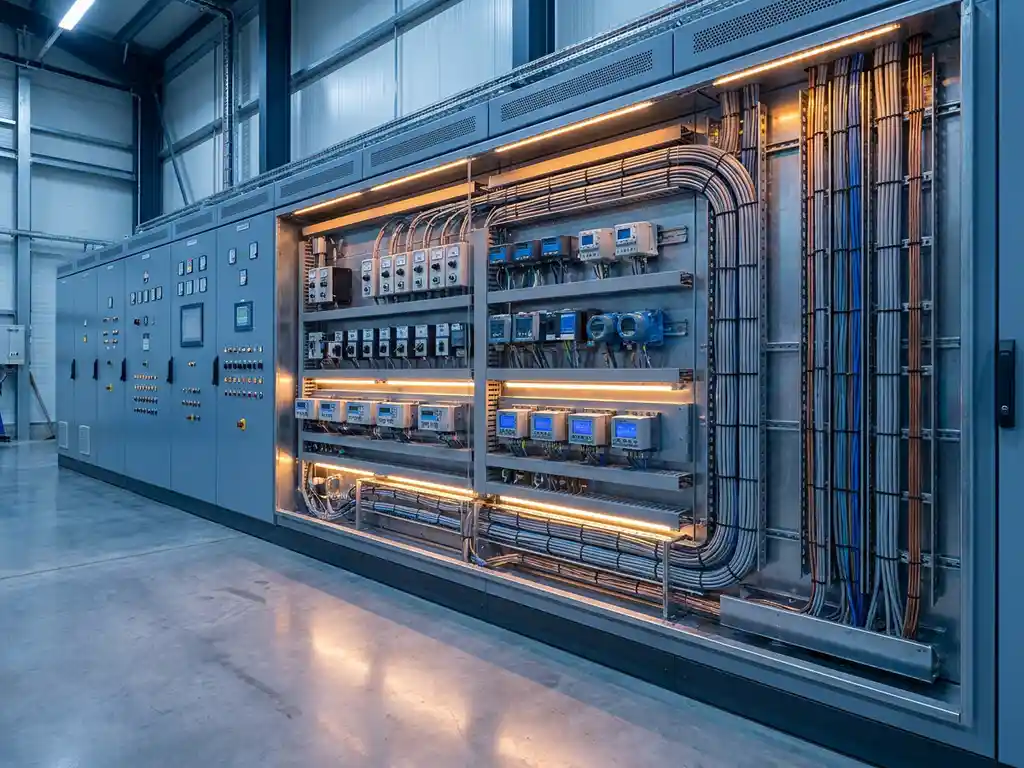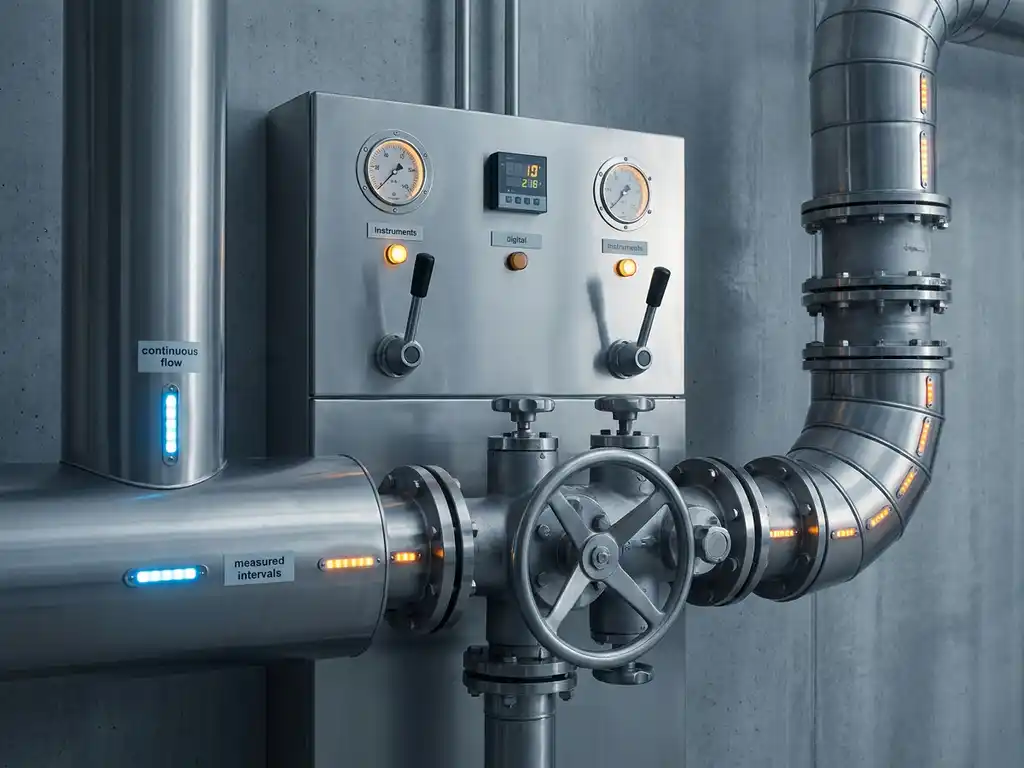


Plant care backup procedures are comprehensive emergency protocols designed to maintain industrial operations during system failures or unexpected disruptions. These procedures ensure continuous production, protect valuable equipment, and maintain safety standards when primary systems fail. Effective backup procedures combine automated failover systems, manual intervention protocols, and regular testing to minimize downtime and prevent costly operational interruptions across manufacturing environments.
What are plant care backup procedures and why are they critical?
Plant care backup procedures are systematic emergency protocols that maintain industrial operations when primary systems experience failures or disruptions. These procedures encompass automated failover mechanisms, manual intervention steps, and comprehensive documentation to ensure operational continuity during unexpected events.
The criticality of these procedures stems from the enormous financial impact of unplanned downtime in industrial settings. Manufacturing facilities face immediate revenue losses, potential safety hazards, and equipment damage when systems fail without proper backup protocols. Modern industrial plants rely heavily on interconnected automation systems where a single point of failure can cascade throughout the entire operation.
Safety compliance represents another crucial aspect of backup procedures. Industrial environments must maintain specific operational parameters to prevent hazardous conditions, environmental releases, or worker endangerment. Backup procedures ensure these safety systems remain functional even during primary system failures, protecting both personnel and surrounding communities.
Process automation environments require particular attention to backup planning because they integrate multiple control systems, data networks, and mechanical components. When one element fails, backup procedures provide predetermined response pathways that maintain production quality and prevent equipment damage while emergency repairs take place.
How do you develop effective backup procedures for industrial plants?
Developing effective backup procedures begins with comprehensive risk assessment and system documentation. Start by identifying all critical systems, potential failure points, and the cascading effects each failure could create throughout your operation.
The development process follows these essential steps:
- System mapping – Document all interconnected systems, dependencies, and critical control points
- Risk prioritization – Identify which failures would cause the most severe operational or safety impacts
- Redundancy planning – Design backup systems for high-priority components and processes
- Response protocols – Create step-by-step procedures for different failure scenarios
- Integration testing – Ensure backup procedures work seamlessly with existing automation systems
Best practices include involving operations staff in procedure development, since they understand daily operational realities. Document procedures clearly with visual aids and decision trees that guide operators through emergency responses. Regular training ensures personnel can execute backup procedures effectively under pressure.
Integration with existing automation systems requires careful coordination between backup procedures and process control systems. Modern industrial automation platforms can automate many backup responses, but manual procedures must complement these automated systems for scenarios requiring human judgment or intervention.
What types of backup systems should industrial plants have in place?
Industrial plants require multiple categories of backup systems to address different types of failures and maintain comprehensive operational protection. These systems work together to create layered redundancy that prevents single points of failure from disrupting entire operations.
Power backup systems include uninterruptible power supplies (UPS) for immediate protection and backup generators for extended outages. These systems maintain critical equipment operation and provide controlled shutdown capabilities when primary power fails.
Data backup encompasses both process data and configuration backups. Real-time data replication ensures process historians maintain continuous records, while system configuration backups enable rapid restoration of control system settings after hardware failures.
Communication backup systems maintain connectivity between control systems, operator interfaces, and remote monitoring capabilities. Redundant network paths, backup communication protocols, and alternative connection methods ensure operators retain system visibility during network disruptions.
Process control backup includes redundant controllers, backup sensors, and alternative control strategies. These systems automatically maintain process parameters when primary control elements fail, preventing product quality issues or unsafe operating conditions.
Emergency response protocols define manual procedures for scenarios where automated backup systems cannot maintain safe operations. These protocols include emergency shutdown procedures, manual control methods, and coordination with emergency services when necessary.
How often should plant backup procedures be tested and updated?
Plant backup procedures require regular testing and updates to remain effective and compliant with evolving operational requirements. Testing frequency depends on system criticality, regulatory requirements, and operational complexity, but most industrial facilities follow quarterly testing schedules for critical systems.
Testing schedules should include:
- Monthly testing of automated backup systems and power supplies
- Quarterly testing of complete backup procedures, including manual interventions
- Annual comprehensive testing involving all backup systems simultaneously
- Immediate testing after any system modifications or upgrades
Regulatory requirements often dictate minimum testing frequencies for safety-critical systems. Industries such as chemical processing, pharmaceuticals, and energy production face specific compliance standards that mandate regular backup system validation and documentation.
Update protocols should trigger procedure reviews whenever operational changes occur. Equipment upgrades, process modifications, personnel changes, or regulatory updates all necessitate backup procedure evaluation and potential revision.
Best practices include maintaining detailed testing logs, conducting post-test reviews to identify improvement opportunities, and scheduling tests during planned maintenance windows to minimize operational disruption. Regular training refreshers ensure personnel remain familiar with updated procedures and can execute them effectively during actual emergencies.
How CoNet helps with plant care backup procedures
We specialize in implementing comprehensive backup solutions for industrial plants using Siemens automation technology. Our expertise in PCS 7 process automation enables us to design robust backup systems that integrate seamlessly with existing plant operations.
Our backup procedure services include:
- Complete risk assessment and backup system design
- Siemens PCS 7 redundancy implementation and configuration
- 24/7 support services for emergency response and system recovery
- Customized backup procedure development tailored to specific plant requirements
- Regular testing and maintenance programs to ensure backup system reliability
- Staff training on backup procedures and emergency response protocols
As a certified Siemens specialist, we understand the critical importance of reliable backup systems in industrial environments. Our team combines technical expertise with practical experience to deliver backup solutions that protect your operations while maintaining operational efficiency.
Ready to strengthen your plant’s backup procedures? Contact us to discuss how we can help design and implement comprehensive backup systems that protect your industrial operations and ensure business continuity.