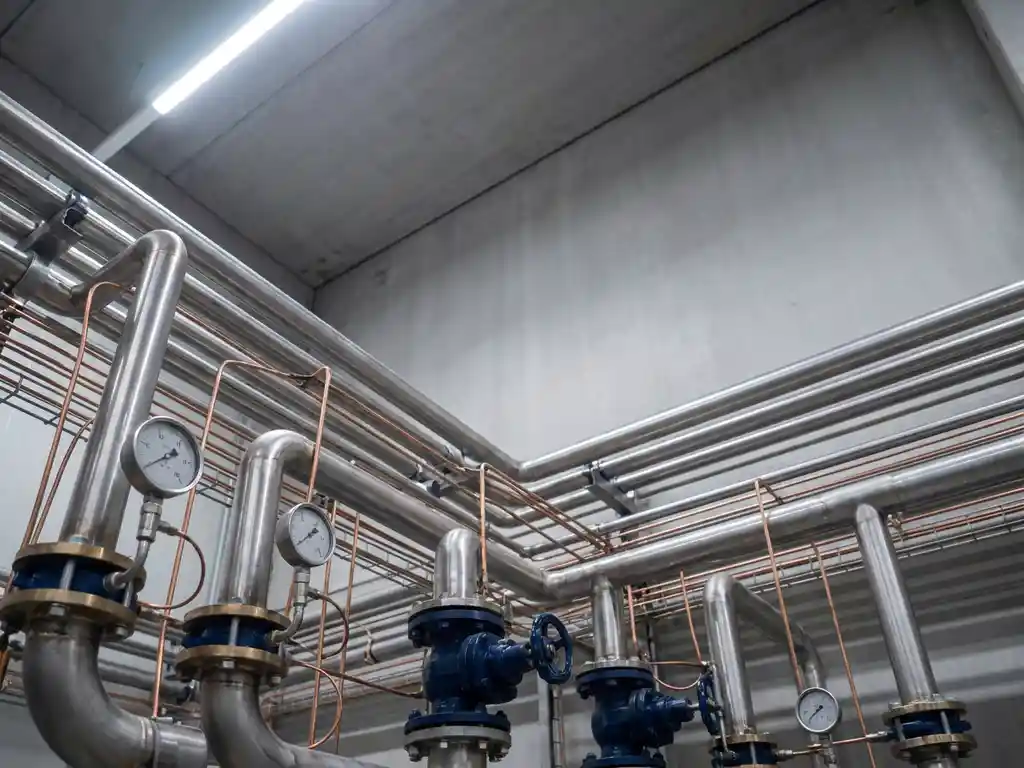

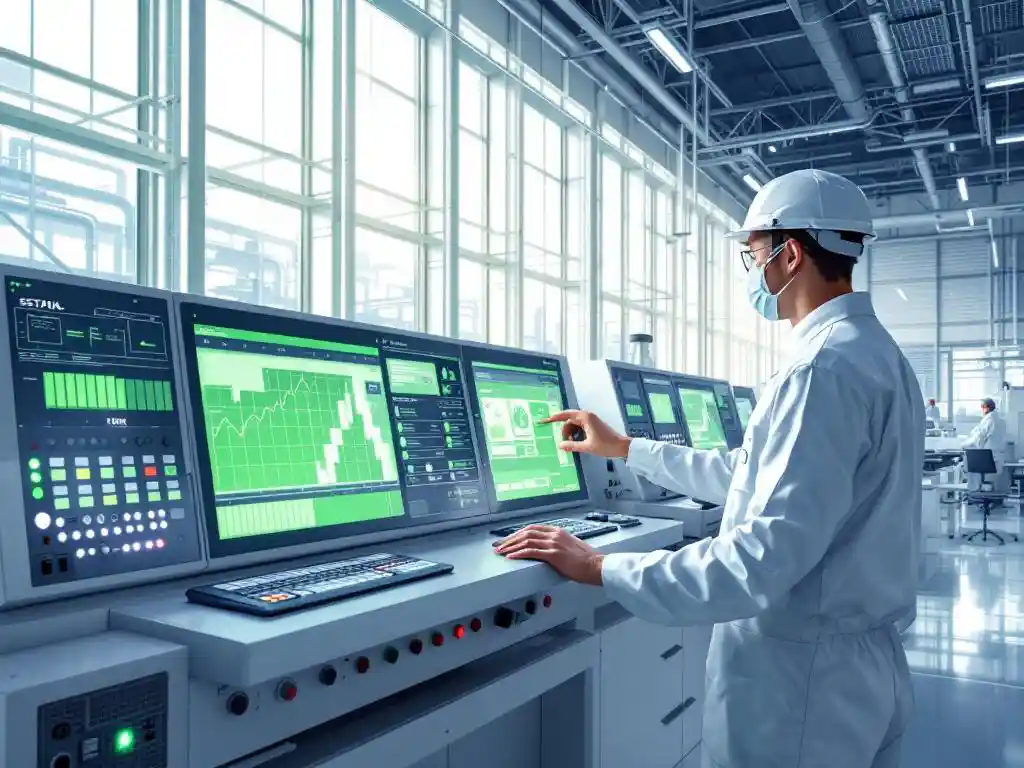
Plant care training encompasses comprehensive education programmes that equip industrial personnel with the skills to maintain, operate, and optimise manufacturing facilities safely and efficiently. This specialised training covers equipment operation, safety protocols, maintenance procedures, and regulatory compliance across diverse industrial sectors. Understanding these training fundamentals helps organisations build competent teams capable of managing complex industrial operations.
What is plant care training and why is it essential for industrial operations?
Plant care training is a comprehensive educational approach that prepares industrial workers to maintain, operate, and optimise manufacturing facilities through systematic instruction in safety, equipment handling, and process management. This training ensures personnel can effectively manage complex industrial systems whilst maintaining strict safety and quality standards.
The essential nature of plant care training stems from the critical demands of modern industrial operations. Manufacturing facilities require skilled operators who understand both routine maintenance and emergency response procedures. Proper training reduces workplace accidents by ensuring all personnel understand safety protocols and equipment limitations.
Regulatory compliance represents another crucial aspect, as industrial facilities must meet stringent environmental and safety standards. Well-trained staff understand these requirements and implement practices that prevent costly violations. Additionally, trained personnel identify potential issues before they become expensive problems, reducing downtime and maintenance costs.
The complexity of modern industrial equipment demands a thorough understanding of operational parameters, troubleshooting procedures, and optimisation techniques. Without proper training, operators may miss critical warning signs or fail to maximise equipment efficiency, leading to reduced productivity and increased operational costs.
What are the core components of effective plant care training programmes?
Effective plant care training programmes incorporate six fundamental components: safety protocols, equipment operation, maintenance procedures, emergency response, process optimisation, and regulatory compliance. Each component builds upon the others to create comprehensive competency in industrial plant management.
Safety protocols form the foundation of any training programme, covering hazard identification, personal protective equipment usage, and safe work practices. This includes understanding chemical handling procedures, electrical safety, and confined space entry requirements specific to the facility.
Equipment operation training encompasses both theoretical knowledge and hands-on experience with machinery, control systems, and monitoring equipment. Participants learn normal operating procedures, parameter monitoring, and basic troubleshooting techniques for their specific industrial environment.
Maintenance procedures training covers preventive maintenance schedules, inspection techniques, and basic repair procedures. This component ensures operators can perform routine maintenance tasks and identify when specialist intervention is required.
Emergency response training prepares personnel for various scenarios, including equipment failures, chemical spills, fires, and medical emergencies. This includes evacuation procedures, emergency communication protocols, and first aid response capabilities.
Process optimisation training teaches operators how to maximise efficiency whilst maintaining quality standards. This involves understanding process variables, identifying improvement opportunities, and implementing changes safely and effectively.
How do you implement plant care training in existing industrial facilities?
Implementing plant care training in existing facilities requires a structured approach beginning with a comprehensive needs assessment, followed by curriculum development, training delivery, and integration with current operations. This systematic approach ensures minimal disruption whilst maximising training effectiveness.
The needs assessment phase involves evaluating current staff competencies, identifying knowledge gaps, and determining training priorities based on operational requirements and safety considerations. This assessment should include input from operators, supervisors, and maintenance personnel to ensure comprehensive coverage.
Curriculum development follows the assessment, creating tailored training materials that address specific facility needs whilst incorporating industry best practices. Effective curricula combine theoretical knowledge with practical application, ensuring participants can apply learning immediately in their work environment.
Training delivery typically employs multiple methods, including classroom instruction, hands-on workshops, computer-based learning, and on-the-job mentoring. This varied approach accommodates different learning styles whilst providing comprehensive skill development opportunities.
Integration challenges include scheduling training around production requirements, ensuring adequate coverage during training periods, and maintaining operational continuity. Successful implementation often involves phased rollouts, cross-training initiatives, and temporary staffing arrangements to maintain productivity.
Best practices include establishing clear learning objectives, providing regular feedback, documenting competency achievements, and creating ongoing refresher training schedules to maintain skill levels over time.
What’s the difference between basic plant operations training and advanced plant care training?
Basic plant operations training focuses on fundamental equipment operation and safety procedures, whilst advanced plant care training encompasses comprehensive maintenance, troubleshooting, process optimisation, and leadership skills. The distinction lies in the depth of knowledge and scope of responsibilities covered.
Basic training typically covers essential safety protocols, standard operating procedures, and routine monitoring tasks. Participants learn to operate equipment within normal parameters, recognise basic alarm conditions, and follow established procedures for common situations.
Advanced plant care training expands beyond basic operations to include predictive maintenance techniques, complex troubleshooting methodologies, and process improvement strategies. This level includes understanding equipment internals, advanced diagnostic techniques, and optimisation strategies that maximise efficiency and reliability.
Career progression paths typically begin with basic operations training, advance through intermediate levels covering specialised equipment or processes, and culminate in advanced training that prepares individuals for supervisory or specialist roles.
Specialisation opportunities within advanced training include areas such as process control systems, predictive maintenance technologies, environmental compliance, and safety leadership. These specialisations allow individuals to develop expertise in specific areas whilst maintaining broad plant care competencies.
The time investment differs significantly, with basic training often completed in weeks or months, whilst advanced programmes may require years of combined education and experience to achieve full competency.
How do you measure the effectiveness of plant care training programmes?
Training programme effectiveness is measured through performance metrics, safety indicators, operational efficiency measures, and employee competency assessments. These measurements provide quantifiable evidence of training impact and identify areas requiring improvement or additional focus.
Performance metrics include tracking key performance indicators such as equipment uptime, production efficiency, and quality measures before and after training implementation. Measurable improvements in these areas indicate successful knowledge transfer and application.
Safety indicators encompass accident rates, near-miss reporting frequency, and safety audit scores. Effective training should demonstrate reduced incident rates and increased proactive safety reporting as employees become more aware of potential hazards.
Operational efficiency measures include energy consumption, waste generation, maintenance costs, and production throughput. Well-trained operators typically achieve better efficiency through optimised equipment operation and proactive maintenance practices.
Employee competency assessments involve both theoretical testing and practical demonstrations to verify skill acquisition. These assessments should be conducted immediately after training and periodically thereafter to ensure skill retention.
Continuous improvement approaches include regular feedback collection from trainees and supervisors, analysis of training effectiveness data, and updating curricula based on operational changes or new technologies. This ensures training programmes remain relevant and effective over time.
How CoNet helps with plant care training and industrial automation expertise
We specialise in comprehensive plant care training programmes focused on Siemens automation systems, combining theoretical knowledge with practical implementation experience. Our approach integrates process optimisation, safety protocols, and advanced automation techniques to deliver complete industrial training solutions.
Our training services include:
- Siemens PCS 7 system operation and maintenance training
- Process safety and regulatory compliance education
- Advanced troubleshooting and diagnostic techniques
- Automation system integration and optimisation
- Customised training programmes for specific industrial applications
As certified Siemens specialists with extensive practical experience across the chemical, food & beverage, and energy sectors, we understand the unique challenges of industrial plant operations. Our training programmes combine classroom instruction with hands-on experience using actual automation systems.
We provide ongoing support throughout the entire project lifecycle, ensuring your team maintains competency as systems evolve and expand. Our comprehensive approach means you have a single point of contact for all automation training needs.
Ready to enhance your team’s plant care capabilities? Contact us to discuss how our specialised training programmes can improve your operational efficiency and safety performance.