
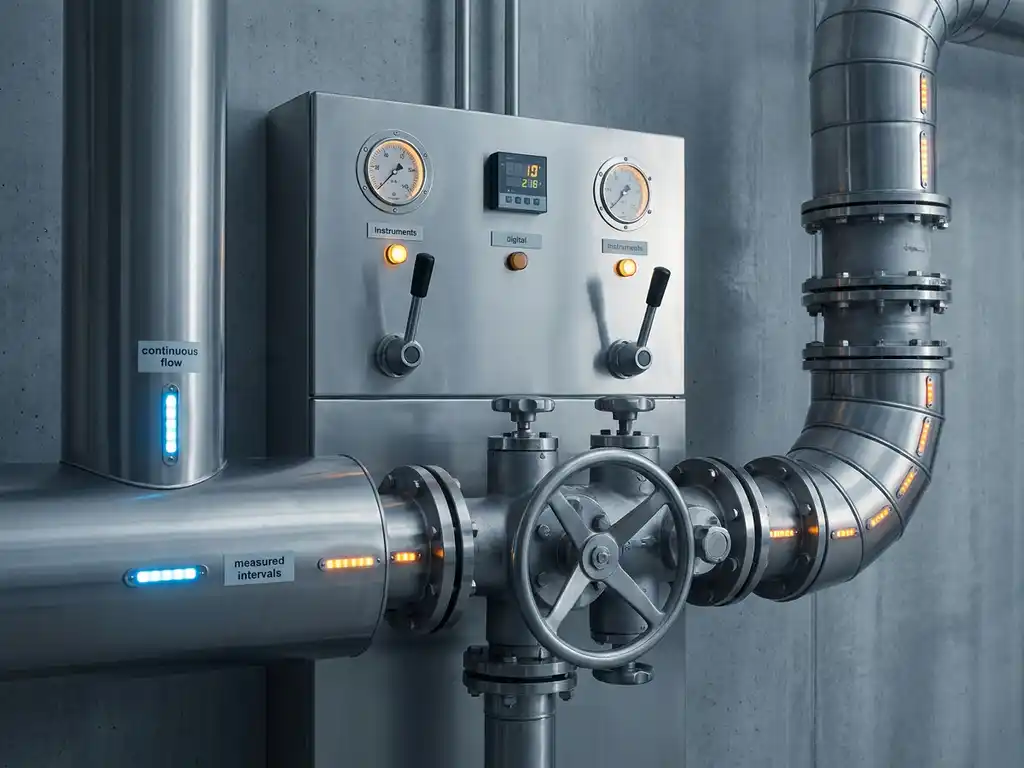
Yes, a DCS (Distributed Control System) can support both batch and continuous manufacturing processes, often within the same plant and on the same platform. Modern DCS platforms are designed to handle the structured, recipe-driven logic of batch production alongside the steady-state regulation of continuous processes, making them a practical choice for facilities that run both operation types simultaneously.
The key is that a well-architected DCS separates the control strategies for each process type while sharing the same hardware infrastructure, engineering environment, and operator interface. This applies to most mid-to-large industrial facilities in sectors like chemicals, food production, and pharmaceuticals. The sections below unpack the specific questions that come up most often when evaluating a DCS for hybrid manufacturing environments.
How does a DCS handle batch and continuous processes simultaneously?
A DCS handles batch and continuous processes simultaneously by running separate control strategies in parallel on shared hardware. Continuous loops use regulatory control blocks that maintain setpoints in real time, while batch sequences run through a procedural layer, typically built to the ISA-88 standard, that steps through phases, operations, and recipes without interrupting the continuous control running elsewhere in the plant.
In practice, this means a single DCS can be managing a continuous distillation column while simultaneously executing a multi-phase batch reaction in an adjacent vessel. The two control strategies coexist because the DCS architecture separates procedural logic from regulatory logic at the software level. Operators see both processes on a unified interface, and engineers configure them within the same engineering environment, reducing the need for separate systems and separate skill sets.
Communication between the batch and continuous sections is also possible. A batch phase can, for example, trigger a setpoint change on a continuous flow controller, allowing the two modes to interact in a coordinated way without manual intervention.
What is the difference between batch and continuous manufacturing in a DCS?
In a DCS context, the core difference between batch and continuous manufacturing is how control is structured over time. Continuous manufacturing runs indefinitely, maintaining process variables within defined limits using feedback control loops. Batch manufacturing is time-bound and sequential, executing a defined recipe of steps with a defined start and end point and producing discrete quantities of product per cycle.
From a control engineering perspective, this translates into different programming models:
- Continuous control relies on PID loops, cascade control, and feedforward strategies that regulate flow, temperature, pressure, and level in real time without a defined endpoint.
- Batch control uses procedural logic structured around phases and operations, where each step must complete before the next begins, and the system tracks the current state of the recipe at all times.
Both models can live inside a single DCS, but they require different configuration approaches and different operator interactions. Continuous processes demand constant monitoring of live values, while batch processes require tracking recipe progress, managing transitions between steps, and handling exceptions like failed phases or out-of-spec results.
What DCS features are essential for batch process control?
For effective batch process control, a DCS must include ISA-88-compliant batch management, recipe handling, phase logic execution, and robust exception management. These features allow the system to execute structured, repeatable production sequences while maintaining full traceability of what happened at each step of the batch.
The most critical features to look for include:
- ISA-88 batch framework support: Structured recipe management with clear separation between the general recipe, master recipe, and control recipe levels.
- Phase logic and state machines: The ability to define phases that transition through states such as idle, running, holding, and complete, with configurable conditions for each transition.
- Recipe management and version control: A system for creating, editing, approving, and versioning recipes so that production teams can manage product variants without engineering involvement for every change.
- Exception handling and hold logic: Automatic responses to out-of-spec conditions, including the ability to pause a batch, alert an operator, and resume without losing batch state.
- Audit trails and batch reporting: Automatic logging of all batch events, setpoint changes, and operator actions for quality assurance and regulatory compliance.
Without these features, a DCS can still run sequential logic, but it will lack the structure needed for reliable, auditable, and scalable batch production.
Which industries benefit most from a hybrid DCS approach?
Industries that benefit most from a hybrid DCS approach are those that run both continuous base processes and batch-oriented finishing, blending, or packaging operations within the same facility. Chemical manufacturing, food and beverage production, oil and gas, and specialty pharmaceuticals are the clearest examples, as all of them combine steady-state processing with discrete production cycles.
In chemical plants, for instance, raw material feeds may run continuously through reactors while downstream blending or filling operations follow batch recipes. In food and beverage facilities, continuous pasteurization or mixing lines often feed into batch packaging or fermentation processes. Running both on a single DCS eliminates the integration complexity of connecting separate systems and gives operations a unified view of the entire production chain.
Energy producers and water treatment facilities also benefit when they need to manage continuous distribution or treatment processes alongside scheduled batch dosing or maintenance sequences.
What are the challenges of running batch and continuous control on one DCS?
The main challenges of running batch and continuous control on a single DCS are system complexity, resource contention, and the need for careful engineering discipline to keep the two control strategies from interfering with each other. While the benefits are real, combining both modes on one platform requires thorough upfront design and ongoing configuration management.
Common challenges include:
- Controller loading: Batch sequences with many simultaneous phases can compete with continuous control loops for processor time if the system is not sized correctly.
- Alarm management: Batch processes generate state-dependent alarms that behave differently from continuous process alarms, requiring separate alarm philosophy design for each mode.
- Engineering complexity: Teams need expertise in both regulatory control and procedural batch programming, which are distinct disciplines that not all automation engineers cover equally well.
- Testing and validation: Validating batch sequences on a live system that also runs continuous processes requires careful scheduling and isolation to avoid production disruptions.
- Change management: Modifications to shared infrastructure, such as a network upgrade or a controller replacement, can affect both batch and continuous operations simultaneously, increasing the risk profile of any change.
None of these challenges make a hybrid DCS approach unworkable, but they do make the engineering and commissioning phase more demanding than a single-mode installation.
When should you consider a dedicated batch system instead of a DCS?
A dedicated batch system is worth considering when batch production is the dominant or sole manufacturing mode, when recipe complexity is exceptionally high, or when regulatory requirements demand a purpose-built batch execution environment. In these situations, the overhead of managing a full DCS platform may not be justified by the benefits.
Specific scenarios where a dedicated batch system often makes more sense include:
- Facilities that run exclusively batch production with no continuous processes to integrate
- Pharmaceutical manufacturing environments where 21 CFR Part 11 or similar electronic records regulations require a highly specialized, validated batch execution system
- Operations with very high recipe variability, where a dedicated batch management system offers more flexible recipe authoring tools than a general-purpose DCS
- Smaller plants where the cost and complexity of a full DCS cannot be justified against production volume
For most large industrial facilities that already run a DCS for continuous control, adding batch capability to the existing platform is almost always more efficient than deploying a separate system. The integration overhead of connecting two separate systems typically outweighs the specialization benefits of a dedicated batch solution unless the production requirements are genuinely extreme.
How CoNet helps with DCS batch and continuous process integration
We work with industrial facilities that need to get the most out of their DCS, whether that means configuring batch sequences on an existing Siemens PCS 7 platform, designing a hybrid control architecture from the ground up, or troubleshooting performance issues where batch and continuous processes are interfering with each other.
Our DCS integration and automation engineering services for batch and continuous manufacturing includes:
- Assessment of your current DCS architecture and identification of gaps in batch or continuous control capability
- Engineering and configuration of ISA-88-compliant batch frameworks within Siemens PCS 7
- Design of alarm management strategies that account for both process modes
- Controller sizing and load analysis to ensure batch sequences do not impact continuous loop performance
- Validation support and documentation for regulated industries
- Ongoing maintenance and optimization of hybrid DCS environments
As a certified Siemens PCS 7 Specialist Partner and the only organisation in the Netherlands recognised as both a Siemens PCS 7 Process Safety Specialist and a Siemens COMOS Partner, we bring deep, focused expertise to every project. If you are evaluating whether your DCS can handle both production modes or planning a new installation, get in touch to discuss your project to discuss your specific situation.
Frequently Asked Questions
How do I know if my existing DCS has enough capacity to add batch control without affecting continuous process performance?
Start by conducting a controller load analysis on your current DCS to measure CPU utilization, memory usage, and scan cycle times under normal operating conditions. If your continuous loops are already running above 50–60% controller load, adding batch sequences on the same controller is likely to cause performance issues. A qualified DCS engineer can model the expected load from your batch phases and recommend whether you need additional controllers, a load-balancing strategy, or hardware upgrades before proceeding.
What is ISA-88 and do I really need to follow it for batch control in a DCS?
ISA-88 (also known as IEC 61512) is an international standard that defines a structured model for batch process control, covering how recipes, equipment, and procedural logic should be organized. While you are not legally required to follow it in most industries, designing your batch control outside of ISA-88 almost always leads to inconsistent recipe management, poor scalability, and difficult-to-maintain code. In regulated industries like pharmaceuticals, auditors and validation teams will typically expect ISA-88 compliance as a baseline for any serious batch execution environment.
Can a DCS manage batch recipes without involving a control engineer every time a product change is needed?
Yes, provided the DCS is configured with a proper recipe management layer that separates the general recipe (what to make) from the control recipe (how the equipment executes it). In a well-structured ISA-88 implementation, process technologists or production staff can create, modify, and approve recipes through a recipe editor interface without touching the underlying control logic. This is one of the key operational benefits of investing in a proper batch framework upfront — it reduces engineering bottlenecks during day-to-day production changes.
What happens to a running batch if the DCS experiences a controller fault or power interruption?
Modern DCS platforms store batch state information persistently, meaning that after a controller restart or power restoration, the system can identify exactly which phase and step the batch was in at the time of the fault. Depending on how the batch logic is designed, the system can either hold at the last known safe state and wait for operator confirmation to resume, or automatically restart from a defined recovery point. Designing robust fault recovery and hold logic is a critical part of batch engineering and should be addressed explicitly during the configuration phase, not treated as an afterthought.
How should alarm management be handled differently for batch processes compared to continuous processes on the same DCS?
Batch processes require state-based alarming, where alarms are only active and meaningful during specific phases of the recipe — an alarm that is critical during a heating phase may be irrelevant or even misleading during a draining phase. Applying a continuous process alarm philosophy to batch operations leads to alarm floods during phase transitions and operator desensitization. Best practice is to design a separate alarm philosophy for batch operations that suppresses or shelves alarms based on the current recipe state, and to configure this within the DCS alarm management system rather than relying on operators to manually manage alarm states.
Is it possible to migrate an existing standalone batch system onto a DCS platform without disrupting ongoing production?
Yes, but it requires a phased migration strategy rather than a hard cutover. A typical approach involves running the new DCS batch configuration in parallel with the legacy system during a validation period, migrating one product recipe or one production unit at a time, and only decommissioning the old system once each migrated segment has been proven in production. Thorough documentation of existing recipes, phase logic, and exception handling before migration begins is essential, as undocumented logic in legacy systems is one of the most common sources of delays and errors during this type of project.
What should I prioritize when evaluating DCS vendors for a new hybrid batch and continuous installation?
Beyond the standard criteria of reliability and support, focus specifically on the maturity of the vendor’s ISA-88 batch framework, the flexibility of the recipe management tools, and the availability of certified local engineering partners who have hands-on experience with hybrid configurations. Ask vendors for reference sites that run both batch and continuous processes on the same platform, and request a demonstration of exception handling and batch reporting in a realistic scenario. The quality of the engineering ecosystem around the platform — including training, documentation, and specialist partners — often matters more in the long run than the hardware specifications alone.