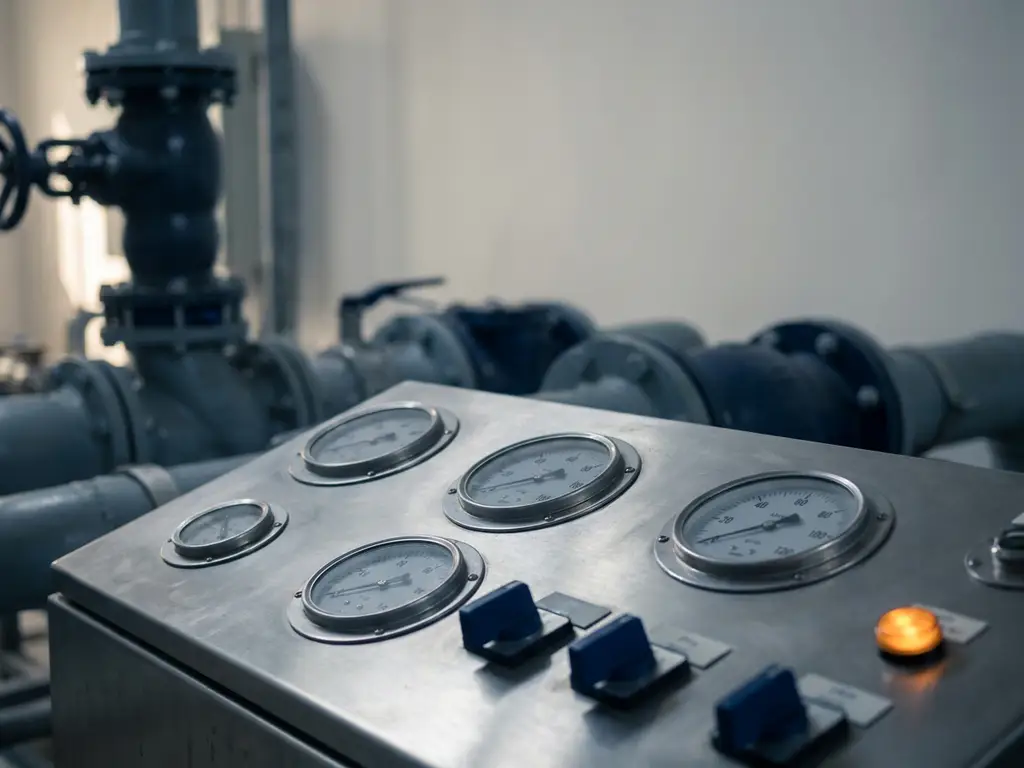


Industrial automation offers diverse career paths ranging from entry-level technician positions to senior engineering roles. The field encompasses specialisations in process control, system integration, and project management across the chemical, energy, and manufacturing industries. Career opportunities continue to expand as companies increasingly adopt automated systems to improve efficiency and maintain competitive advantages in global markets.
What career paths are available in industrial automation?
Industrial automation careers span multiple levels and specialisations, from automation technicians who maintain and troubleshoot systems to senior automation engineers who design complex control solutions. Entry-level positions include maintenance technicians, control room operators, and junior programmers who work with PLCs and SCADA systems.
Mid-level careers encompass automation engineers, system integrators, and project coordinators who design and implement automated processes. These professionals often specialise in specific technologies such as process control systems, robotics, or manufacturing execution systems (MES).
Senior positions include automation managers, principal engineers, and technical consultants who oversee large-scale projects and strategic automation initiatives. Leadership roles such as plant managers and operations directors require both technical expertise and business acumen to drive organisational automation strategies.
Specialisation opportunities exist in areas such as cybersecurity for industrial systems, data analytics, artificial intelligence integration, and regulatory compliance. Many professionals also transition into sales engineering, technical training, or consulting roles within automation companies.
What skills and qualifications do you need for automation careers?
Essential technical skills include PLC programming using languages such as ladder logic, structured text, and function block diagrams. Proficiency with major automation platforms such as Siemens, Allen-Bradley, or Schneider Electric systems forms the foundation for most automation roles.
Educational requirements typically include an engineering degree in electrical, mechanical, or control systems engineering. Technical diplomas in automation technology, mechatronics, or industrial electronics provide alternative pathways into the field.
Key programming skills encompass HMI development, SCADA configuration, and database management. Understanding networking protocols, industrial communications, and cybersecurity principles is increasingly important as systems become more connected.
Soft skills include problem-solving abilities, attention to detail, and strong communication skills for collaborating with multidisciplinary teams. Project management capabilities and the ability to work under pressure during system commissioning or emergency repairs are highly valued.
Industry certifications from automation vendors, safety certifications such as functional safety (SIL), and continuous learning through professional development courses enhance career prospects and earning potential.
How much can you earn in industrial automation careers?
Automation technicians typically earn between £25,000 and £40,000 annually, while experienced automation engineers command salaries of £40,000 to £70,000, depending on specialisation and location. Senior positions and management roles often exceed £80,000, with additional benefits and performance bonuses.
Factors influencing compensation include industry sector, with oil and gas, pharmaceuticals, and chemical processing typically offering higher salaries than food and beverage or general manufacturing. Geographic location significantly impacts earnings, with industrial centres and offshore positions commanding premium rates.
Specialised skills in emerging technologies such as artificial intelligence, advanced process control, or cybersecurity can add £5,000 to £15,000 to base salaries. Professional certifications and vendor-specific expertise often result in salary premiums and faster career progression.
Career advancement opportunities include moving into project management, technical sales, or consulting roles, which can significantly increase earning potential. Many professionals also pursue contract work or start their own consulting firms after gaining substantial experience.
Additional compensation often includes overtime pay for commissioning work, travel allowances, and performance-based bonuses tied to project success or plant efficiency improvements.
What industries offer the best automation career opportunities?
The chemical and petrochemical industries provide excellent automation career prospects due to their reliance on complex process control systems and continuous production requirements. These sectors offer opportunities to work with advanced distributed control systems (DCS) and safety instrumented systems (SIS).
Food and beverage manufacturing presents growing opportunities as companies modernise production lines and implement traceability systems. This sector values professionals who understand both automation technology and regulatory compliance requirements.
Energy-sector opportunities span traditional power generation, renewable energy systems, and smart grid technologies. The transition to sustainable energy creates demand for automation professionals with expertise in wind, solar, and energy storage systems.
The pharmaceutical and biotechnology industries offer high-value careers due to stringent regulatory requirements and the need for validated automated systems. These roles often command premium salaries and provide exposure to cutting-edge manufacturing technologies.
Water treatment, mining, and automotive manufacturing also provide stable career opportunities with good growth potential. Each industry offers unique technical challenges and specialisation opportunities for automation professionals.
How do you get started in an industrial automation career?
Begin with relevant education through an engineering degree, technical diploma, or apprenticeship programme focusing on electrical systems or automation technology. Many universities and technical colleges offer specialised automation engineering programmes with hands-on laboratory experience.
Seek entry-level positions as maintenance technicians, junior engineers, or automation trainees within manufacturing companies. These roles provide practical experience with industrial equipment and exposure to different automation technologies.
Gain hands-on experience through internships, co-operative education programmes, or graduate trainee schemes offered by automation companies or industrial manufacturers. These opportunities often lead to permanent positions and provide valuable industry connections.
Develop practical skills through online courses, vendor training programmes, and certification courses in specific automation platforms. Many automation suppliers offer free training resources and simulation software for learning purposes.
Build a portfolio showcasing automation projects, programming examples, and technical knowledge. Participate in industry events, join professional associations, and network with experienced automation professionals to learn about job opportunities and industry trends.
Hoe CoNet helpt bij carrièremogelijkheden in industriële automatisering
We support career development in industrial automation through our expertise as a leading Siemens specialist, offering professionals opportunities to work with cutting-edge automation technologies across diverse industrial sectors. Our team members gain extensive experience with Siemens PCS 7 process automation systems, COMOS engineering software, and digital grid technologies.
Our comprehensive project involvement provides career development opportunities, including:
- Hands-on experience with advanced process control systems in the chemical, food and beverage, and energy sectors
- Training and certification opportunities in Siemens automation platforms and safety systems
- Exposure to complex engineering projects requiring 40,000 to 50,000 hours annually
- Collaboration with international teams on innovative automation solutions
- Professional development through our certified partnerships and specialist designations
Whether you are starting your automation career or seeking to advance your expertise, we offer a dynamic environment where technical professionals can grow their skills while contributing to industry-leading automation projects. Contact us to explore career opportunities and discover how your automation expertise can contribute to our continued success in industrial process optimisation.