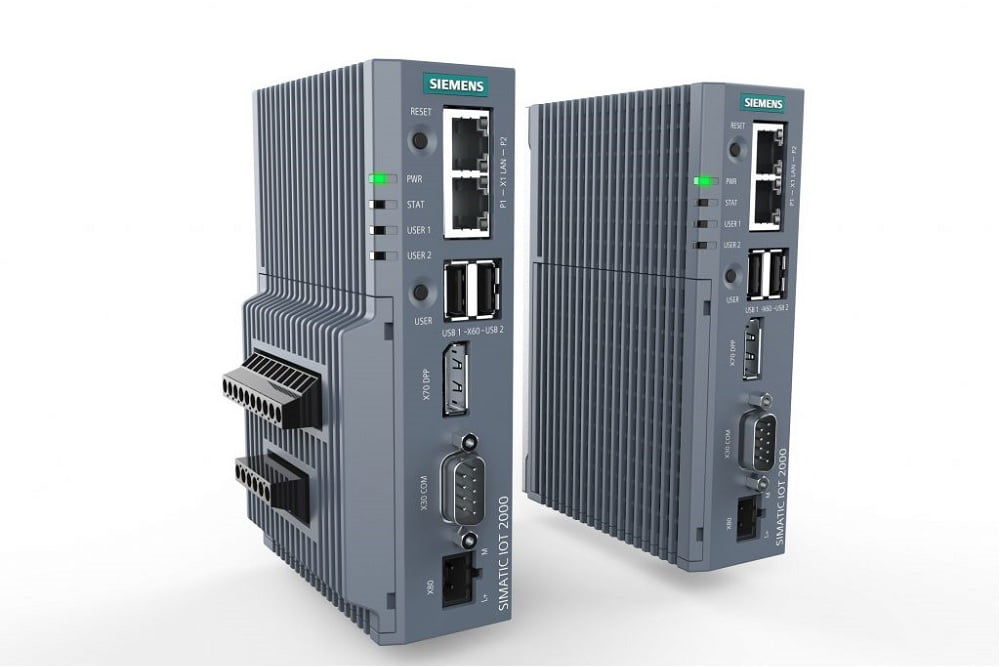

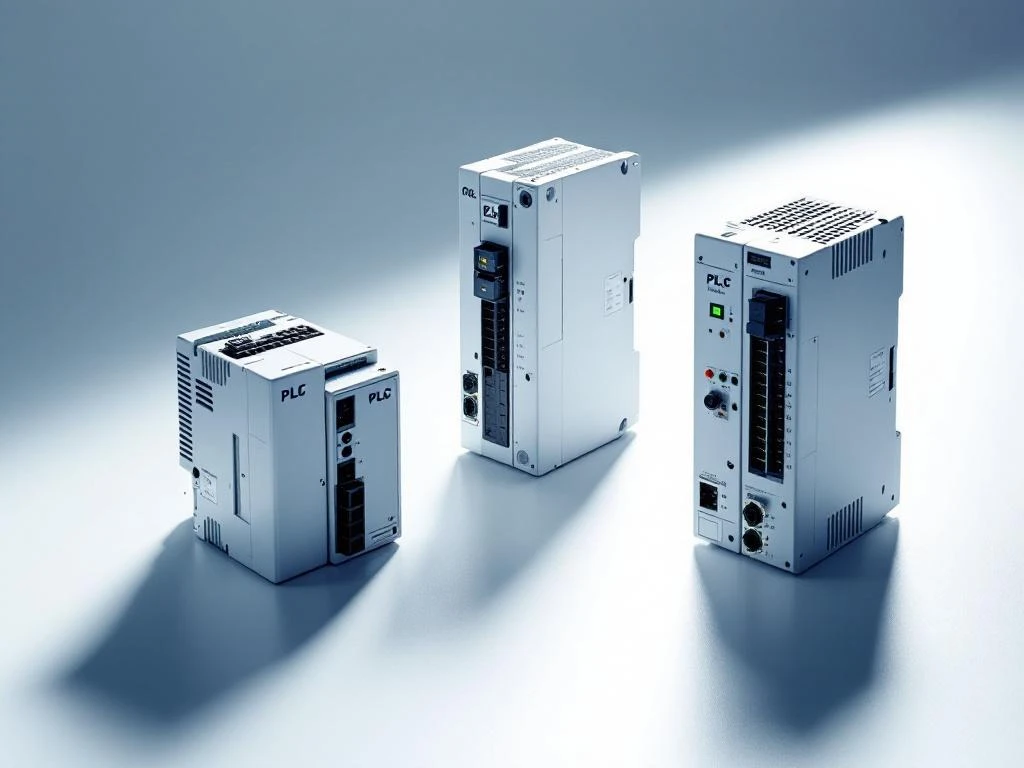
The three types of PLC are compact PLCs, modular PLCs, and rack-mounted PLCs. Compact PLCs integrate all components into a single unit, making them ideal for smaller applications. Modular PLCs offer expandable configurations with separate modules for different functions. Rack-mounted PLCs provide maximum flexibility and scalability for complex industrial automation systems requiring extensive input/output capabilities.
What exactly is a PLC and why are there different types?
A Programmable Logic Controller (PLC) is a digital computer designed for industrial automation that controls manufacturing processes, machinery, and equipment. PLCs replace traditional relay-based control systems by offering programmable flexibility, reliable operation in harsh environments, and real-time process control capabilities.
Different PLC types exist because industrial applications vary dramatically in complexity, scale, and requirements. A small packaging machine needs different capabilities from a large chemical processing plant. Factors such as the number of input/output points, environmental conditions, expansion requirements, and budget constraints determine which PLC architecture works best for each application.
The three main categories evolved to address specific industrial needs. Compact units serve straightforward applications with limited I/O requirements. Modular systems accommodate growing operations that need flexibility. Rack-mounted configurations handle complex processes requiring extensive connectivity and advanced control capabilities. This variety ensures optimal performance and cost-effectiveness across diverse automation scenarios.
What are the three main categories of PLCs used in industry?
The three main PLC categories are compact PLCs, modular PLCs, and rack-mounted PLCs. Each type serves different industrial automation needs based on complexity, scalability requirements, and application scope. Understanding these categories helps in selecting the most suitable solution for specific process automation challenges.
Compact PLCs integrate the processor, power supply, and I/O modules into a single housing. They typically handle 8–256 I/O points and work well for straightforward applications like conveyor systems, small packaging equipment, or basic machine control. Their main advantages include lower cost, simple installation, and minimal space requirements.
Modular PLCs feature separate modules for different functions, allowing customised configurations. The processor, I/O modules, communication interfaces, and power supplies connect via a backplane or bus system. This design supports 50–2,000 I/O points and enables future expansion without replacing the entire system.
Rack-mounted PLCs offer maximum flexibility with multiple racks housing various modules. These systems handle thousands of I/O points and support complex process control, data acquisition, and communication requirements. They excel in large manufacturing facilities, chemical plants, and distributed control applications where extensive connectivity and redundancy are essential.
How do you choose the right PLC type for your application?
Choose your PLC type by evaluating I/O requirements, expansion needs, environmental conditions, and budget constraints. Start by counting current and future input/output points, then consider factors such as communication protocols, processing speed, and maintenance accessibility. This systematic approach ensures optimal performance and long-term value.
Begin with your I/O count assessment. Applications requiring fewer than 100 I/O points often work well with compact PLCs. Medium-scale operations needing 100–500 points typically benefit from modular systems. Large processes exceeding 500 I/O points usually require rack-mounted configurations for adequate capacity and performance.
Consider expansion requirements carefully. If you anticipate adding equipment, sensors, or control functions within five years, modular or rack-mounted systems provide better long-term value despite higher initial costs. Compact PLCs work best when expansion needs are minimal or well defined.
Environmental factors influence PLC selection significantly. Harsh conditions with extreme temperatures, vibration, or chemical exposure may require ruggedised compact units or distributed I/O systems. Clean environments allow more flexibility in choosing between types based primarily on functional requirements.
We help clients evaluate these factors through comprehensive process automation assessments, ensuring that the selected PLC type aligns with both current needs and future growth plans while optimising operational efficiency.
What are the key differences between compact and modular PLCs?
Compact PLCs integrate all components into one unit with fixed I/O capacity, while modular PLCs use separate interconnected modules, allowing flexible configuration and expansion. Compact systems offer simplicity and lower costs for smaller applications. Modular systems provide scalability and customisation for growing operations requiring adaptable automation solutions.
Flexibility represents the most significant difference. Compact PLCs have predetermined I/O configurations that cannot be changed after purchase. If you need additional inputs or outputs, you must replace the entire unit or add external expansion modules. Modular PLCs allow you to add, remove, or change modules as requirements evolve.
Cost implications vary by application scale. Compact PLCs have lower upfront costs for small systems but become expensive per I/O point in larger applications. Modular systems require higher initial investment but offer better cost efficiency as system size increases and provide long-term value through expandability.
Maintenance requirements differ substantially. Compact PLCs typically require complete unit replacement if internal components fail, although their simpler design often means fewer failure points. Modular systems allow replacement of individual modules while keeping the rest operational, reducing downtime but requiring more technical knowledge for troubleshooting.
Installation and commissioning also vary. Compact PLCs offer plug-and-play simplicity with minimal configuration requirements. Modular systems need more planning and setup time but provide greater control over system architecture and performance optimisation for specific industrial processes.