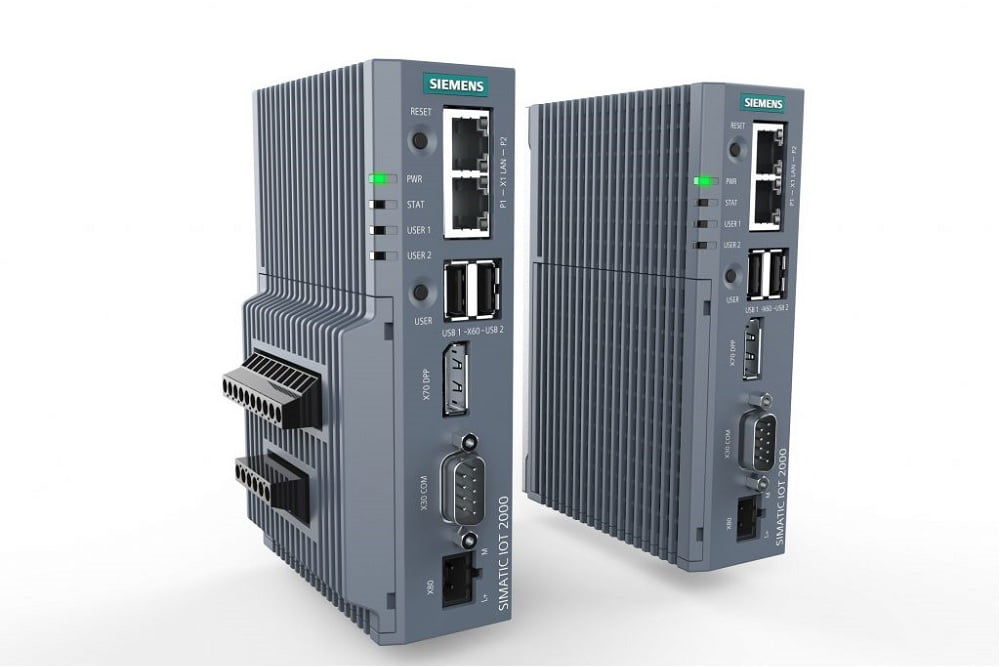


PLC programming is used to control and automate industrial processes through programmable logic controllers that act as the brain of manufacturing systems. These systems manage everything from production lines and safety protocols to quality control and equipment coordination. PLC programming enables precise control of machinery, reduces human error, and improves operational efficiency across diverse manufacturing environments.
What exactly is PLC programming and how does it work?
PLC programming involves creating instructions for programmable logic controllers to automate industrial processes and equipment. These digital computers receive input signals from sensors, process the information according to programmed logic, and send output commands to control motors, valves, lights, and other devices throughout manufacturing facilities.
The fundamental components of a PLC system include input modules that receive signals from field devices, a central processing unit that executes the programmed logic, output modules that send control signals to actuators, and a power supply. The programming typically uses ladder logic, which resembles electrical relay circuits and makes it intuitive for technicians familiar with traditional control systems.
Modern PLCs communicate through various protocols and can integrate with human-machine interfaces (HMIs), supervisory control and data acquisition (SCADA) systems, and manufacturing execution systems (MES). This connectivity allows for comprehensive monitoring and control of entire production processes from centralized locations.
What are the main applications of PLC programming in manufacturing?
PLC programming serves multiple critical functions in manufacturing, including process control, safety system management, material handling automation, quality control monitoring, and integration with broader plant management systems. These applications span from simple machine control to complex multi-stage production processes requiring precise coordination.
Process control represents the most common application, where PLCs manage temperature, pressure, flow rates, and timing across production lines. Safety systems rely heavily on PLC programming to implement emergency stops, lockout procedures, and hazard monitoring that protect both equipment and personnel.
Material handling systems use PLC programming to control conveyor belts, robotic arms, sorting mechanisms, and packaging equipment. Quality control applications include automated inspection systems, measurement verification, and rejection of nonconforming products. Integration capabilities allow PLCs to communicate production data to higher-level systems for inventory management, scheduling, and performance analysis.
How does PLC programming improve efficiency in industrial operations?
PLC programming improves industrial efficiency by reducing downtime through predictive maintenance capabilities, increasing precision in manufacturing processes, enhancing safety protocols, enabling real-time monitoring, and optimizing resource utilization. These systems operate continuously without fatigue and respond to changing conditions faster than manual control methods.
Automated systems eliminate human error in repetitive tasks while maintaining consistent quality standards. Real-time monitoring capabilities allow operators to identify and address issues before they cause significant production disruptions. PLCs can adjust process parameters automatically based on feedback from sensors, maintaining optimal operating conditions without constant human intervention.
The precision offered by PLC programming reduces material waste and energy consumption while improving product quality. Advanced diagnostics help maintenance teams identify potential equipment failures early, allowing for scheduled maintenance rather than unexpected breakdowns that halt production.
What industries rely most heavily on PLC programming systems?
Chemical processing, food and beverage production, oil and gas operations, automotive manufacturing, and energy management sectors depend most heavily on PLC programming systems. These industries require precise control of complex processes where safety, quality, and efficiency are paramount concerns.
Chemical processing facilities use PLCs to manage reactor temperatures, mixing processes, and safety interlocks that prevent dangerous reactions. Food and beverage operations rely on PLC systems for packaging lines, pasteurization processes, and maintaining sanitary conditions throughout production.
Oil and gas operations utilize PLC programming for pipeline monitoring, refinery processes, and safety shutdown systems. Automotive manufacturing depends on PLCs for assembly line coordination, robotic welding systems, and quality testing procedures. Energy management applications include power generation control, distribution automation, and renewable energy system integration.
How do you choose the right PLC programming approach for your facility?
Choosing the right PLC programming approach depends on facility size, process complexity, integration requirements, safety standards, and long-term scalability needs. Consider factors such as the number of input/output points, communication protocols required, environmental conditions, and available technical expertise within your organization.
Smaller facilities with straightforward processes may benefit from compact PLCs with basic programming capabilities, while complex operations require modular systems with advanced features. Integration requirements determine the communication protocols and networking capabilities needed to connect with existing systems.
Safety-critical applications demand PLCs certified for functional safety standards, while standard manufacturing processes can use general-purpose controllers. Consider future expansion plans when selecting hardware platforms and programming software to ensure systems can grow with your operations. We specialize in developing scalable process automation solutions that adapt to evolving manufacturing requirements while maintaining optimal performance and reliability.
Selecting appropriate PLC programming strategies requires careful evaluation of current needs and future growth potential. Professional assessment helps identify the most suitable approach for your specific operational requirements while ensuring compliance with industry standards and safety regulations.