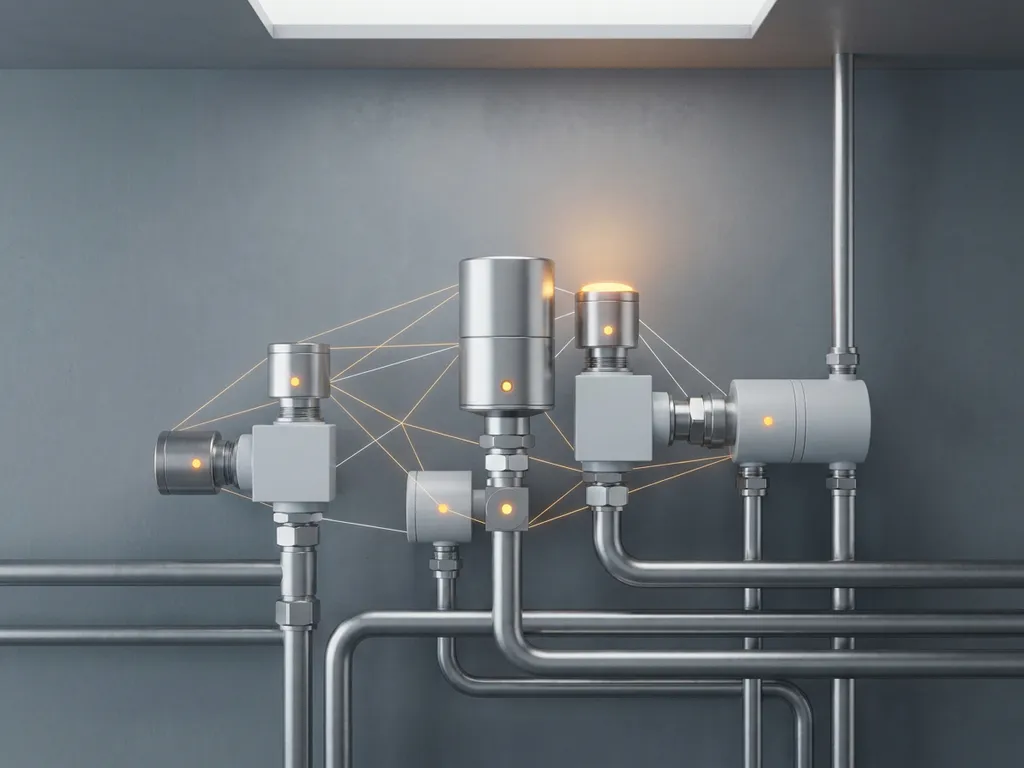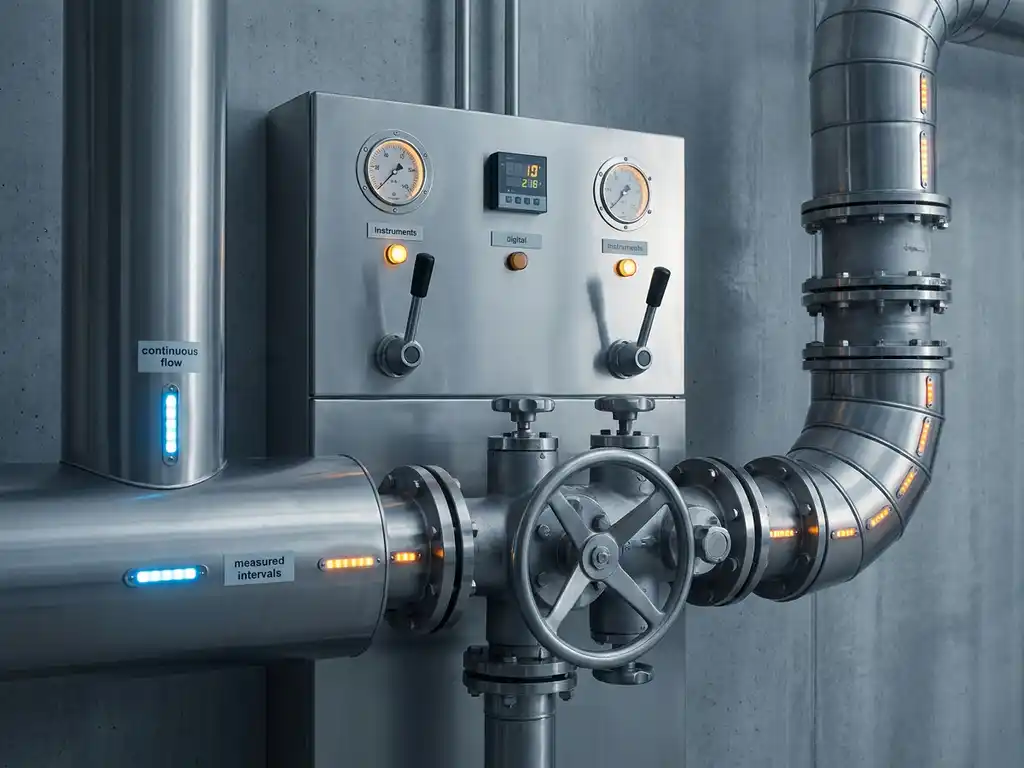

Programmable Logic Controllers (PLCs) require multiple layers of encryption to protect industrial networks from cyber threats. Modern PLC security relies on TLS/SSL protocols, VPN connections, certificate-based authentication, and network segmentation to provide comprehensive protection. These encryption methods work together to safeguard critical industrial processes while maintaining operational efficiency and system reliability.
What are the main encryption protocols used in PLC networks?
PLC networks primarily use TLS/SSL encryption, IPsec protocols, and proprietary industrial communication standards to secure data transmission. TLS (Transport Layer Security) provides encrypted communication channels between devices, while IPsec secures network-layer communications. Many industrial protocols now incorporate built-in encryption features specifically designed for process control environments.
Symmetric encryption methods are commonly employed for real-time PLC communications due to their speed and efficiency. These systems use the same key for both encryption and decryption, making them ideal for time-sensitive industrial processes. Asymmetric encryption, while slower, plays a crucial role in secure key exchange and device authentication during initial connections.
Industrial protocols like PROFINET, EtherNet/IP, and Modbus TCP now include security extensions that implement encryption at the application layer. These protocols address the unique requirements of industrial environments, including deterministic timing and reliability constraints that standard IT security protocols might not adequately cover.
How does VPN technology secure PLC communication channels?
Virtual Private Networks (VPNs) create encrypted tunnels between PLC networks and remote access points, ensuring secure communication across public networks. Site-to-site VPNs connect multiple industrial facilities, while remote access VPNs allow engineers and operators to securely monitor and control systems from external locations.
Industrial VPN implementations typically use IPsec or SSL/TLS protocols to establish secure connections. Site-to-site configurations create permanent encrypted links between facilities, enabling secure data sharing and centralised monitoring. Remote access solutions provide temporary encrypted connections for maintenance personnel, system integrators, and support teams.
VPN integration with existing control systems requires careful consideration of network topology and performance requirements. Many industrial VPN solutions include features such as automatic failover, bandwidth management, and protocol optimisation to maintain system responsiveness while providing robust security.
What role does certificate-based authentication play in PLC security?
Digital certificates provide strong device authentication and secure key management for PLC networks through Public Key Infrastructure (PKI) systems. Certificates verify device identity before allowing network access, preventing unauthorised equipment from connecting to critical control systems.
PKI implementation in industrial environments involves issuing unique certificates to each PLC, HMI, and engineering workstation. These certificates contain cryptographic keys and device identification information, enabling secure authentication and the establishment of encrypted communication. Certificate authorities manage the entire lifecycle, including issuance, renewal, and revocation.
Certificate management in industrial settings requires robust procedures for secure storage, regular renewal, and emergency revocation. Many organisations implement automated certificate management systems that handle routine maintenance while providing alerts for expiring or compromised certificates. Proper certificate backup and recovery procedures ensure system availability during certificate-related issues.
How effective is network segmentation for protecting PLC systems?
Network segmentation creates isolated security zones that prevent unauthorised access between corporate IT networks and operational technology systems. This approach significantly reduces the attack surface by limiting potential pathways for cyber threats to reach critical control systems.
VLAN (Virtual Local Area Network) implementation allows logical separation of different system types while maintaining necessary communication pathways. Industrial firewalls provide deep packet inspection and protocol-aware filtering specifically designed for industrial communications. These firewalls understand industrial protocols and can detect anomalous behaviour that might indicate security threats.
Effective segmentation strategies typically implement multiple security zones: corporate networks, manufacturing execution systems (MES), supervisory control networks, and field device networks. Each zone has specific security policies and controlled access points, creating multiple barriers that attackers must overcome to reach critical systems.
What are the key challenges when implementing encryption in existing PLC networks?
Legacy system compatibility represents the primary challenge when implementing encryption in existing PLC networks. Older controllers and communication modules may not support modern encryption protocols, requiring hardware upgrades or protocol conversion devices to maintain security standards.
Performance-related considerations include encryption processing overhead, which can affect real-time system response. Industrial processes often require deterministic timing, and encryption and decryption processes must not interfere with critical control loops. Careful selection of encryption methods and hardware ensures security without compromising operational performance.
Maintenance requirements increase significantly with encrypted systems, requiring specialised knowledge for certificate management, key rotation, and security monitoring. Many organisations need additional training for maintenance personnel and updated procedures for system troubleshooting and emergency access during security system failures.
Brownfield installations present unique challenges, often requiring phased implementation approaches that maintain operational continuity while gradually improving security. Integration strategies may include security gateways, protocol converters, and hybrid architectures that bridge legacy and modern systems.
Hoe CoNet helpt bij PLC-netwerkbeveiliging
We specialise in implementing comprehensive PLC network encryption solutions tailored to industrial environments. Our expertise covers the complete security spectrum, from initial assessment through to ongoing support and maintenance.
Our specialised services include:
- Security assessments and vulnerability analysis for existing PLC networks
- Implementation of Siemens-specific security solutions and protocols
- VPN configuration and certificate management for industrial systems
- Network segmentation design and firewall configuration
- 24/7 monitoring and support for encrypted industrial networks
We understand the unique challenges of securing industrial control systems while maintaining operational reliability. Our team combines deep technical expertise with practical experience in brownfield installations and legacy system integration.
Ready to strengthen your PLC network security? Contact us for a comprehensive security assessment and discover how we can protect your critical industrial systems without compromising performance.