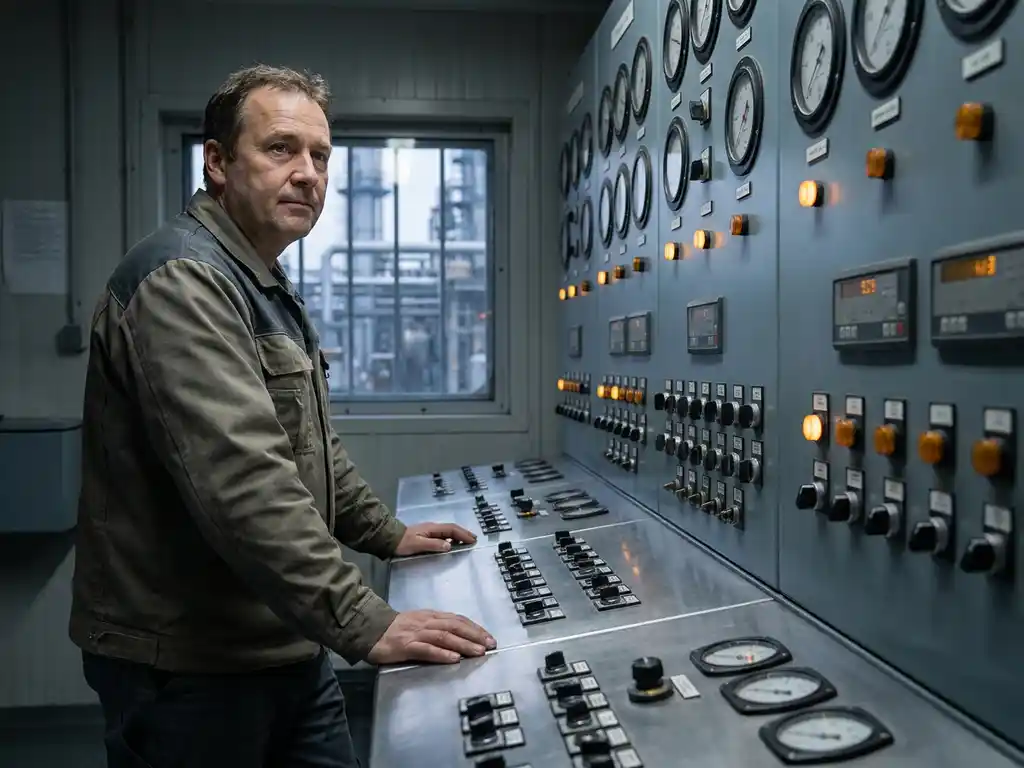

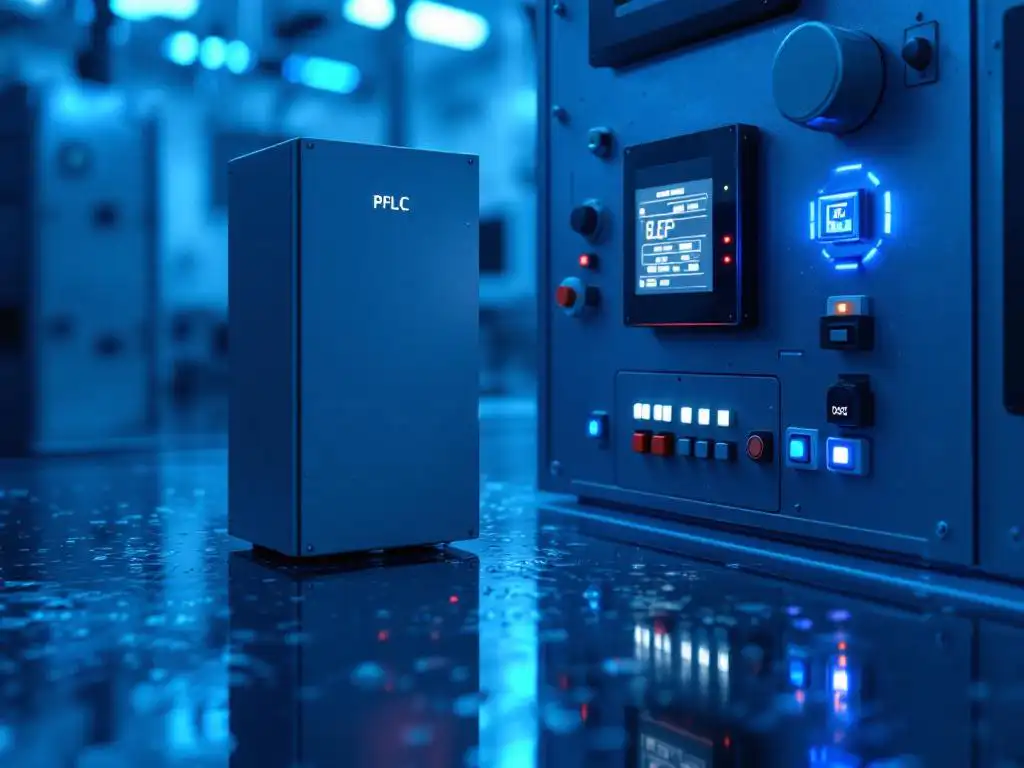
Programmable Logic Controllers (PLCs) are computerised control systems that automate water treatment processes by monitoring sensors, executing programmed logic, and controlling equipment such as pumps and valves. They provide precise, reliable control of critical processes including filtration, chemical dosing, and disinfection. Water treatment facilities depend on PLCs for continuous operation, regulatory compliance, and efficient resource management while maintaining water quality standards.
What are PLCs and why are they essential in water treatment facilities?
Programmable Logic Controllers are industrial computers designed to control automated processes in real-time environments. In water treatment facilities, PLCs serve as the central nervous system that monitors water quality parameters, controls treatment equipment, and ensures consistent operation 24 hours a day.
These robust systems excel in water treatment applications because they can withstand harsh industrial environments while providing the reliability essential for public health protection. PLCs continuously monitor sensors measuring pH levels, turbidity, chlorine residuals, and flow rates, then automatically adjust treatment processes to maintain optimal water quality.
Water treatment facilities require PLCs because manual control of complex treatment processes would be impractical and potentially dangerous. The systems ensure consistent chemical dosing, prevent equipment damage through protective controls, and maintain detailed logs for regulatory compliance. Their ability to respond instantly to changing conditions makes them indispensable for modern water treatment operations.
How do PLCs control different water treatment processes?
PLCs manage multiple treatment processes simultaneously through programmed logic that responds to real-time sensor data. They control filtration systems by monitoring pressure differentials and automatically initiating backwash cycles when filters require cleaning. This prevents clogging and maintains consistent water flow rates.
Chemical dosing represents another critical control area where PLCs excel. The systems automatically adjust chlorine, coagulant, and pH correction chemicals based on incoming water quality and treatment requirements. This precise dosing eliminates waste while ensuring effective treatment.
Pumping systems benefit from PLC control through automated start/stop sequences, speed control for variable frequency drives, and protection against dry running or overload conditions. The controllers also manage disinfection processes by controlling UV lamp intensity or ozone generation based on water flow and quality parameters.
PLCs coordinate these processes through sophisticated programming that considers interdependencies between treatment stages, ensuring optimal performance across the entire facility.
What are the main components of a PLC-based water treatment system?
A comprehensive PLC-based water treatment system consists of several integrated components working together. The PLC processor serves as the central control unit, executing programmed logic and making control decisions based on input data from field sensors measuring parameters such as flow, pressure, temperature, and chemical concentrations.
Input and output modules connect the PLC to field devices, converting sensor signals into digital data and translating control commands into actions for pumps, valves, and other equipment. Human-Machine Interface (HMI) panels provide operators with visual displays of system status, alarm notifications, and manual control capabilities.
Communication networks enable data sharing between multiple PLCs, integration with SCADA systems, and remote monitoring capabilities. These networks often utilise industrial protocols such as Ethernet/IP or Modbus for reliable data transmission in challenging environments.
The system also includes power supplies, surge protection devices, and backup systems to ensure continuous operation during power fluctuations or equipment failures.
What benefits do PLCs provide for water treatment facility operations?
PLCs deliver significant operational advantages through improved process efficiency and reduced operational costs. Automated control eliminates human error in chemical dosing and process timing, resulting in consistent water quality and reduced chemical waste. The systems optimise energy consumption by running equipment only when needed and at optimal operating points.
Safety improvements represent another major benefit, as PLCs can immediately shut down equipment during dangerous conditions and prevent operator exposure to hazardous chemicals. The systems provide comprehensive alarm management and emergency shutdown capabilities that protect both personnel and equipment.
Regulatory compliance becomes more manageable through automatic data logging and report generation. PLCs maintain detailed records of all process parameters, chemical usage, and system events, simplifying compliance reporting and audit processes.
The 24/7 monitoring capabilities enable early detection of equipment problems, allowing preventive maintenance that reduces unexpected failures and extends equipment life. Remote monitoring capabilities also reduce the need for constant on-site supervision while maintaining operational oversight.
What challenges should facilities consider when implementing PLC systems?
Implementation challenges begin with initial investment costs that include hardware, software, programming, and installation expenses. Facilities must budget for system design, commissioning, and integration with existing equipment, which can represent significant capital expenditure.
Staff training requirements present another consideration, as operators need skills in PLC operation, troubleshooting, and maintenance. This may require hiring qualified personnel or investing in comprehensive training programmes for existing staff.
System integration complexity increases when connecting PLCs to legacy equipment or multiple vendor systems. Compatibility issues may require additional hardware or custom programming solutions that extend implementation timelines and costs.
Ongoing maintenance needs include regular software updates, hardware replacement planning, and backup system management. Facilities must also address cybersecurity concerns by implementing network security measures, access controls, and regular security assessments to protect critical infrastructure from potential threats.
Despite these challenges, proper planning and professional implementation support can minimise risks while maximising the long-term benefits of PLC automation.
How CoNet supports water treatment automation
We specialise in Siemens PCS 7 process automation systems specifically designed for water treatment applications. Our expertise covers the complete project lifecycle, from initial design and engineering through implementation and ongoing maintenance support.
Our comprehensive services include:
- System design and engineering tailored to specific water treatment requirements
- PCS 7 programming and configuration for optimal process control
- Integration with existing infrastructure and legacy systems
- Operator training and documentation development
- 24/7 maintenance support and system optimisation
As a certified Siemens PCS 7 Process Safety Specialist, we ensure your water treatment automation meets the highest safety and reliability standards. Our single-brand Siemens strategy means you have one trusted partner for all automation needs.
Ready to optimise your water treatment facility with proven automation solutions? Contact us to discuss your specific requirements and discover how our expertise can improve your operations.