
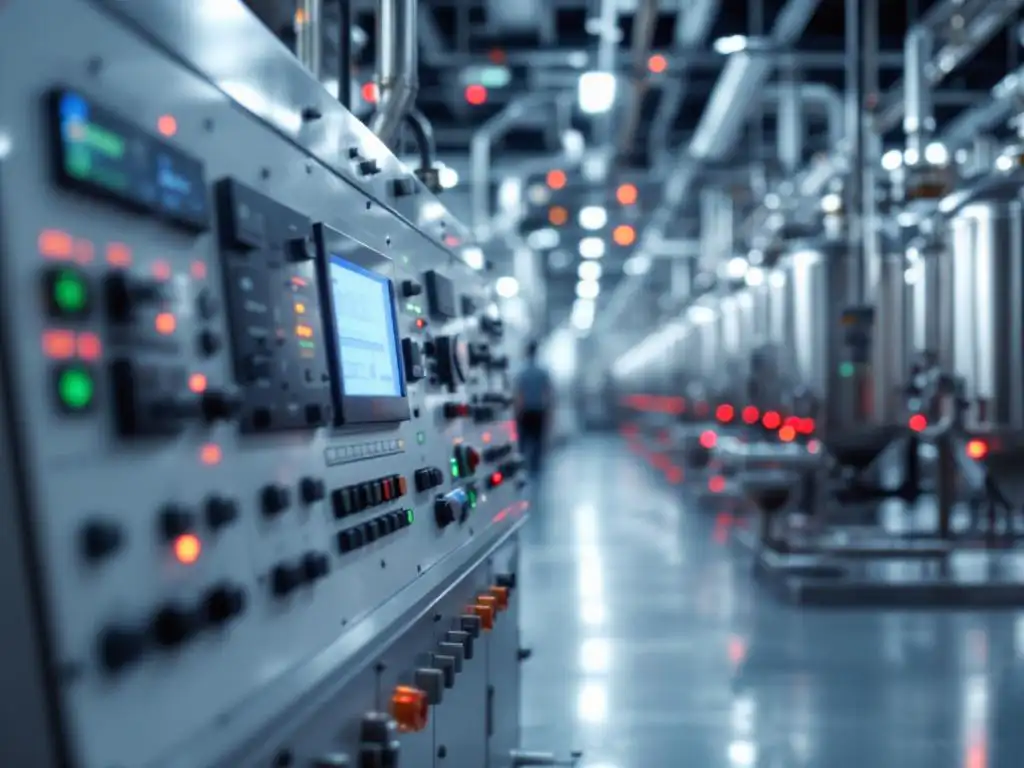
Programmable Logic Controllers (PLCs) transform chemical processing plants by automating complex operations, ensuring safety compliance, and optimizing production efficiency. These industrial computers manage everything from temperature control to emergency shutdowns, providing precise monitoring and control of chemical processes. PLCs reduce human error, improve product quality, and enable real-time data collection for better decision-making in demanding chemical manufacturing environments.
What are PLCs and why are they essential in chemical processing plants?
Programmable Logic Controllers are specialized industrial computers designed to control manufacturing processes, machinery, and equipment in harsh industrial environments. In chemical processing plants, PLCs serve as the digital brain that manages complex operations, monitors safety protocols, and collects critical process data around the clock.
Chemical manufacturing demands precise control over variables like temperature, pressure, flow rates, and chemical compositions. PLCs excel in these environments because they can process thousands of inputs and outputs simultaneously while maintaining consistent performance in extreme conditions. They handle everything from simple valve operations to complex batch sequencing and recipe management.
The essential nature of PLCs in chemical processing stems from their ability to integrate multiple control functions into a single, reliable system. They coordinate between different process areas, manage safety interlocks, and provide the foundation for advanced process control strategies that manual operations simply cannot achieve.
How do PLCs improve safety and compliance in chemical manufacturing?
PLCs enhance safety through integrated emergency shutdown systems, continuous hazardous area monitoring, and automated compliance reporting. They implement fail-safe mechanisms that immediately respond to dangerous conditions, preventing accidents before they occur while maintaining detailed records for regulatory authorities.
Safety instrumented systems (SIS) work alongside PLCs to create multiple layers of protection. When PLCs detect abnormal conditions such as excessive pressure, temperature deviations, or gas leaks, they automatically initiate predetermined safety responses. These might include isolating equipment, activating emergency ventilation, or shutting down entire process sections.
Compliance automation represents another crucial benefit. PLCs continuously monitor process parameters against regulatory limits, automatically generating reports and maintaining audit trails. This eliminates manual record-keeping errors and ensures consistent documentation for inspections. The systems can also prevent operators from making changes that would violate safety or environmental regulations.
What specific processes can PLCs optimize in chemical plants?
PLCs optimize batch processing operations, continuous flow control, temperature and pressure management, mixing sequences, distillation processes, and quality control procedures. They ensure consistent product quality by maintaining precise control over reaction conditions and automatically adjusting parameters based on real-time feedback.
Batch processing benefits significantly from PLC automation. The systems manage complex recipes with multiple ingredients, controlling addition sequences, reaction times, and temperature profiles with exceptional accuracy. This consistency eliminates batch-to-batch variations that plague manual operations.
Continuous processes like distillation columns rely on PLCs for optimal performance. The controllers maintain proper reflux ratios, monitor tray temperatures, and adjust feed rates to maximize product purity while minimizing energy consumption. Quality control integration allows PLCs to make immediate adjustments based on laboratory results or online analyzers.
Mixing and blending operations showcase PLC precision in managing multiple variables simultaneously. The systems coordinate motor speeds, valve positions, and additive flows to achieve homogeneous products within specified timeframes.
How do modern PLCs integrate with other plant systems and technologies?
Modern PLCs seamlessly connect with Manufacturing Execution Systems (MES), SCADA platforms, historian databases, and ERP systems through standardized communication protocols. They enable Industry 4.0 integration, IoT connectivity, and cloud-based monitoring that transforms raw process data into actionable business intelligence.
SCADA systems provide operators with comprehensive visualization of plant operations, displaying real-time data from PLCs in intuitive graphical interfaces. This integration allows centralized monitoring of multiple process areas and remote operation capabilities that improve efficiency and response times.
Historian databases capture and store vast amounts of process data from PLCs, enabling trend analysis, performance optimization, and predictive maintenance strategies. This historical data becomes invaluable for troubleshooting, process improvement, and regulatory compliance.
ERP integration connects production data with business systems, automatically updating inventory levels, production schedules, and cost accounting based on actual PLC-measured production. This eliminates manual data entry and provides accurate, real-time business information.
What are the key benefits of upgrading to advanced PLC systems in chemical processing?
Advanced PLC systems deliver reduced downtime, enhanced product quality, improved energy efficiency, better regulatory reporting, and predictive maintenance capabilities. These improvements typically generate positive returns on investment within 18–24 months through operational savings and increased production capacity.
Downtime reduction occurs through improved diagnostics and faster fault resolution. Modern PLCs provide detailed error information and remote troubleshooting capabilities that minimize production interruptions. Predictive maintenance features identify potential equipment failures before they occur.
Energy efficiency improvements result from optimized control algorithms that minimize waste while maintaining product quality. Advanced PLCs can implement model predictive control strategies that reduce energy consumption by 10–20% compared to traditional control methods.
Product quality enhancement comes from tighter process control and better repeatability. Advanced PLCs maintain process variables within narrower bands, reducing off-specification production and improving customer satisfaction. Real-time quality monitoring integration enables immediate corrections when deviations occur.
Hoe CoNet helpt bij PLC-optimalisatie in chemische verwerkingsinstallaties
We specialize in Siemens PCS7 process automation solutions specifically designed for chemical processing environments. Our comprehensive services transform chemical plants through expert system design, implementation, maintenance, and ongoing optimization that maximizes operational efficiency and safety performance.
Our chemical industry expertise includes:
- Complete PCS7 system design and engineering tailored to chemical processes
- Safety instrumented system integration and validation
- Advanced process control implementation for improved product quality
- 24/7 maintenance and support services
- Regulatory compliance automation and reporting
- Digital transformation and Industry 4.0 integration
As certified PCS7 Process Safety Specialists, we understand the unique challenges chemical manufacturers face. Our team combines deep technical knowledge with practical experience to deliver solutions that improve safety, increase efficiency, and reduce operational costs.
Ready to optimize your chemical processing operations? Contact our PCS7 specialists to discuss how we can transform your plant’s automation systems and achieve measurable improvements in safety, quality, and productivity.