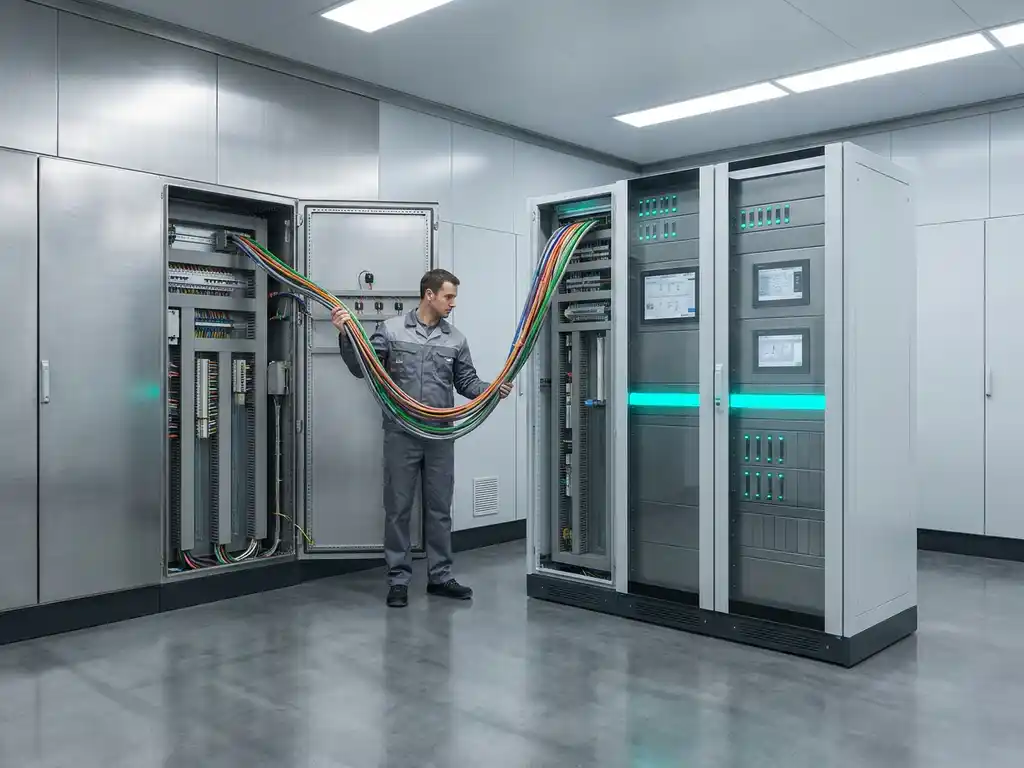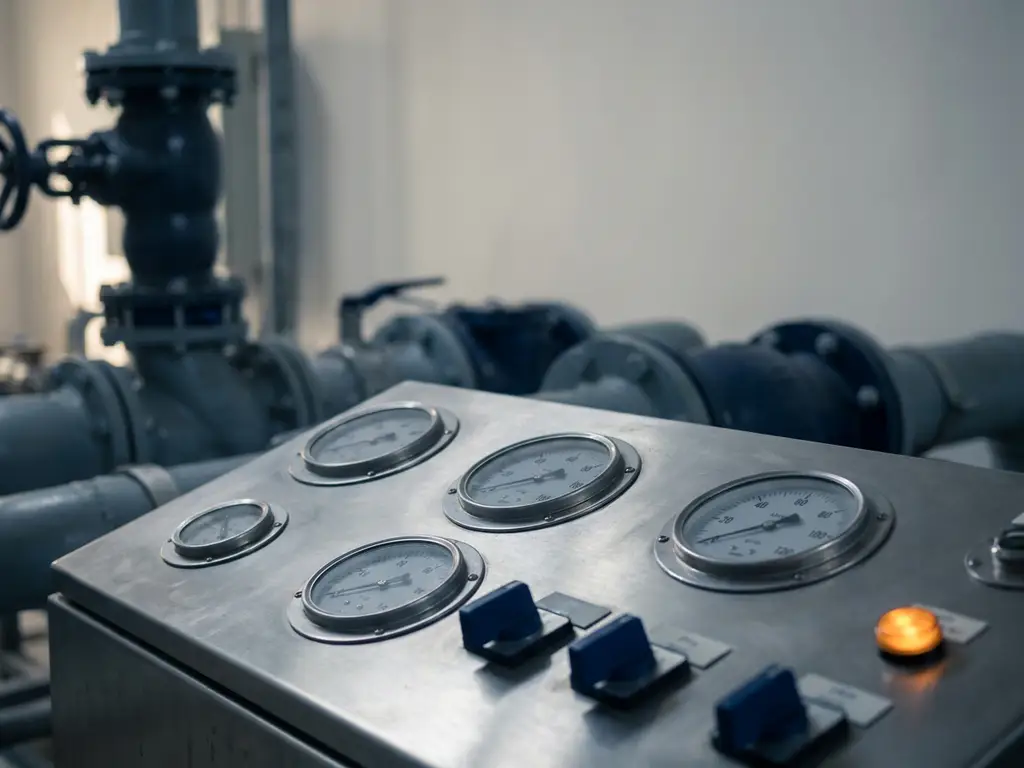


Plant care professionals require a diverse skill set combining technical expertise, problem-solving abilities, and strong communication skills to maintain safe and efficient industrial operations. These professionals must understand complex systems, respond quickly to challenges, and ensure compliance with safety regulations while coordinating effectively with team members and management to keep production running smoothly.
What essential technical skills do plant care professionals need?
Plant care professionals need comprehensive technical skills, including process control systems knowledge, equipment maintenance expertise, safety protocol understanding, and advanced troubleshooting abilities. These core competencies ensure effective plant operations and minimize costly downtime.
Process control systems knowledge forms the foundation of modern plant care. Professionals must understand how automated systems monitor and control production processes, interpret data from sensors and monitoring equipment, and recognize when systems require adjustment or intervention. This includes familiarity with programmable logic controllers (PLCs), distributed control systems (DCS), and human-machine interfaces (HMIs).
Equipment maintenance expertise encompasses both preventive and reactive maintenance strategies. Plant care professionals must understand mechanical systems, electrical components, and instrumentation to perform routine maintenance tasks and identify potential equipment failures before they occur. This knowledge extends to understanding maintenance schedules, lubrication requirements, and component replacement procedures.
Troubleshooting abilities enable professionals to quickly identify and resolve operational issues. This involves systematic diagnostic approaches, understanding cause-and-effect relationships within plant systems, and the ability to use diagnostic tools and testing equipment effectively. Quick and accurate troubleshooting minimizes production interruptions and maintains operational efficiency.
How do you develop problem-solving skills for plant operations?
Developing problem-solving skills for plant operations requires systematic analytical thinking, root cause analysis techniques, and the ability to make critical decisions under pressure. These skills develop through structured learning approaches and practical experience in industrial environments.
Analytical thinking development begins with understanding how to break down complex problems into manageable components. Plant care professionals learn to gather relevant data, identify patterns, and evaluate multiple potential solutions before taking action. This methodical approach prevents hasty decisions that might worsen operational issues.
Root cause analysis techniques help professionals identify the underlying causes of problems rather than just addressing symptoms. Common methodologies include the “5 Whys” technique, fishbone diagrams, and failure mode analysis. These structured approaches ensure that solutions address fundamental issues and prevent recurring problems.
Critical decision-making under pressure develops through experience and training scenarios. Plant care professionals must learn to prioritize safety, assess risks quickly, and choose appropriate responses when facing urgent operational challenges. This includes understanding when to shut down equipment, when to implement temporary solutions, and when to escalate issues to management.
Systematic approaches to problem-solving involve documenting issues, tracking solutions, and sharing knowledge with team members. This creates institutional knowledge that helps the entire team respond more effectively to similar challenges in the future.
What communication skills are crucial for plant management success?
Crucial communication skills for plant management success include team leadership abilities, cross-departmental coordination, clear incident reporting protocols, and effective communication with both technical staff and upper management. These skills ensure smooth operations and proper information flow throughout the organization.
Team leadership abilities involve motivating and directing plant care staff while maintaining clear expectations and accountability. Effective leaders communicate objectives clearly, provide constructive feedback, and create an environment where team members feel comfortable reporting issues or suggesting improvements.
Cross-departmental coordination requires the ability to work effectively with production, quality assurance, maintenance, and safety teams. Plant care professionals must translate technical information for non-technical stakeholders and understand how their work impacts other departments’ objectives.
Incident reporting protocols demand precise and timely communication about safety incidents, equipment failures, or operational disruptions. This includes writing clear reports, conducting effective briefings, and ensuring that relevant information reaches appropriate personnel quickly and accurately.
Communication with upper management requires the ability to summarize complex technical issues, present data effectively, and provide recommendations with supporting rationale. Plant care professionals must balance technical accuracy with accessibility when reporting to executives who may not have detailed technical backgrounds.
How important are safety and compliance skills in plant care?
Safety and compliance skills are absolutely critical in plant care, requiring comprehensive regulatory knowledge, safety protocol implementation capabilities, risk assessment expertise, and maintaining compliance with industry standards and environmental regulations. These skills protect personnel and ensure legal operation.
Regulatory knowledge requirements encompass understanding relevant safety standards, environmental regulations, and industry-specific compliance requirements. Plant care professionals must stay current with changing regulations and understand how these requirements apply to their specific operations and equipment.
Safety protocol implementation involves not only following established procedures but also recognizing when protocols need updating or when situations require additional safety measures. This includes proper use of personal protective equipment, lockout/tagout procedures, and emergency response protocols.
Risk assessment capabilities enable professionals to identify potential hazards, evaluate the likelihood and severity of potential incidents, and implement appropriate control measures. This proactive approach prevents accidents and ensures safe working conditions for all personnel.
Maintaining compliance with industry standards requires ongoing monitoring, documentation, and reporting. Plant care professionals must understand audit requirements, maintain accurate records, and ensure that all activities meet or exceed regulatory standards while supporting continuous improvement initiatives.
Hoe CoNet helpt bij de ontwikkeling van plant care vaardigheden
We support plant care skill development through comprehensive Siemens automation expertise, specialized training programmes, and full-service technical support. Our approach combines technical knowledge with practical application to enhance your team’s capabilities and operational effectiveness.
Our plant care skill development services include:
- Siemens PCS 7 process automation training and certification programmes
- Technical troubleshooting workshops focused on industrial control systems
- Safety protocol development and implementation guidance
- Process optimization consulting and knowledge transfer
- 24/7 technical support for operational challenges
- Customized training programmes tailored to your specific plant requirements
As the leading Siemens specialist in industrial automation, we provide the expertise your team needs to excel in plant care operations. Our comprehensive approach ensures your staff develop both technical competencies and practical problem-solving skills essential for modern industrial environments.
Ready to enhance your team’s plant care capabilities? Contact us to discuss how our training programmes and technical expertise can support your operational excellence goals.