
Preventive plant care is a systematic approach to maintaining industrial equipment before problems occur, rather than waiting for breakdowns to happen. It involves scheduled inspections, routine maintenance tasks, and proactive equipment monitoring to prevent unexpected failures. This strategy reduces downtime, extends equipment life, and improves operational efficiency across industrial facilities.
What is preventive plant care and why is it essential for industrial operations?
Preventive plant care is a maintenance strategy that uses regular, scheduled maintenance activities on equipment before failures occur. It focuses on preventing problems rather than reacting to them after they happen.
The core principles of preventive plant care center around scheduled maintenance intervals based on time, usage, or operating conditions. This approach contrasts sharply with reactive maintenance, where repairs only happen after equipment fails. Reactive maintenance often leads to unexpected downtime, higher repair costs, and potential safety risks.
Industrial operations benefit significantly from preventive plant care through reduced unplanned downtime. When equipment fails unexpectedly, production stops completely until repairs are completed. Preventive maintenance allows facilities to schedule maintenance during planned downtime periods, minimizing production disruption.
Safety improvements represent another critical advantage. Well-maintained equipment operates more reliably and poses fewer risks to personnel. Regular inspections identify potential hazards before they become dangerous situations.
Cost savings emerge from several areas: extended equipment lifespan, reduced emergency repair expenses, lower energy consumption from well-maintained systems, and decreased inventory costs for emergency spare parts.
How does a preventive maintenance schedule actually work in practice?
A preventive maintenance schedule operates through systematic planning that coordinates maintenance tasks with production requirements. It begins with equipment assessment and develops into a comprehensive calendar of maintenance activities.
The process starts with creating an equipment inventory that includes all critical plant assets. Each piece of equipment receives a maintenance plan based on manufacturer recommendations, operating conditions, and historical performance data. Task prioritization ensures critical equipment receives appropriate attention while managing resource allocation efficiently.
Frequency determination involves analyzing several factors: equipment manufacturer guidelines, operating hours or cycles, environmental conditions, and regulatory requirements. High-criticality equipment typically requires more frequent attention than support systems.
Resource allocation considers available maintenance staff, required skills, tool availability, and spare parts inventory. The schedule balances maintenance needs with workforce capacity to ensure tasks can be completed effectively.
Integration with production schedules requires close coordination between maintenance and operations teams. Maintenance activities are planned during scheduled shutdowns, shift changes, or periods of reduced production demand. This coordination minimizes operational disruption while ensuring maintenance tasks receive adequate time for proper completion.
What are the key components of an effective preventive plant care program?
An effective preventive plant care program requires several essential elements working together: a comprehensive equipment inventory, documented procedures, trained personnel, and robust monitoring systems.
Equipment inventory management forms the foundation of any successful program. This involves maintaining detailed records of all plant equipment, including specifications, installation dates, maintenance history, and criticality ratings. Each asset needs a unique identifier and clear documentation of its role in plant operations.
Maintenance procedures documentation ensures consistency and quality in all maintenance activities. Written procedures specify exactly which tasks to perform, required tools and materials, safety precautions, and completion criteria. These documents serve as training materials and quality control references.
Staff training requirements encompass both technical skills and safety procedures. Maintenance personnel need proper training on equipment systems, maintenance techniques, and safety protocols. Regular refresher training keeps skills current as equipment and procedures evolve.
Performance monitoring systems track maintenance effectiveness through key metrics: equipment availability, maintenance costs, failure rates, and safety incidents. These systems provide data for continuous improvement and help identify trends that require attention.
Additional components include spare parts management, work order systems, and regular program reviews to ensure continued effectiveness.
How do you determine the right maintenance intervals for different plant equipment?
Determining optimal maintenance intervals involves analyzing equipment characteristics, operating conditions, manufacturer recommendations, and historical performance data to establish frequencies that balance cost and reliability.
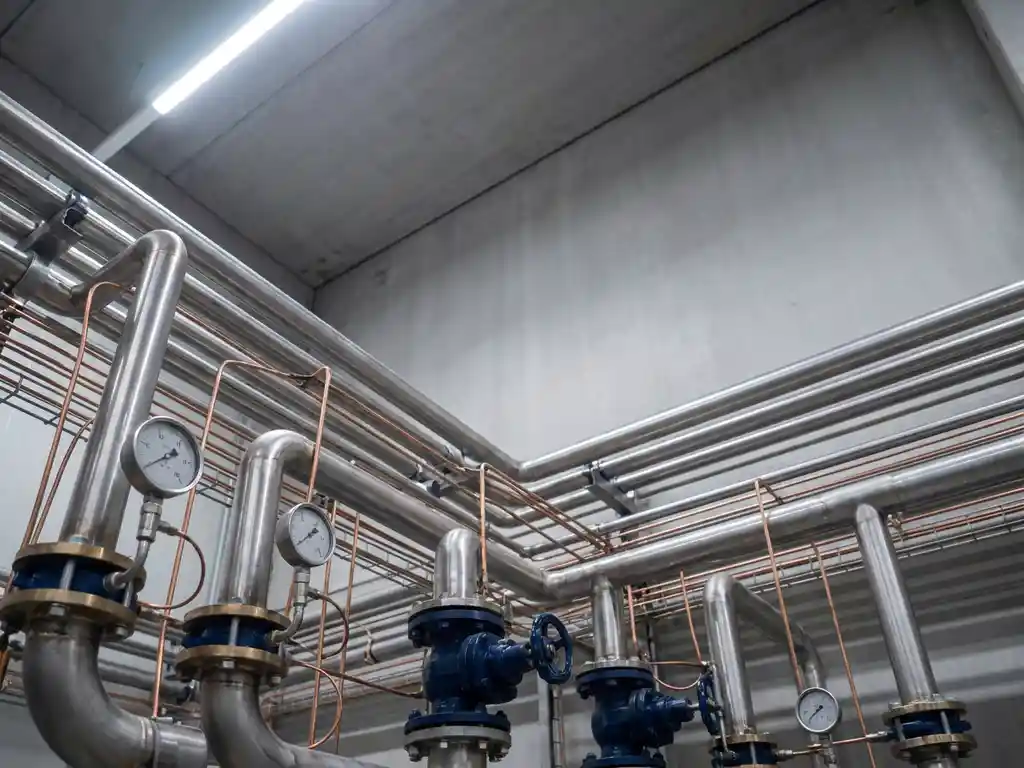
Equipment type significantly influences maintenance frequency. Rotating machinery like pumps and motors typically requires more frequent attention than static equipment like tanks or heat exchangers. High-speed equipment generally needs more frequent maintenance than slow-moving systems.
Operating conditions play a crucial role in interval determination. Equipment operating in harsh environments, high temperatures, or corrosive conditions requires more frequent maintenance than equipment in controlled conditions. Duty cycles and load factors also affect maintenance needs.
Manufacturer recommendations provide baseline guidance for maintenance intervals. These recommendations consider design specifications and expected wear patterns under normal operating conditions. However, actual plant conditions may require adjustments to these baseline intervals.
Historical performance data reveals actual equipment behavior in specific operating environments. Failure analysis, maintenance records, and performance trends help refine maintenance intervals based on real experience rather than theoretical guidelines.
Risk assessment approaches evaluate the consequences of equipment failure against maintenance costs. Critical equipment that could cause safety hazards or major production losses typically receives more frequent maintenance than non-critical systems.
What tools and technologies support modern preventive plant maintenance?
Modern preventive plant maintenance relies on computerized maintenance management systems, condition monitoring technologies, and digital documentation tools that enhance maintenance effectiveness and provide valuable operational insights.
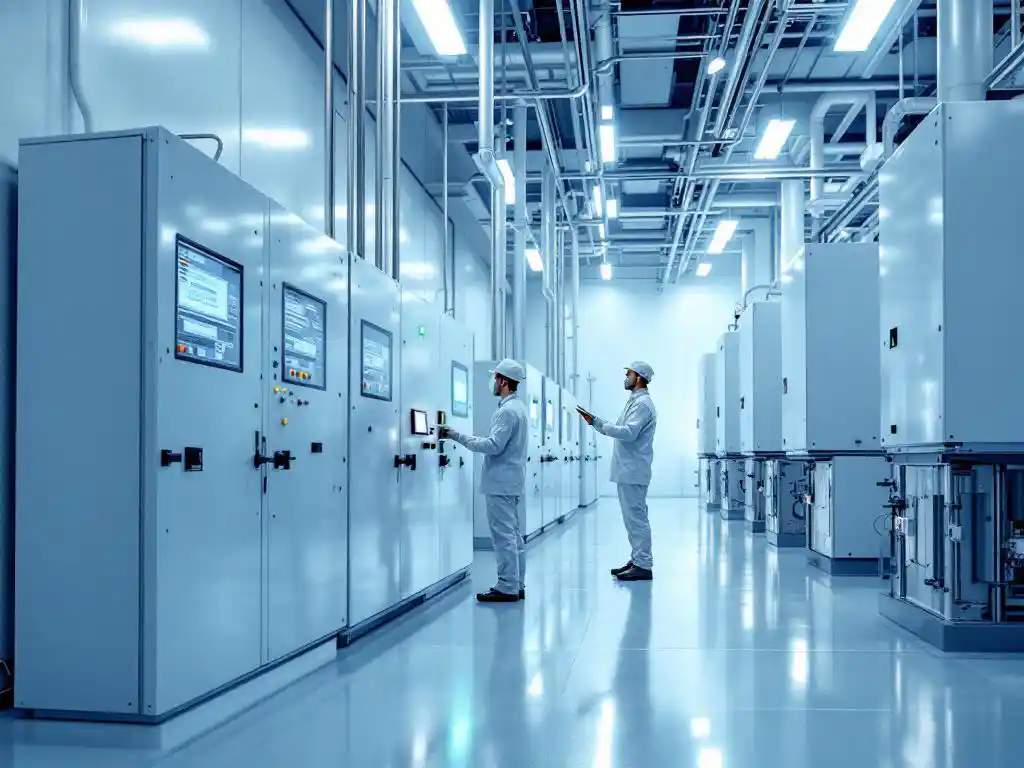
Maintenance management systems serve as the central hub for all maintenance activities. These systems schedule work orders, track maintenance history, manage spare parts inventory, and provide reporting capabilities. They ensure nothing gets overlooked and provide valuable data for decision-making.
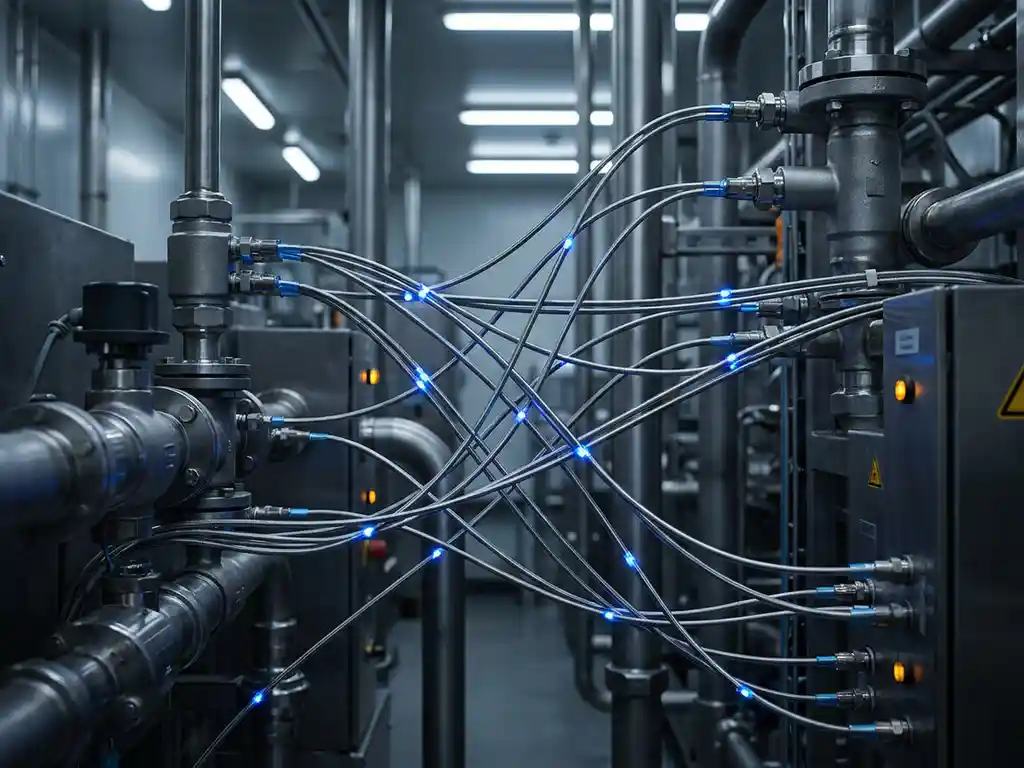
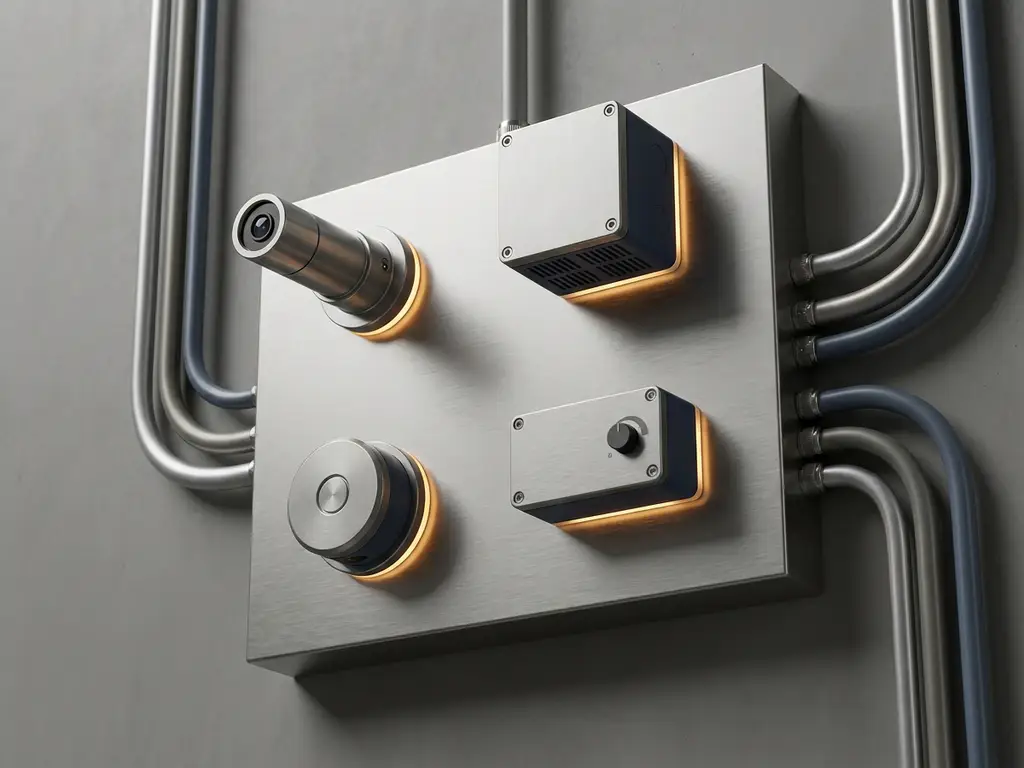
IoT sensors and condition monitoring equipment provide real-time information about equipment health. Vibration monitors, temperature sensors, and oil analysis systems detect developing problems before they cause failures. This technology enables condition-based maintenance strategies that complement time-based preventive maintenance.
Predictive analytics tools analyze data from multiple sources to identify patterns and predict potential failures. These systems help optimize maintenance intervals and identify equipment that may need attention sooner than scheduled.
Digital documentation tools replace paper-based systems with mobile-friendly platforms. Maintenance technicians can access procedures, record completion data, and capture photos directly from mobile devices. This improves data accuracy and speeds up maintenance processes.
Integration with existing plant automation systems allows maintenance systems to access operational data such as running hours, cycle counts, and process conditions. This integration provides more accurate triggers for maintenance activities and a better understanding of equipment performance.
How CoNet helps with preventive plant maintenance optimization
We specialize in implementing comprehensive preventive maintenance programs using advanced Siemens automation solutions that integrate seamlessly with existing plant operations and provide long-term maintenance optimization.
Our approach to preventive plant maintenance optimization includes:
- Complete maintenance program assessment and development using Siemens COMOS for asset management
- Integration of maintenance systems with PCS 7 process automation for real-time equipment monitoring
- Implementation of condition-based maintenance strategies using Siemens digital technologies
- Staff training programs for maintenance procedures and system operation
- Ongoing support and optimization services to ensure continued program effectiveness
We combine our expertise in Siemens automation systems with proven maintenance methodologies to create solutions that reduce downtime, extend equipment life, and improve operational efficiency. Our comprehensive approach covers everything from initial assessment through implementation and ongoing support.
Ready to optimize your preventive maintenance program? Contact us to discuss how our Siemens automation expertise can enhance your plant care strategies and improve operational reliability.