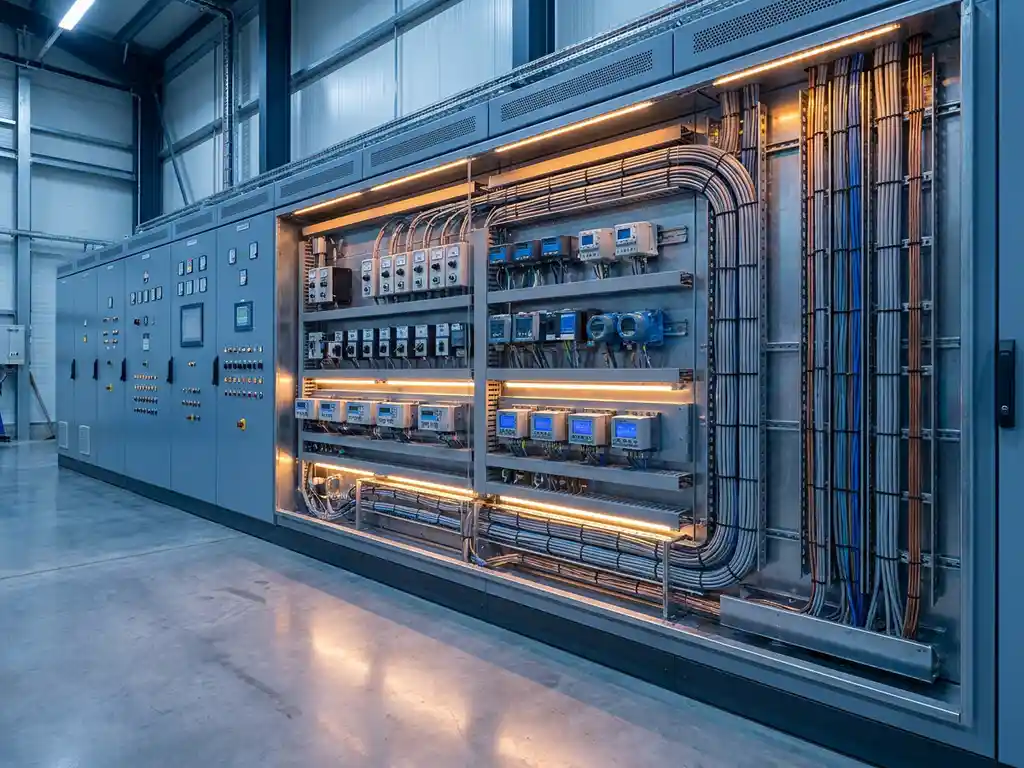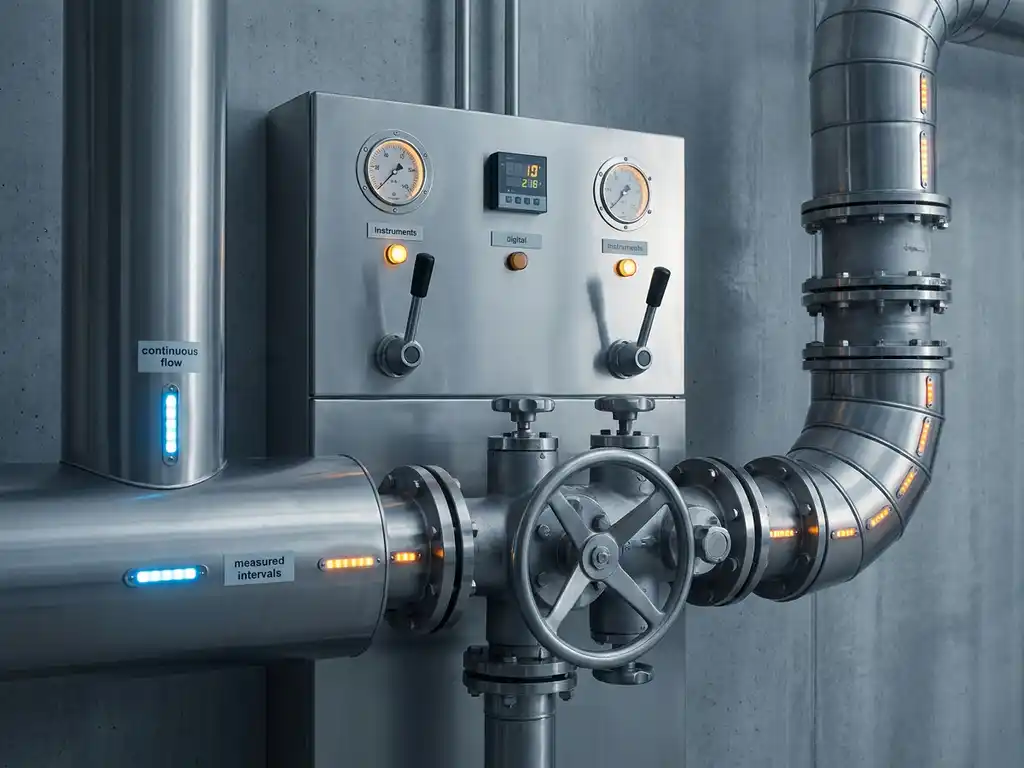


Predictive plant care uses advanced sensors and data analytics to monitor equipment conditions continuously, identifying potential failures before they occur. This proactive approach prevents unexpected breakdowns, reduces maintenance costs, and extends equipment lifespan. Understanding how predictive maintenance works helps industrial operations improve reliability and efficiency.
What is predictive plant maintenance and how does it work?
Predictive plant maintenance is a condition-based maintenance strategy that uses real-time data from sensors and monitoring equipment to predict when machinery might fail. Unlike traditional approaches, it relies on actual equipment condition rather than predetermined schedules.
The system works through strategically placed sensors that continuously monitor critical parameters such as vibration, temperature, pressure, and acoustic emissions. These sensors collect data every few seconds, creating a comprehensive picture of equipment health. Advanced analytics software processes this information, comparing current readings against normal operating ranges and historical patterns.
When the system detects anomalies or trending patterns that indicate potential problems, it generates alerts for maintenance teams. Machine learning algorithms become more accurate over time, learning to distinguish between normal operational variations and genuine warning signs. This enables maintenance teams to schedule repairs during planned downtime rather than responding to emergency failures.
What’s the difference between predictive and preventive maintenance?
Predictive maintenance monitors actual equipment condition to determine maintenance needs, while preventive maintenance follows predetermined schedules regardless of equipment condition. Predictive maintenance is condition-driven, whereas preventive maintenance is time-driven.
Preventive maintenance involves regular inspections and part replacements based on manufacturer recommendations or historical data. This approach often leads to unnecessary maintenance when equipment is still functioning well, or conversely, unexpected failures when problems develop between scheduled maintenance intervals.
Predictive maintenance offers several advantages: it reduces unnecessary maintenance activities, minimizes spare parts inventory, and prevents unexpected downtime. However, it requires higher initial investment in monitoring technology and staff training. Preventive maintenance is simpler to implement and requires less sophisticated technology, but it can be less cost-effective due to over-maintenance or under-maintenance scenarios.
Many successful plant care strategies combine both approaches, using predictive methods for critical equipment and preventive schedules for less critical components.
How does predictive maintenance actually prevent equipment failures?
Predictive maintenance prevents failures by identifying early warning signs through continuous condition monitoring, allowing maintenance teams to address issues before they cause equipment breakdown. The process relies on detecting gradual changes that precede most mechanical failures.
Most equipment failures don’t happen suddenly. Bearings develop increased vibration patterns weeks before failing, motors show temperature increases as insulation degrades, and pumps exhibit pressure variations when seals begin wearing. Predictive systems capture these subtle changes through various monitoring techniques including vibration analysis, thermal imaging, oil analysis, and ultrasonic testing.
When monitoring systems detect concerning trends, they trigger maintenance alerts with specific recommendations. Maintenance teams can then schedule repairs during planned shutdowns, order necessary parts in advance, and prepare appropriate resources. This proactive approach transforms unexpected emergency repairs into planned maintenance activities.
The key lies in establishing baseline readings for healthy equipment and setting appropriate alarm thresholds. As systems learn normal operating patterns, they become increasingly accurate at distinguishing between harmless variations and genuine deterioration signals.
What are the main benefits of implementing predictive plant care?
Implementing predictive plant care delivers significant operational improvements, including reduced unplanned downtime, lower maintenance costs, extended equipment life, improved safety, and enhanced production efficiency. These benefits typically justify the initial investment within 12–18 months.
Reduced downtime represents the most immediate benefit, as predictive maintenance can decrease unplanned outages by 35–45%. This translates directly into increased production capacity and revenue. Maintenance costs often decrease by 20–25% through optimized scheduling, reduced emergency repairs, and elimination of unnecessary maintenance activities.
Equipment lifespan extends significantly when problems are addressed early, before they cause secondary damage to other components. Early intervention prevents minor issues from escalating into major failures that require extensive repairs or complete equipment replacement.
Safety improvements occur naturally as predictive maintenance identifies potential hazards before they manifest. This reduces the risk of catastrophic failures that could endanger personnel or cause environmental incidents. Production efficiency increases through optimized equipment performance and reduced variability in output quality.
Additional benefits include better inventory management, as spare parts can be ordered based on actual need rather than speculation, and improved regulatory compliance through documented maintenance practices and equipment reliability records.
What challenges do companies face when implementing predictive maintenance?
Companies implementing predictive maintenance commonly face challenges including high initial investment costs, staff training requirements, technology integration complexities, and organizational change management. Successful implementation requires careful planning and commitment from leadership.
Initial costs can be substantial, encompassing monitoring equipment, software platforms, data infrastructure, and training programs. Many organizations struggle to justify these upfront expenses, especially when existing maintenance approaches seem adequate. The return on investment becomes clear only after several months of operation.
Staff training represents another significant challenge, as predictive maintenance requires different skills than traditional approaches. Maintenance teams must learn to interpret data, understand trending patterns, and make decisions based on analytical insights rather than experience alone. This transition can meet resistance from experienced technicians comfortable with established methods.
Technology integration often proves more complex than anticipated, particularly in facilities with mixed equipment ages and manufacturers. Connecting legacy systems to modern monitoring platforms requires careful planning and sometimes custom solutions. Data quality and consistency across different systems can create additional complications.
Organizational change management becomes crucial, as predictive maintenance affects workflows, responsibilities, and decision-making processes throughout the operation. Success requires strong leadership support and clear communication about benefits and expectations.
How CoNet helps with predictive maintenance solutions
We specialize in implementing comprehensive predictive maintenance solutions using advanced Siemens technology and process automation expertise. Our approach combines technical excellence with practical implementation support to ensure a successful plant care transformation.
Our predictive maintenance services include:
- Complete system design and sensor integration using Siemens monitoring technologies
- Data analytics platform implementation with customized dashboards and reporting
- Staff training programs covering system operation and data interpretation
- Ongoing technical support and system optimization services
- Integration with existing process control systems and maintenance workflows
As a certified Siemens specialist with extensive experience in industrial automation, we understand the unique challenges of implementing predictive maintenance in complex industrial environments. Our team provides end-to-end support from initial assessment through system commissioning and ongoing optimization.
Ready to explore how predictive maintenance can transform your plant operations? Contact our experts to discuss your specific requirements and discover the potential benefits for your facility.