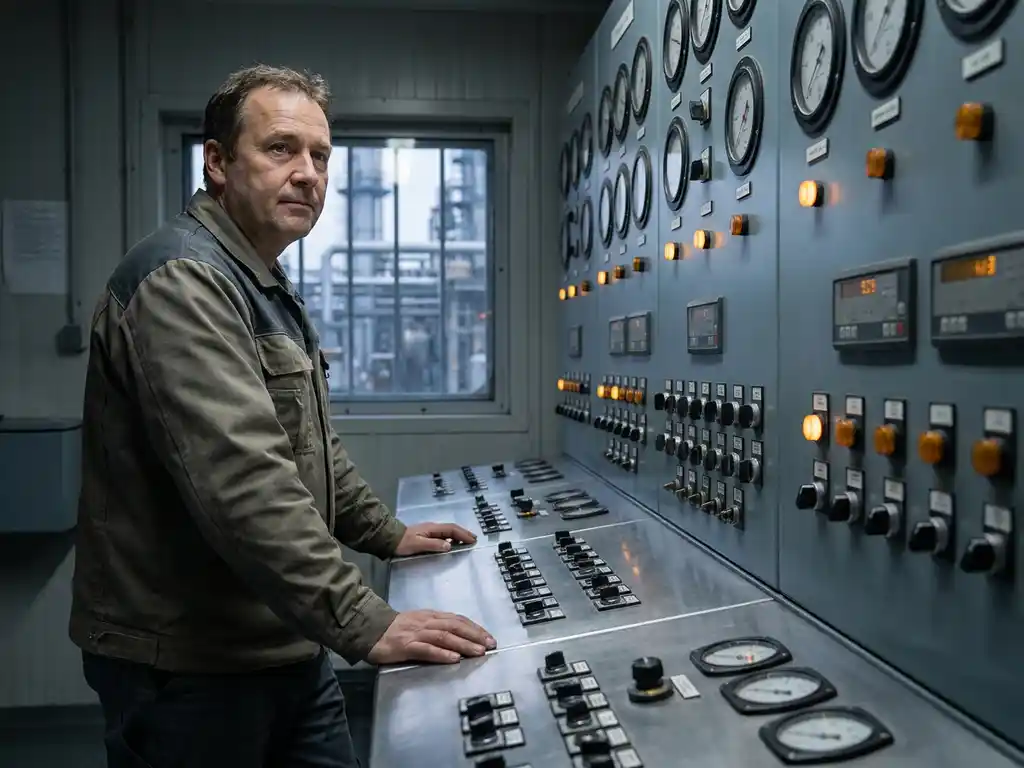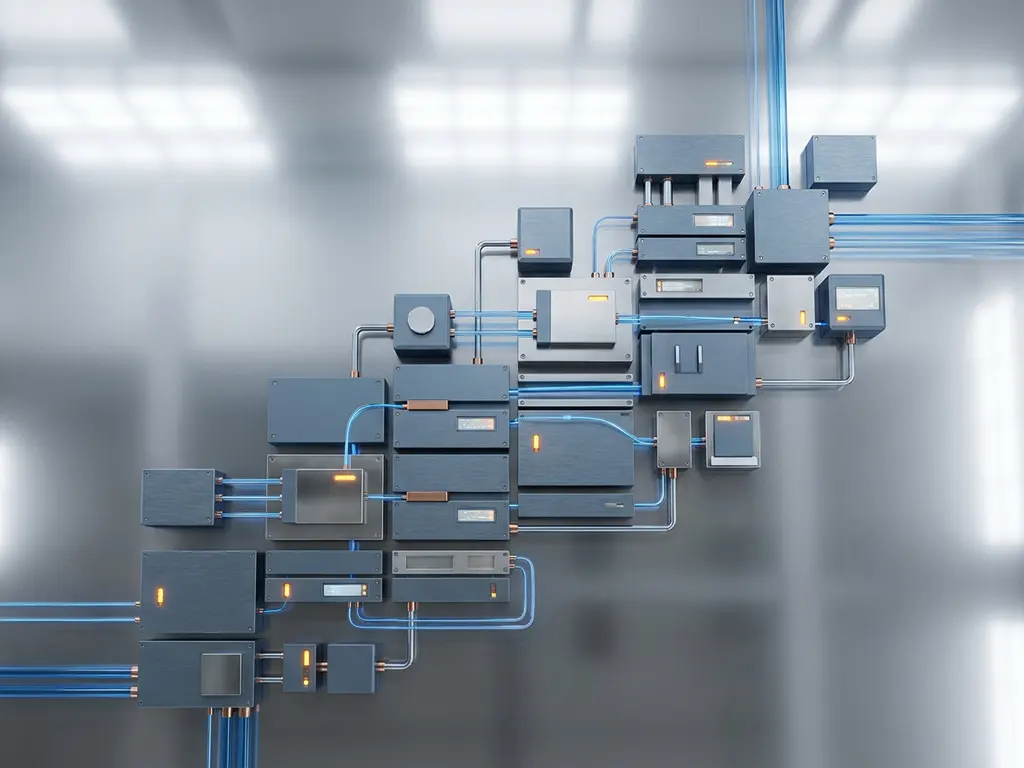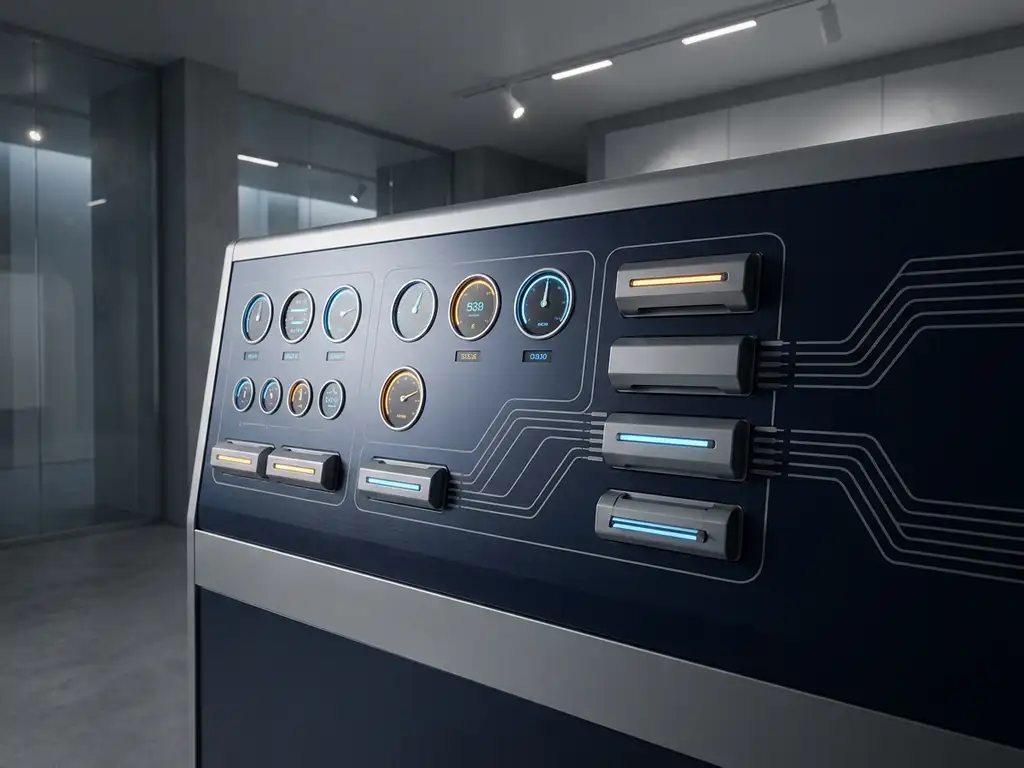

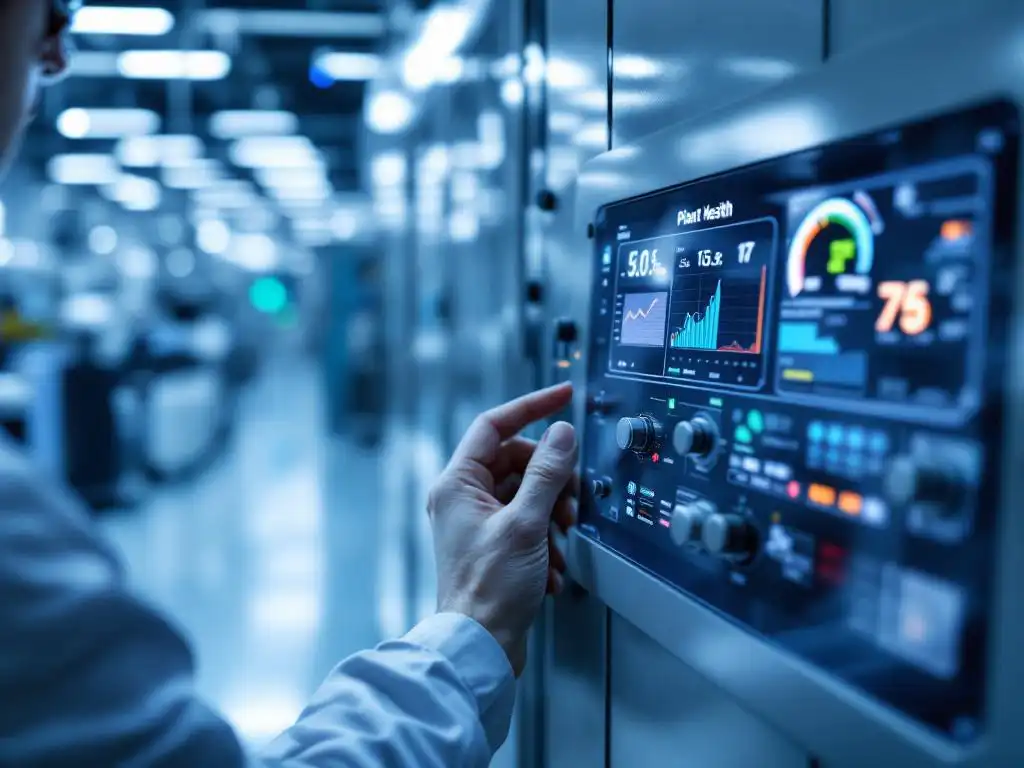
Plant monitoring in industrial care involves continuously tracking equipment performance, environmental conditions, and operational parameters to maintain optimal facility health. This comprehensive oversight system collects real-time data from sensors and instruments throughout your facility, enabling proactive maintenance and preventing costly breakdowns. Understanding plant monitoring helps industrial operations maintain efficiency, ensure safety compliance, and reduce operational costs.
What is plant monitoring and why is it essential for industrial operations?
Plant monitoring is a comprehensive system that continuously observes and records data from industrial equipment, processes, and environmental conditions. It encompasses data collection from sensors, process oversight through automated systems, and system health tracking to identify potential issues before they become critical problems.
This monitoring approach serves as the foundation for effective plant care by providing operators with real-time visibility into every aspect of their facility. The system tracks parameters such as temperature, pressure, flow rates, vibration levels, and energy consumption across all equipment and processes.
Industrial operations depend on continuous monitoring for several critical reasons. Safety compliance requires constant oversight of hazardous processes and environmental conditions to protect workers and meet regulatory standards. Operational efficiency improves when operators can identify bottlenecks, energy waste, and performance degradation immediately rather than waiting for equipment failures.
Cost management becomes more effective with proper monitoring because predictive maintenance replaces reactive repairs. When systems alert operators to developing problems, maintenance teams can schedule interventions during planned downtime rather than dealing with emergency breakdowns that halt production.
How does plant monitoring actually work in modern industrial facilities?
Modern plant monitoring systems operate through interconnected networks of sensors, data acquisition units, and centralized control systems. Field devices continuously measure physical parameters and convert them into digital signals that travel through communication networks to central monitoring stations where operators can view and analyze the information.
The process begins with field instrumentation, including temperature sensors, pressure transmitters, flow meters, and vibration monitors installed throughout the facility. These devices connect to programmable logic controllers (PLCs) and remote terminal units (RTUs) that collect and process the raw data.
SCADA (Supervisory Control and Data Acquisition) systems serve as the central nervous system, gathering information from distributed control points and presenting it through intuitive operator interfaces. Communication networks, often using industrial Ethernet or wireless protocols, ensure reliable data transmission even in harsh industrial environments.
Human-machine interfaces (HMIs) display real-time data through graphical representations, trend charts, and alarm notifications. This visual approach enables operators to quickly understand complex process conditions and respond appropriately to changing situations. Data historians store information for analysis, reporting, and compliance documentation.
What are the key components of an effective plant monitoring system?
An effective plant monitoring system requires several integrated components working together to provide comprehensive facility visibility. Field instrumentation forms the foundation, including sensors and transmitters that measure critical parameters throughout your operation.
Essential components include:
- Field instruments (sensors, transmitters, analyzers) for data collection
- Communication infrastructure (networks, gateways, protocols) for data transmission
- Control systems (PLCs, RTUs, DCS) for data processing and local control
- SCADA software for centralized monitoring and supervision
- Data historians for information storage and retrieval
- HMI systems for operator interaction and visualization
- Alarm management systems for notification and response coordination
These components work together seamlessly to create a comprehensive monitoring ecosystem. Communication infrastructure ensures reliable data flow between field devices and control rooms. Data historians maintain long-term records for trend analysis and regulatory compliance. Alarm management systems filter and prioritize notifications to prevent operator overload while ensuring critical issues receive immediate attention.
The integration between components determines system effectiveness. Proper design ensures redundancy for critical measurements, standardized communication protocols for interoperability, and scalable architecture that accommodates future expansion needs.
What’s the difference between plant monitoring and process control systems?
Plant monitoring focuses on observation and data collection, while process control systems actively intervene to adjust operations automatically. Monitoring systems gather information and alert operators to conditions requiring attention, whereas control systems take direct action to maintain desired setpoints and operating parameters.
Monitoring systems serve as the eyes and ears of your facility, continuously watching equipment performance and process conditions. They collect data, generate reports, and provide alarms when parameters exceed acceptable ranges. However, they typically don’t make automatic adjustments to equipment operation.
Process control systems go beyond monitoring by implementing automatic responses to changing conditions. When a temperature rises above setpoint, the control system automatically adjusts valve positions or equipment settings to bring the process back within acceptable limits. These systems include feedback loops that continuously compare actual conditions to desired targets.
The two systems complement each other in industrial automation. Monitoring systems provide the data foundation that control systems need to make informed decisions. Many modern installations integrate both functions within distributed control systems (DCS) that combine comprehensive monitoring with sophisticated control capabilities.
Understanding this distinction helps facility managers choose appropriate solutions for their specific needs. Some applications require only monitoring with manual operator intervention, while others benefit from fully automated control responses.
How do you choose the right plant monitoring solution for your facility?
Choosing the right plant monitoring solution requires careful evaluation of your facility’s specific requirements, including plant size, process complexity, integration needs, and budget constraints. Start by assessing your current monitoring capabilities and identifying gaps that need addressing for effective plant care.
Key selection criteria include:
- Scalability to accommodate future expansion and additional monitoring points
- Integration capabilities with existing control systems and enterprise software
- Reliability and redundancy features for critical applications
- User interface design that matches operator skill levels and workflow requirements
- Vendor support and long-term system sustainability
- Compliance features for industry-specific regulatory requirements
Consider your facility’s operational characteristics when evaluating solutions. Continuous process industries require different monitoring approaches than batch operations. Hazardous area classifications may limit equipment choices and require specialized safety certifications.
Implementation planning should address system deployment phases, operator training requirements, and integration with existing maintenance procedures. Successful monitoring systems align with operational workflows rather than disrupting established practices.
Budget considerations extend beyond initial equipment costs to include installation, commissioning, training, and ongoing support expenses. Total cost of ownership calculations should factor in system lifecycle, upgrade paths, and potential operational savings from improved monitoring capabilities.
How CoNet helps with plant monitoring solutions
CoNet specializes in comprehensive plant monitoring solutions using Siemens PCS7 systems, providing end-to-end support from initial consultation through ongoing system maintenance. Our expertise covers system design, engineering, integration, and 24/7 support services tailored to your specific industrial requirements.
Our plant monitoring services include:
- Complete system design and engineering using proven Siemens technologies
- Integration with existing control systems and enterprise software
- Custom HMI development for an optimal operator experience
- Comprehensive testing and commissioning services
- Operator training and documentation
- Ongoing support and system optimization
We understand that effective plant monitoring requires more than just installing equipment. Our approach focuses on creating monitoring solutions that integrate seamlessly with your operational procedures while providing the visibility needed for proactive facility management.
As a certified Siemens partner, we bring deep expertise in industrial automation and process control to every monitoring project. Our team works closely with your operations staff to ensure monitoring systems enhance rather than complicate daily workflows.
Ready to improve your plant monitoring capabilities? Contact our specialists to discuss your specific requirements and learn how our monitoring solutions can enhance your facility’s operational efficiency and reliability.