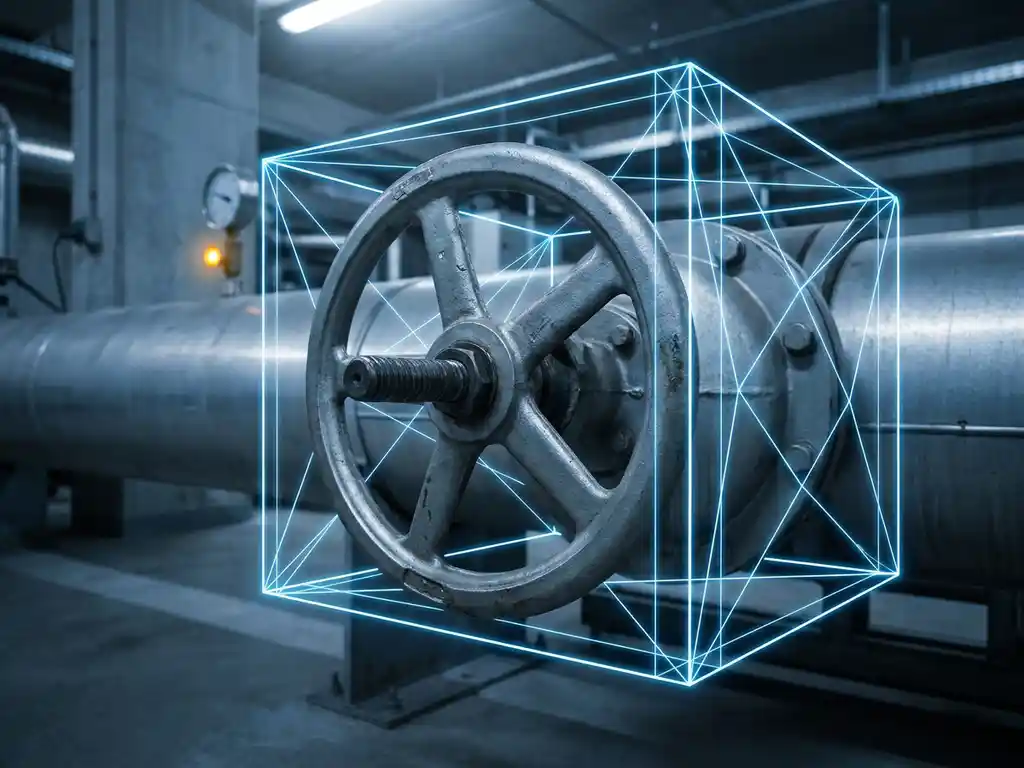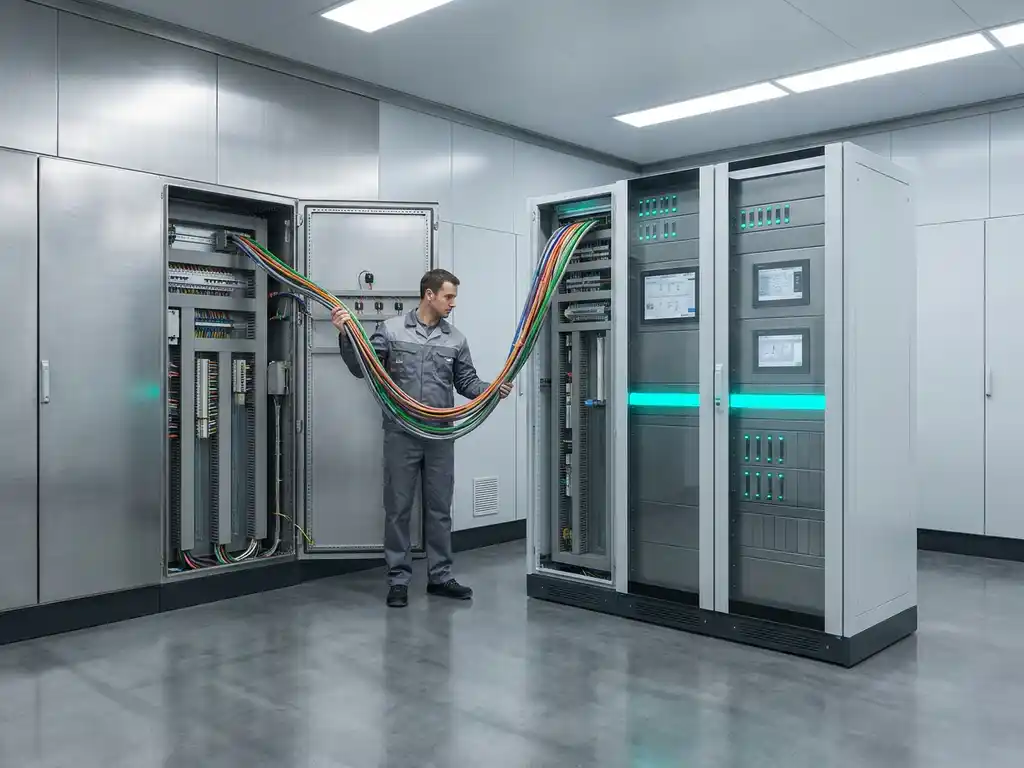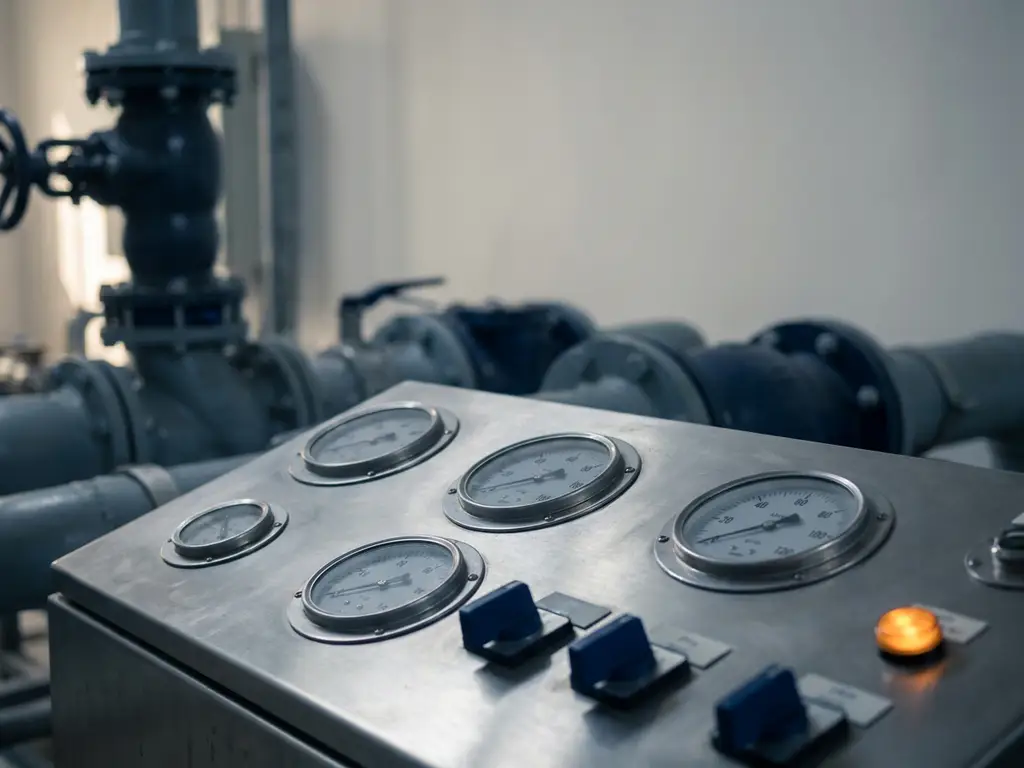

Automated plant care uses advanced control systems and sensors to monitor and manage industrial plant operations continuously without human intervention. These systems collect real-time data, make instant adjustments to maintain optimal conditions, and prevent costly downtime through predictive maintenance. Modern industrial facilities rely on automated plant care to ensure consistent quality, improve safety, and maximize operational efficiency across complex manufacturing processes.
What is automated plant care and how does it transform industrial operations?
Automated plant care encompasses the comprehensive use of process control systems, sensors, and intelligent software to manage industrial plant operations without constant human oversight. This technology monitors critical parameters such as temperature, pressure, flow rates, and chemical compositions while automatically adjusting equipment to maintain optimal operating conditions.
The core components of automated plant care include distributed control systems that serve as the central nervous system, field sensors that gather real-time data, actuators that make physical adjustments, and sophisticated algorithms that analyze information and trigger responses. These elements work together through automated feedback loops that continuously compare actual conditions against desired setpoints.
This transformation enables industrial facilities to operate with unprecedented precision and consistency. Rather than relying on manual checks and adjustments that can introduce delays and human error, automated systems respond within milliseconds to changing conditions. The technology handles routine monitoring tasks while alerting operators only when exceptional situations require human intervention, allowing skilled personnel to focus on strategic improvements and complex problem-solving.
How do automated systems monitor and control plant processes in real time?
Real-time monitoring relies on extensive sensor networks that continuously collect data from every critical point in the industrial process. These sensors measure parameters such as temperature, pressure, flow rates, pH levels, and equipment vibrations, transmitting information to central control systems multiple times per second.
The collected data flows through advanced control algorithms that compare current conditions against predetermined optimal ranges. When deviations are detected, the system immediately calculates the required adjustments and sends commands to actuators, valves, pumps, and other equipment to restore proper operating conditions.
Modern systems use predictive analytics to identify potential issues before they become problems. By analyzing historical patterns and current trends, the technology can detect subtle changes that indicate developing equipment problems or process inefficiencies. This capability allows for proactive maintenance scheduling and prevents unexpected failures that could disrupt production.
Data visualization dashboards provide operators with comprehensive overviews of plant performance, highlighting critical information and trends. These interfaces allow human supervisors to understand complex processes at a glance while maintaining the ability to override automated decisions when necessary.
What are the main benefits of implementing automated plant care systems?
Automated plant care systems deliver significant operational improvements through enhanced efficiency, reduced human error, and consistent quality control. These systems operate continuously without fatigue, maintaining precise control over complex processes that would be impossible to manage manually with the same level of accuracy.
Key advantages include:
- Improved safety through reduced human exposure to hazardous environments and automatic emergency response procedures
- Cost savings from optimized resource consumption, reduced waste, and minimized downtime
- Predictive maintenance capabilities that prevent expensive equipment failures
- Enhanced product quality through consistent process control and reduced variability
- 24/7 operation capability without the limitations of human work schedules
- Detailed data logging for regulatory compliance and process improvement analysis
The technology also enables better resource allocation by freeing skilled operators from routine monitoring tasks. This allows human expertise to focus on optimization projects, strategic planning, and handling complex situations that require creative problem-solving abilities.
Which industries benefit most from automated plant care solutions?
Chemical processing, oil and gas, food and beverage, pharmaceuticals, and energy production industries gain the most significant advantages from automated plant care systems due to their complex processes, strict quality requirements, and safety considerations.
In chemical processing, automated systems manage precise reaction conditions, temperature control, and safety interlocks that prevent dangerous situations. The technology ensures consistent product quality while protecting personnel from hazardous materials and processes.
Oil and gas operations benefit from automated monitoring of pipeline pressures, flow rates, and safety systems across vast geographical areas. Remote monitoring capabilities allow centralized control of distributed facilities while maintaining strict safety standards.
Food and beverage manufacturers use automation to maintain hygiene standards, control temperatures during processing, and ensure consistent product quality. The systems help meet regulatory requirements while optimizing production efficiency and reducing waste.
Pharmaceutical companies rely on automated systems for precise control of manufacturing processes, environmental conditions, and documentation required for regulatory compliance. The technology ensures product purity and consistency while maintaining detailed records for quality assurance.
How CoNet helpt bij geautomatiseerde fabrieksbeheersing
We specialize in Siemens PCS 7 process automation systems that provide comprehensive automated plant care solutions for industrial facilities. As certified PCS 7 Process Safety Specialists and Siemens COMOS partners, we deliver complete automation solutions from initial consultation through ongoing maintenance support.
Our automated plant care expertise includes:
- Complete system design and engineering for optimal process control
- Integration of existing equipment with modern automation technology
- Real-time monitoring and control system implementation
- Safety system design and validation for hazardous processes
- 24/7 support and maintenance services to ensure continuous operation
- Training programs to help your team maximize system benefits
We serve as your single point of contact for all automation needs, combining deep technical expertise with practical implementation experience across the chemical, food and beverage, and energy sectors. Ready to transform your plant operations with automated care systems? Contact us to discuss how our Siemens automation solutions can optimize your industrial processes.