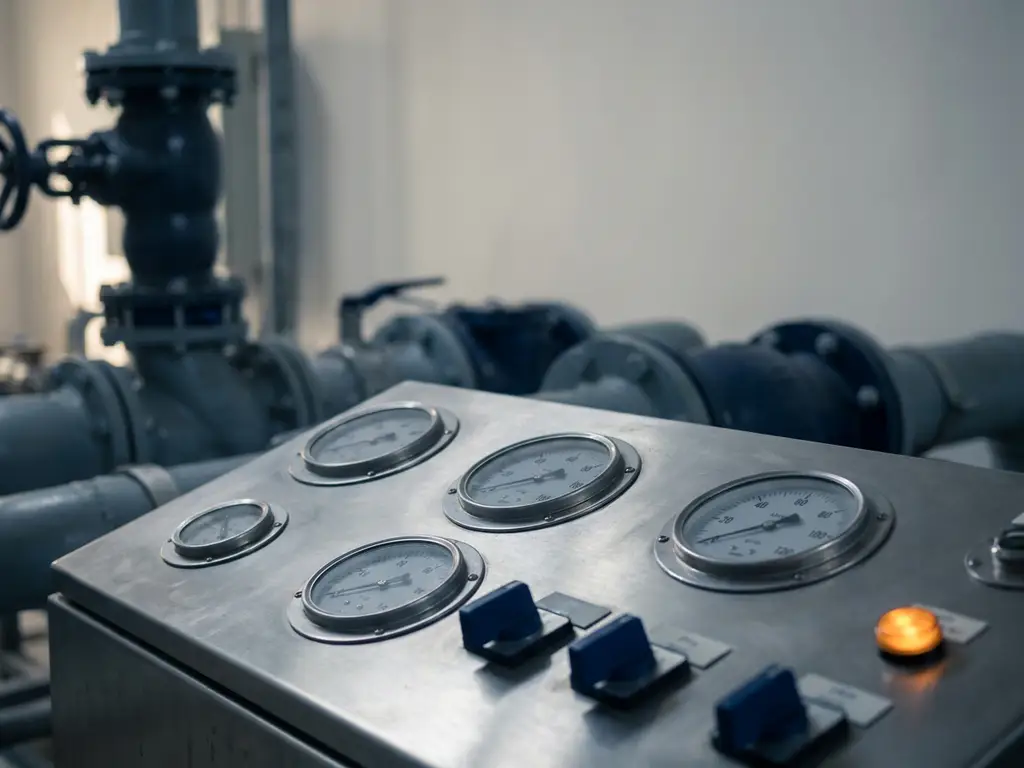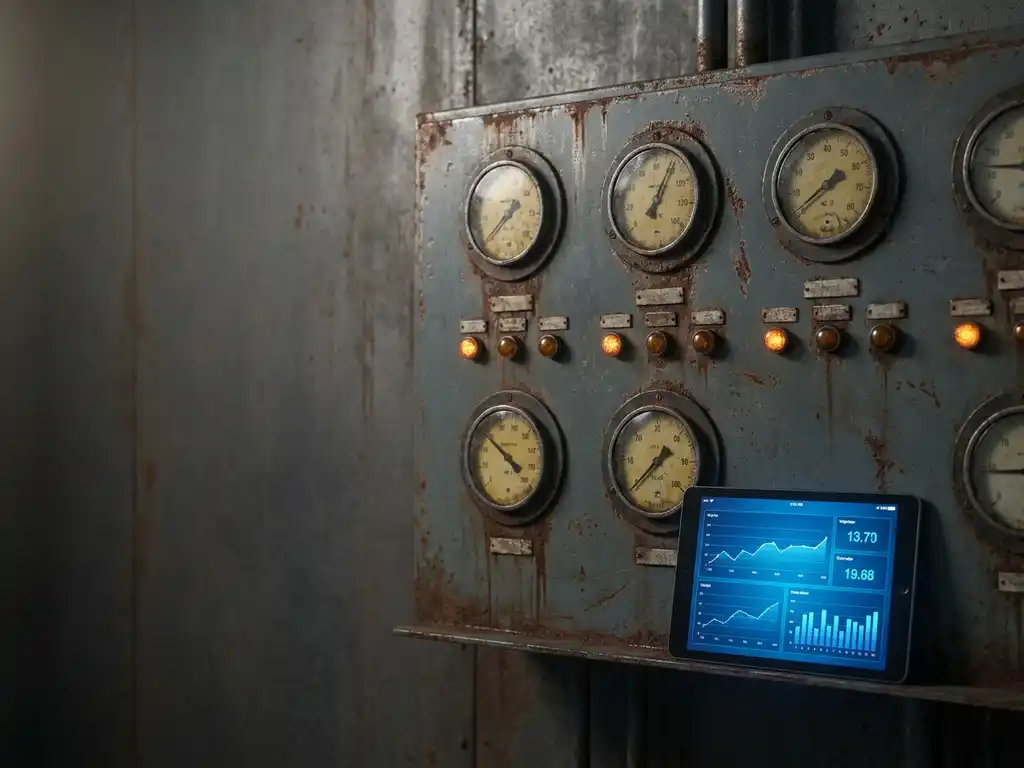


Plant pre-maintenance should be performed before equipment shows signs of failure, typically following scheduled intervals based on manufacturer recommendations, operating conditions, and historical performance data. Effective timing prevents costly breakdowns and maintains optimal production efficiency. The frequency varies by equipment type, with critical systems requiring more frequent attention than non-essential components.
What is plant pre-maintenance and why does timing matter?
Plant pre-maintenance is a proactive maintenance approach that involves servicing equipment before problems occur. Rather than waiting for breakdowns or visible wear, this strategy schedules maintenance activities based on predetermined intervals, equipment condition, or performance indicators.
Proper timing prevents catastrophic failures that can shut down entire production lines. When maintenance occurs too late, you risk expensive emergency repairs, safety hazards, and lost productivity. Conversely, excessive maintenance wastes resources and may introduce unnecessary downtime.
The critical importance lies in maintaining equipment reliability while optimising operational costs. Well-timed pre-maintenance extends equipment lifespan, ensures consistent product quality, and maintains compliance with safety regulations. This approach particularly benefits industrial automation systems where interconnected components depend on each other for seamless operation.
How do you determine the right maintenance frequency for different equipment?
Maintenance frequency depends on equipment criticality, operating environment, and manufacturer specifications. Critical production equipment typically requires monthly or quarterly attention, while support systems may need only annual servicing.
Start with manufacturer recommendations as your baseline, then adjust based on actual operating conditions. Equipment running continuously in harsh environments needs more frequent maintenance than systems operating intermittently in controlled conditions. Historical performance data reveals patterns that help refine schedules.
Consider these key factors when establishing intervals:
- Equipment age and expected lifespan
- Operating hours and duty cycles
- Environmental conditions like temperature, humidity, and contamination
- Criticality to production processes
- Availability of spare parts and maintenance resources
Document performance trends and adjust schedules accordingly. Equipment showing consistent reliability may allow for slightly extended intervals, while problematic systems require more frequent attention.
What are the warning signs that indicate immediate pre-maintenance is needed?
Performance degradation, unusual noises, excessive vibration, and abnormal temperatures signal immediate maintenance needs. These indicators often appear weeks before complete failure, providing an opportunity for planned intervention rather than emergency response.
Monitor these critical warning signs during regular plant care inspections:
- Decreased efficiency or output quality
- Unusual sounds like grinding, squealing, or knocking
- Excessive vibration or movement in normally stable equipment
- Temperature variations outside normal operating ranges
- Visible wear, corrosion, or fluid leaks
- Increased energy consumption without corresponding output
Modern automation systems often generate alerts before human operators notice problems. System warnings, fault codes, and performance deviations should trigger immediate assessment. Do not ignore minor symptoms, as they typically worsen rapidly without intervention.
Train operators to recognise these signs during routine operations. Early detection prevents minor issues from becoming major failures that disrupt production schedules.
When should seasonal maintenance be scheduled for optimal plant performance?
Schedule seasonal maintenance during planned shutdowns or low-demand periods to minimise production impact. Spring and autumn typically offer ideal timing for comprehensive maintenance activities before peak operating seasons.
Plan seasonal maintenance around your production calendar. Food and beverage plants often schedule major maintenance between seasonal campaigns, while chemical facilities may align with planned turnarounds. Consider weather-related factors that affect both maintenance activities and production demands.
Optimal seasonal timing includes:
- Spring preparation for summer peak production periods
- Autumn maintenance before winter heating season demands
- Holiday periods when reduced staffing naturally limits production
- Coordination with supplier maintenance windows
- Weather considerations for outdoor equipment servicing
Develop annual maintenance calendars that align with business cycles. This approach ensures adequate preparation time, resource availability, and minimal disruption to customer commitments.
How does predictive maintenance technology change pre-maintenance timing?
Predictive maintenance technology enables condition-based scheduling rather than fixed time intervals. IoT sensors, vibration analysers, and thermal imaging provide real-time equipment health data that indicates optimal maintenance timing based on actual condition rather than calendar dates.
These technologies monitor equipment continuously, identifying developing problems before they cause failures. Sensors track parameters like temperature, pressure, vibration, and electrical signatures. Advanced analytics compare current readings with historical baselines to predict when maintenance will be needed.
Key predictive maintenance technologies include:
- Vibration monitoring for rotating equipment
- Thermal imaging for electrical and mechanical systems
- Oil analysis for hydraulic and lubrication systems
- Ultrasonic testing for structural integrity
- Current signature analysis for motor condition
This data-driven approach optimises maintenance timing, reducing both unexpected failures and unnecessary servicing. Equipment receives attention precisely when needed, maximising operational efficiency while controlling maintenance costs.
Hoe CoNet helpt met maintenance planning en timing
We provide comprehensive maintenance planning solutions using Siemens automation systems that integrate predictive maintenance capabilities with your existing plant operations. Our approach combines advanced monitoring technology with expert consultation to optimise maintenance schedules for maximum efficiency.
Our maintenance planning services include:
- 24/7 monitoring and support systems for continuous plant care oversight
- Predictive maintenance technology integration using Siemens PCS 7 systems
- Customised maintenance scheduling based on your specific operational requirements
- Expert consultation for maintenance strategy development and optimisation
- Real-time alerts and reporting for proactive maintenance decision-making
As certified Siemens specialists, we understand how proper maintenance timing directly impacts your bottom line. Our integrated approach ensures your maintenance activities align perfectly with production schedules while maximising equipment reliability.
Ready to optimise your maintenance planning strategy? Contact us to discuss how our expertise can improve your plant’s maintenance efficiency and reduce unexpected downtime.