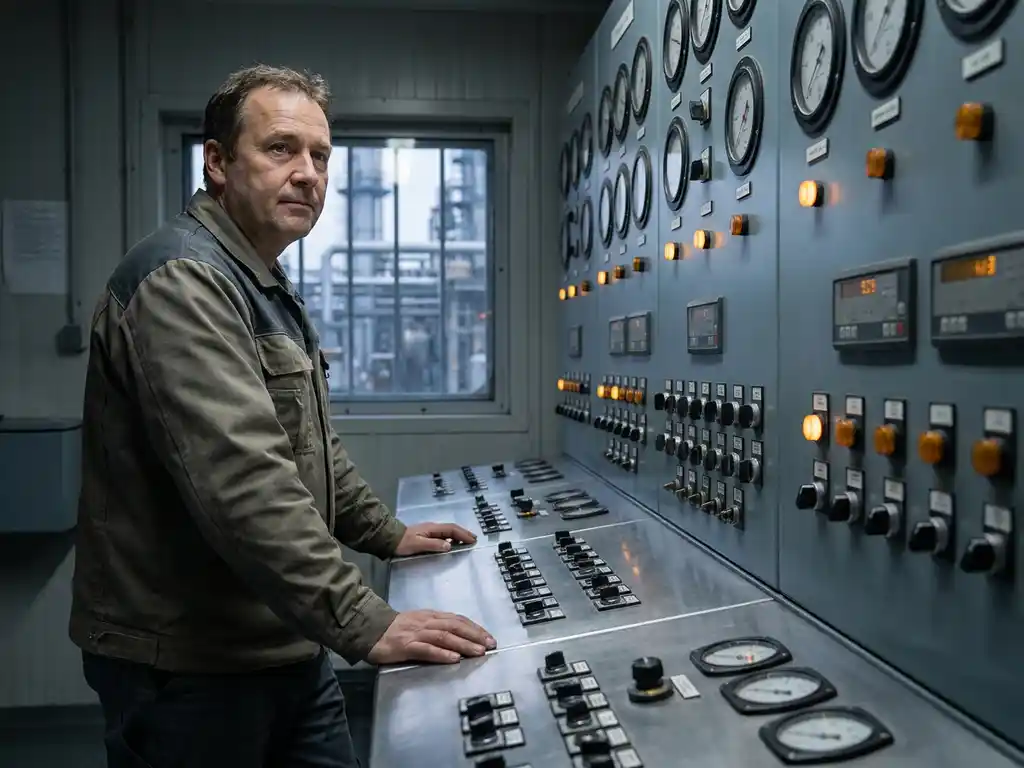

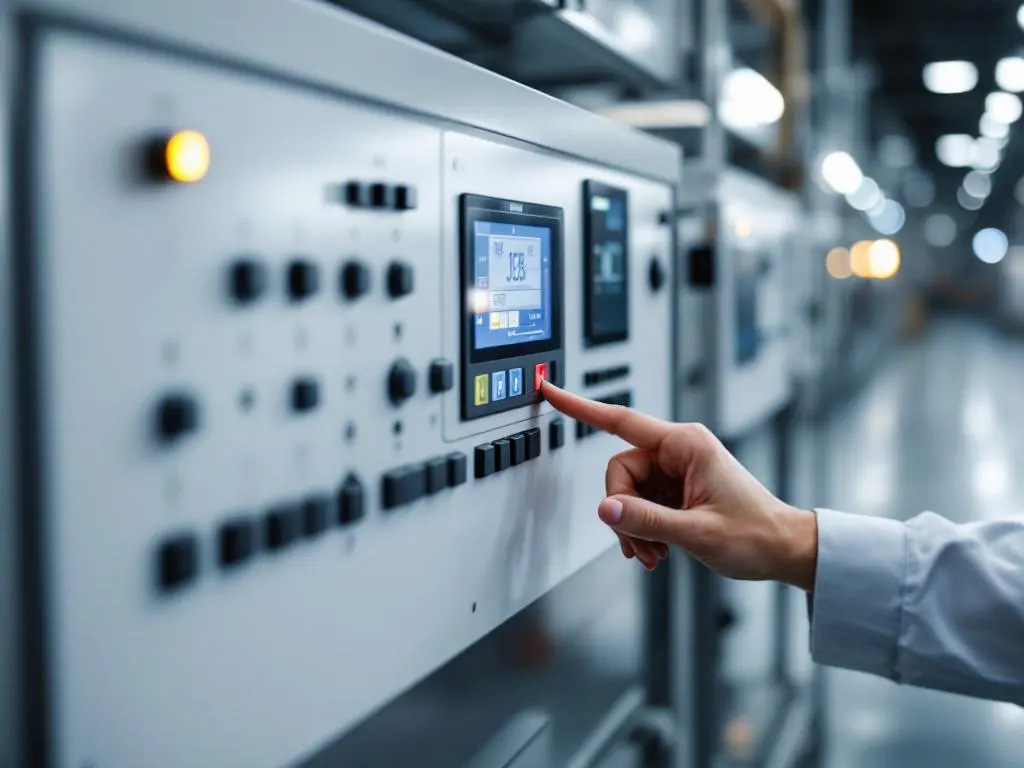
Industrial automation implementation costs typically range from £50,000 to £500,000 for most facilities, depending on system complexity and plant size. Basic control systems start at around £20,000, while comprehensive process automation can exceed £1 million. The investment depends on factors such as existing infrastructure, integration requirements, safety standards, and regulatory compliance needs. Understanding these cost drivers helps you budget effectively and calculate a realistic return on investment.
What factors determine industrial automation implementation costs?
System complexity, plant size, existing infrastructure, integration requirements, safety standards, and regulatory compliance are the primary factors determining automation costs. Each element significantly impacts your total investment and project timeline.
System complexity affects costs more than any other factor. Simple relay-based controls cost substantially less than advanced distributed control systems with predictive analytics. The number of control loops, input/output points, and communication protocols directly correlates with hardware and engineering expenses.
Plant size determines the physical scope of installation work. Larger facilities require more field devices, longer cable runs, additional network infrastructure, and extended commissioning time. A 10,000-square-metre facility typically costs three to five times more to automate than a 2,000-square-metre space.
The condition of the existing infrastructure plays a crucial role in budget planning. Facilities with modern electrical systems, structured cabling, and adequate control rooms require minimal preparation work. Older plants often need substantial upgrades to power distribution, grounding systems, and environmental controls before automation installation begins.
Integration requirements with existing systems such as MES, ERP, or legacy equipment add complexity and cost. Each connection point requires custom programming, testing, and validation. Plants with multiple vendor systems typically face higher integration expenses than single-vendor environments.
How much should you budget for different types of automation systems?
Basic control systems cost £20,000–£100,000, mid-level automation ranges from £100,000–£300,000, and advanced process automation typically requires £300,000–£1,000,000 or more. These ranges include hardware, software, engineering, installation, and commissioning across different industry sectors.
Basic automation systems handle simple on/off control, basic monitoring, and limited data collection. These systems work well for smaller operations with straightforward processes. Costs include programmable logic controllers, human-machine interfaces, basic sensors, and standard installation work.
Mid-level automation incorporates advanced control strategies, comprehensive data collection, and integration with business systems. These installations typically serve medium-sized facilities requiring regulatory compliance, batch processing capabilities, or multi-zone environmental control.
Advanced process automation includes distributed control systems, safety instrumented systems, advanced process control algorithms, and comprehensive asset management capabilities. Large chemical plants, refineries, and pharmaceutical facilities typically require this level of sophistication.
Engineering costs typically represent 25–35% of total project expenses. Software licensing adds 10–20%, depending on system complexity. Installation and commissioning usually account for 30–40% of the budget, with the remaining costs covering hardware and project management.
What are the hidden costs in automation projects that catch companies off guard?
Staff training, system integration challenges, implementation downtime, ongoing maintenance contracts, software licensing renewals, and unexpected infrastructure upgrades frequently exceed initial budget estimates. These overlooked expenses can add 20–40% to project costs.
Staff training represents a significant ongoing investment that many companies underestimate. Operators need comprehensive training on new systems, maintenance staff require specialised technical education, and engineers must understand advanced configuration tools. Training costs continue beyond initial implementation as staff turnover occurs.
System integration challenges arise when connecting new automation systems with existing equipment. Legacy systems may require custom interfaces, protocol converters, or complete replacement. Integration testing often reveals compatibility issues requiring additional engineering work and hardware purchases.
Implementation downtime costs vary dramatically by industry but can exceed the automation system cost itself. Production losses during installation, commissioning delays, and start-up problems affect revenue significantly. Many companies fail to account for extended commissioning periods and gradual performance optimisation.
Ongoing maintenance contracts, software support agreements, and periodic system updates create substantial recurring expenses. Annual maintenance typically costs 8–15% of the initial system value. Software licensing renewals, cybersecurity updates, and technology refresh cycles add additional long-term costs.
How do you calculate the return on investment for industrial automation?
Calculate automation ROI by comparing total implementation costs against annual savings from productivity gains, labour cost reductions, quality improvements, waste reduction, energy efficiency, and maintenance savings. Most industrial automation projects achieve payback periods between 18 months and 4 years.
Productivity gains typically provide the largest ROI component. Automation increases throughput, reduces cycle times, and enables consistent 24/7 operation. Calculate productivity improvements by comparing current output capacity with projected automated production rates.
Labour cost savings include direct operator reductions, decreased supervision requirements, and the elimination of manual data collection tasks. However, you should factor in additional maintenance staff needs and higher skill level requirements for remaining personnel.
Quality improvements reduce waste, rework, and customer complaints while potentially enabling premium pricing for consistent products. Quantify quality benefits by analysing current defect rates, scrap costs, and customer satisfaction metrics.
Energy efficiency gains from optimised process control, equipment coordination, and demand management often provide substantial savings. Smart systems reduce energy consumption by 10–25% in many applications through improved operational efficiency.
Maintenance cost reductions come from predictive maintenance capabilities, reduced equipment wear, and optimised maintenance scheduling. Automated systems typically reduce unplanned downtime by 30–50% while extending equipment life.
Hoe CoNet helpt bij kosteneffectieve automatiseringsprojecten
We deliver cost-effective automation solutions through comprehensive project planning, transparent pricing, risk mitigation strategies, and long-term support that maximises ROI for industrial automation investments. Our approach ensures predictable costs and optimal system performance.
Our cost-effective approach includes:
- Detailed feasibility studies that identify all cost factors upfront
- Transparent pricing with fixed-cost proposals for defined project scopes
- Risk assessment and mitigation strategies to prevent budget overruns
- Phased implementation options that spread costs over time
- Comprehensive training programmes that maximise system utilisation
- Long-term support agreements that protect your automation investment
We specialise in Siemens automation solutions, enabling us to provide expert guidance on system selection, configuration, and optimisation. This focused expertise helps avoid costly mistakes and ensures efficient project delivery.
Ready to explore cost-effective automation solutions for your facility? Contact our automation specialists to discuss your project requirements and receive a detailed cost analysis tailored to your specific needs.