
PLCs control manufacturing processes by receiving input signals from sensors, processing this data according to programmed logic, and sending output commands to actuators and equipment. These programmable logic controllers operate in real time, continuously monitoring conditions and making automated decisions to maintain optimal production parameters, ensuring consistent quality and efficient operations across diverse manufacturing environments.
What are PLCs and why are they essential in modern manufacturing?
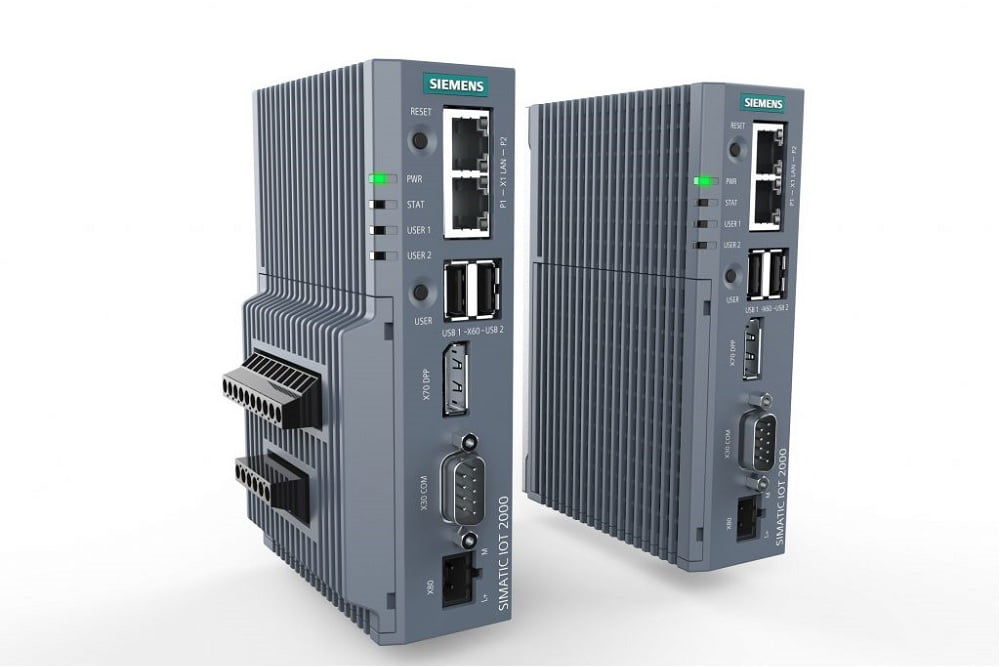
PLCs are industrial computers designed to control manufacturing equipment and processes through programmed logic sequences. They replace traditional relay-based control systems with flexible, programmable solutions that can adapt to changing production requirements while maintaining precise control over machinery and processes.
Modern manufacturing relies on PLCs because they provide reliable automation capabilities that human operators cannot match in terms of speed, consistency, and precision. These systems operate continuously without fatigue, responding to process changes in milliseconds while maintaining strict safety protocols.
PLCs have become indispensable across industries because they integrate seamlessly with existing equipment while offering scalability for future expansion. Whether controlling a simple conveyor system or managing complex chemical processes, PLCs provide the foundation for efficient, safe, and cost-effective manufacturing operations that meet today’s demanding quality standards.
How do PLCs actually control and monitor manufacturing processes?
PLCs control processes through a continuous cycle of input scanning, program execution, and output updating. The system reads signals from sensors measuring temperature, pressure, position, and other variables, processes this information according to programmed logic, and sends control signals to motors, valves, and actuators within milliseconds.
The real-time monitoring capabilities allow PLCs to track multiple process variables simultaneously, comparing actual conditions against predetermined setpoints. When deviations occur, the system automatically adjusts parameters or triggers alarms to maintain optimal operating conditions.
Integration with sensors and actuators creates a comprehensive control network where PLCs serve as the central intelligence. Temperature sensors might trigger cooling systems, proximity sensors control conveyor speeds, and pressure transducers regulate valve positions. This coordinated response ensures consistent product quality while protecting equipment from damage through automated safety interlocks.
What types of manufacturing processes can PLCs manage effectively?
PLCs excel in managing assembly lines, chemical processing, food production, packaging systems, and quality control processes. They handle both discrete manufacturing operations like automotive assembly and continuous processes such as pharmaceutical production, adapting their control strategies to match specific industry requirements.
In assembly line applications, PLCs coordinate robotic movements, track product flow, and manage material handling systems. For chemical processing, they maintain precise temperature and pressure control while monitoring safety parameters. Food production systems benefit from PLC control of mixing, heating, cooling, and packaging operations that ensure consistent quality and food safety compliance.
Quality control processes rely on PLCs to coordinate inspection equipment, reject defective products, and maintain production records. Packaging systems use PLC control for precise filling, sealing, and labeling operations. The versatility of PLCs allows them to manage everything from simple on/off control to complex multivariable process regulation across virtually any manufacturing application.
How do PLCs integrate with other industrial automation systems?
PLCs integrate with SCADA systems, MES platforms, and HMI interfaces through standardized communication protocols including Ethernet, Profibus, and Modbus. These connections enable seamless data exchange between plant-floor equipment and enterprise-level systems, creating comprehensive manufacturing intelligence networks.
SCADA integration allows operators to monitor and control multiple PLCs from centralized control rooms, providing plant-wide visibility and coordination. MES connectivity enables PLCs to receive production schedules, recipe changes, and quality parameters while reporting production data, equipment status, and performance metrics back to management systems.
Communication protocols ensure reliable data transfer between different automation components, regardless of manufacturer. Modern PLCs support industrial Ethernet standards that enable high-speed communication with databases, enterprise resource planning systems, and cloud-based analytics platforms. This connectivity transforms individual PLC systems into integrated manufacturing environments where process automation solutions deliver comprehensive production optimization.
Understanding PLC capabilities helps manufacturing professionals make informed decisions about automation investments. These systems provide the foundation for modern industrial efficiency, safety, and quality control. Whether upgrading existing processes or designing new production lines, PLCs offer the reliability and flexibility needed for competitive manufacturing operations that can adapt to changing market demands while maintaining operational excellence.