
PLCs improve production efficiency by automating manufacturing processes, reducing human error, and enabling real-time control of industrial equipment. These programmable systems monitor production continuously, make instant adjustments, and maintain consistent quality standards. PLCs minimise downtime through predictive maintenance capabilities while optimising production speeds and resource utilisation across manufacturing operations.
What are PLCs and how do they transform manufacturing processes?
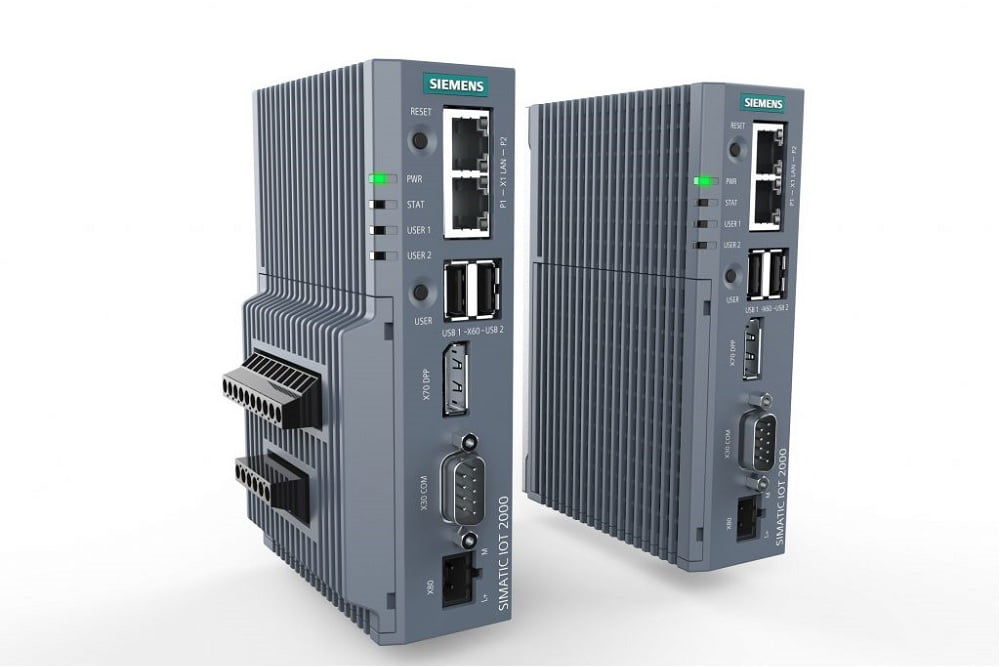
Programmable Logic Controllers (PLCs) are industrial computers that control manufacturing equipment through automated decision-making and real-time processing. These digital control systems replace traditional relay-based controls with programmable software that can manage complex production sequences, monitor equipment status, and respond to changing conditions instantly.
PLCs transform manufacturing by creating intelligent production environments where machines communicate seamlessly with each other. They process input signals from sensors, switches, and measuring devices, then execute programmed logic to control motors, valves, conveyor belts, and other industrial equipment. This digital control removes guesswork from production processes.
The transformation occurs through three key capabilities: continuous monitoring of production parameters, instant response to process variations, and automated coordination between different production stages. PLCs can manage everything from simple on-off controls to complex multi-stage manufacturing sequences that would be impossible to coordinate manually.
How do PLCs reduce production downtime and increase output?
PLCs reduce downtime by continuously monitoring equipment health and detecting potential failures before they occur. Through predictive maintenance algorithms, these systems track motor vibrations, temperature fluctuations, and performance metrics that indicate when components need attention. This proactive approach prevents unexpected breakdowns that halt production lines.
Production output increases because PLCs maintain optimal operating speeds consistently. Unlike manual control, which varies with operator attention and fatigue, automated systems run at precisely programmed parameters. PLCs coordinate multiple production stages simultaneously, eliminating bottlenecks and ensuring smooth material flow throughout the manufacturing process.
The systems also enable rapid changeovers between different products or production runs. Where manual reconfiguration might take hours, PLCs can switch between pre-programmed recipes in minutes. This flexibility allows manufacturers to respond quickly to changing demands while maximising equipment utilisation.
What’s the difference between manual control and PLC automation in production?
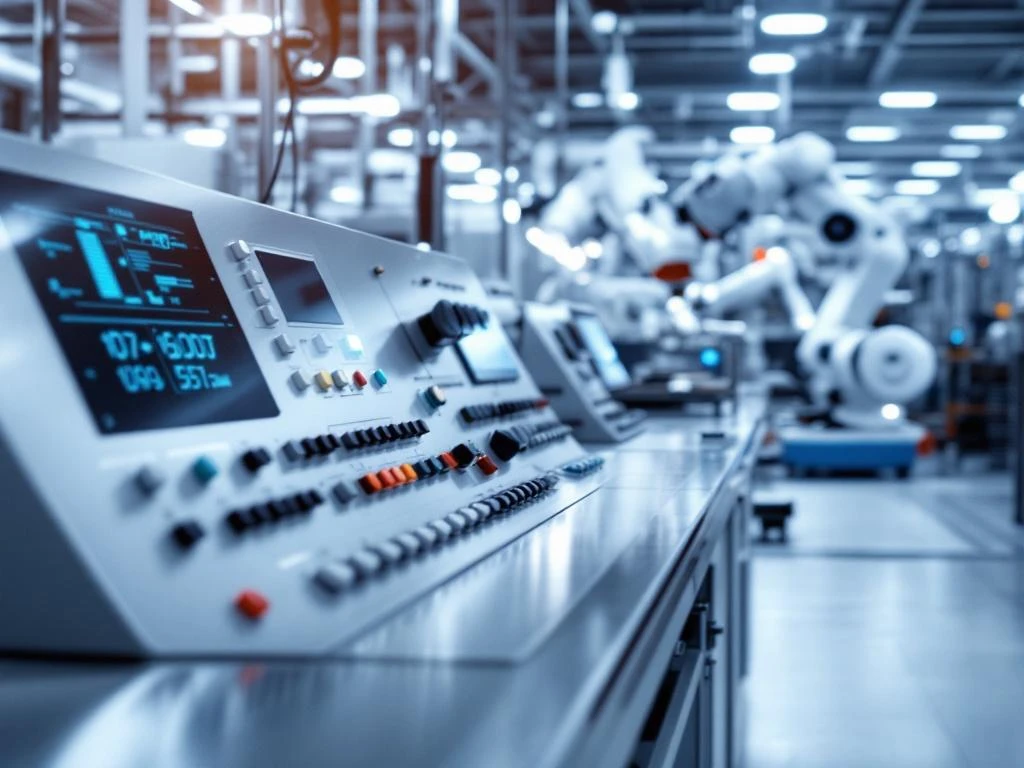
Manual control relies on human operators to monitor processes and make adjustments, while PLC automation uses programmed logic to manage production continuously without human intervention. This fundamental difference affects every aspect of manufacturing operations, from consistency and speed to error rates and operational costs.
Manual systems depend on operator skill, attention, and physical presence. Production quality can vary based on individual performance, shift changes, and human fatigue. Operators must physically monitor gauges, adjust controls, and coordinate between different production stages, which limits response speed and introduces potential for errors.
PLC automation provides consistent performance regardless of time of day or external factors. These systems execute identical procedures every time, maintaining precise control parameters and timing. Automated systems can operate continuously without breaks, manage multiple processes simultaneously, and respond to changes in milliseconds rather than minutes.
The cost benefits extend beyond labour savings. Automated systems reduce material waste through precise control, lower energy consumption through optimised operations, and decrease maintenance costs through predictive monitoring capabilities.
How do PLCs improve quality control and reduce manufacturing errors?
PLCs improve quality control by implementing automated inspection routines and maintaining precise process parameters that prevent defects from occurring. These systems continuously monitor critical quality indicators such as temperature, pressure, timing, and dimensional measurements, making real-time adjustments to keep production within specified tolerances.
Error reduction occurs through the elimination of human variability in production processes. PLCs execute identical procedures for every product, ensuring consistent mixing times, curing temperatures, and assembly sequences. This repeatability eliminates the variations that commonly cause quality issues in manual operations.
Advanced PLC systems integrate with quality measurement equipment to create closed-loop control. When sensors detect parameters moving outside acceptable ranges, the system automatically adjusts process variables to correct the deviation. This immediate response prevents defective products from continuing through the production line.
The systems also maintain detailed production records, tracking every adjustment and measurement for complete traceability. This data enables rapid identification of quality issues and their root causes, supporting continuous improvement initiatives.
What factors should manufacturers consider when implementing PLC systems?
Manufacturers should evaluate their production complexity, integration requirements, and long-term automation goals when selecting PLC systems. The choice depends on factors including the number of input/output points needed, communication protocols for existing equipment, and scalability for future expansion.
Production needs assessment involves mapping current processes to identify which operations benefit most from automation. Simple on-off controls require basic PLCs, while complex process control with multiple variables needs advanced systems with sophisticated programming capabilities. Consider whether you need basic discrete control or continuous process regulation.
Integration planning ensures new PLC systems communicate effectively with existing equipment, software systems, and data networks. Modern manufacturing often requires connection to enterprise resource planning systems, quality databases, and remote monitoring platforms. We specialise in creating scalable process solutions that integrate seamlessly with existing infrastructure.
Training requirements and ongoing support are crucial considerations. Staff need programming knowledge for system modifications and troubleshooting skills for maintenance. Implementation success depends on having qualified personnel who understand both the production process and automation technology.
Return on investment calculations should include direct labour savings, quality improvements, reduced waste, and increased production capacity. Most PLC implementations pay for themselves through efficiency gains and error reduction within the initial years of operation.