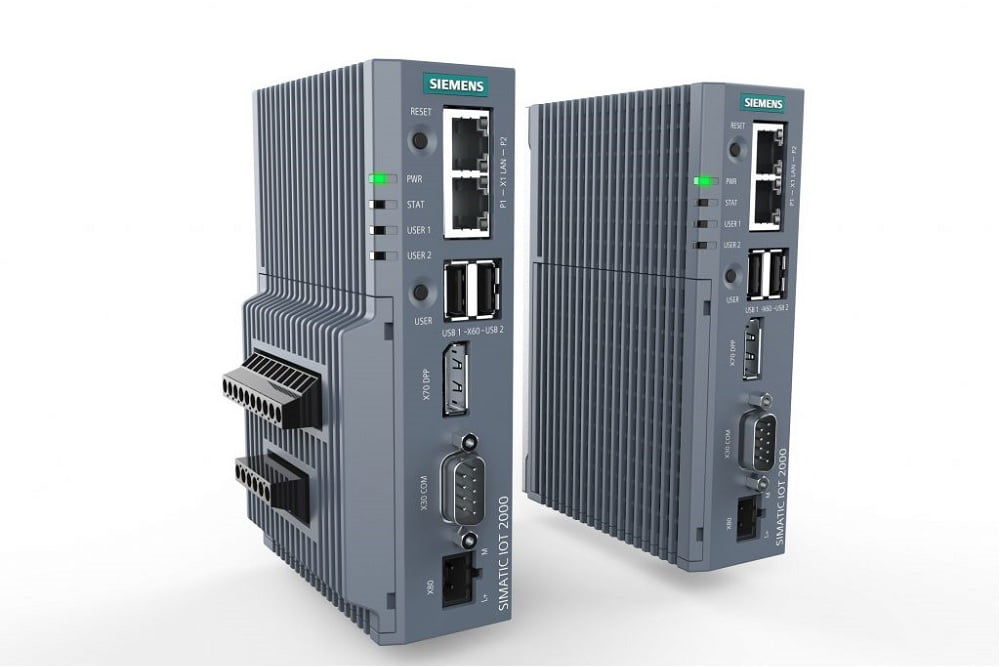

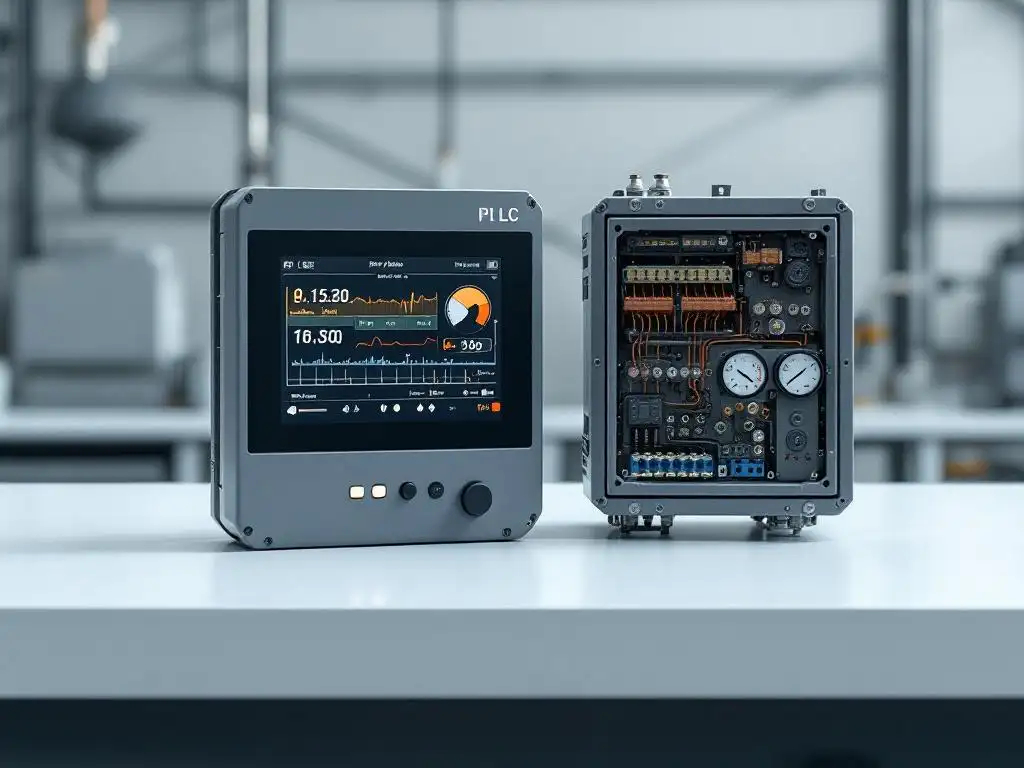
Smart PLCs are advanced Programmable Logic Controllers with enhanced processing power, built-in connectivity, and edge computing capabilities that traditional controllers lack. Unlike conventional PLCs that focus solely on basic automation tasks, smart PLCs integrate IoT connectivity, cybersecurity features, and real-time analytics. They enable seamless integration with modern manufacturing systems while supporting Industry 4.0 requirements for data-driven operations.
What exactly are smart PLCs and how do they differ from traditional controllers?
Smart PLCs are next-generation Programmable Logic Controllers that combine traditional automation control with advanced computing capabilities, connectivity features, and integrated security measures. Traditional controllers primarily execute pre-programmed logic sequences for basic automation tasks, while smart PLCs offer enhanced processing power, built-in networking, and sophisticated data handling capabilities.
The fundamental difference lies in their architectural design. Traditional PLCs operate as standalone units with limited communication capabilities, requiring separate components for networking and data collection. Smart PLCs integrate these functions directly into the controller, featuring built-in Ethernet ports, wireless connectivity options, and advanced processors capable of handling complex calculations and data analytics.
Processing power represents another significant distinction. Smart PLCs utilise multi-core processors and increased memory capacity, enabling them to manage multiple tasks simultaneously without compromising performance. This enhanced capability allows for real-time data processing, advanced diagnostics, and predictive maintenance functions that traditional controllers cannot support.
Why are smart PLCs becoming essential for modern industrial automation?
Smart PLCs have become essential due to Industry 4.0 requirements demanding interconnected, intelligent manufacturing systems. Modern industrial environments require real-time data analytics, IoT integration, and seamless communication between operational technology and information technology systems. Traditional controllers cannot meet these sophisticated connectivity and processing demands.
The shift towards data-driven manufacturing necessitates controllers capable of collecting, processing, and transmitting operational data in real time. Smart PLCs provide this capability through built-in analytics engines and cloud connectivity, enabling manufacturers to monitor performance, predict maintenance needs, and optimise production processes continuously.
Cybersecurity concerns also drive adoption of smart PLCs. Modern manufacturing faces increasing cyber threats requiring robust security measures. Smart PLCs incorporate advanced security protocols, encrypted communications, and secure authentication methods that traditional controllers lack, protecting critical industrial systems from potential breaches.
Additionally, the demand for flexible manufacturing systems requires controllers that can adapt quickly to changing production requirements. Smart PLCs support dynamic reconfiguration and remote programming capabilities, allowing manufacturers to modify operations without extensive downtime or physical intervention.
What advanced features do smart PLCs offer that traditional controllers cannot?
Smart PLCs provide edge computing capabilities, processing data locally to reduce latency and bandwidth requirements. This feature enables real-time decision-making without relying on external systems. Built-in cybersecurity includes firewalls, VPN support, and encrypted communications that protect against industrial cyber threats.
Cloud connectivity represents a significant advancement, allowing direct integration with enterprise systems and remote monitoring platforms. Smart PLCs can transmit operational data to cloud-based analytics platforms, enabling predictive maintenance and performance optimisation across multiple facilities.
Integrated HMI functionality eliminates the need for separate operator interfaces in many applications. Smart PLCs can serve web-based interfaces directly to tablets, smartphones, or computers, providing flexible operator access without additional hardware requirements.
Advanced diagnostic capabilities include self-monitoring functions that continuously assess system health and performance. These controllers can identify potential issues before they cause failures, automatically generate maintenance alerts, and provide detailed troubleshooting information to maintenance personnel.
Machine learning capabilities enable smart PLCs to optimise processes automatically based on historical data and operational patterns. This feature allows continuous improvement without manual intervention, adapting to changing conditions and optimising performance over time.
How do smart PLCs impact operational efficiency compared to traditional systems?
Smart PLCs significantly improve operational efficiency through enhanced diagnostics that reduce troubleshooting time from hours to minutes. Built-in monitoring capabilities provide real-time visibility into system performance, enabling proactive maintenance and preventing unexpected downtime. This results in higher overall equipment effectiveness and reduced maintenance costs.
The integrated connectivity features eliminate communication bottlenecks common in traditional systems. Smart PLCs can share data instantly across manufacturing networks, enabling coordinated operations and faster response times to production changes or issues.
Predictive maintenance capabilities represent a major efficiency improvement. Smart PLCs continuously monitor equipment condition and performance trends, identifying potential failures before they occur. This proactive approach reduces emergency repairs, extends equipment life, and minimises production disruptions.
Remote access capabilities allow technicians to diagnose and resolve issues without travelling to the facility. This feature reduces response times, lowers maintenance costs, and enables expert support regardless of geographic location.
Energy optimisation functions help reduce operational costs by monitoring and adjusting power consumption based on production requirements. Smart PLCs can automatically implement energy-saving strategies during low-demand periods while maintaining production quality.
When should companies consider upgrading from traditional controllers to smart PLCs?
Companies should consider upgrading when traditional controllers are over 10–15 years old, maintenance costs exceed 15% of replacement value annually, or when scalability requirements cannot be met with existing systems. Integration challenges with modern enterprise systems also indicate the need for smart PLC upgrades.
ROI considerations favour smart PLCs when facilities require frequent production changes, remote monitoring capabilities, or enhanced data collection for quality control. The payback period typically ranges from 18–36 months, depending on the complexity of existing systems and operational requirements.
Regulatory compliance requirements often drive upgrade decisions. Industries with strict documentation and traceability requirements benefit from smart PLCs’ advanced data logging and reporting capabilities that traditional controllers cannot provide adequately.
Skills availability within the organisation also influences upgrade timing. Companies with ageing technical staff may benefit from smart PLCs’ simplified programming environments and enhanced diagnostic capabilities that reduce the learning curve for new technicians.
Cybersecurity concerns represent an urgent upgrade driver. Traditional controllers with limited security features pose increasing risks in connected manufacturing environments, making smart PLC adoption essential for protecting critical operations.
How CoNet helps with smart PLC implementation
We specialise in Siemens smart PLC solutions, providing comprehensive support throughout the entire implementation process. Our expertise covers system assessment, design optimisation, installation, and ongoing maintenance for industrial automation upgrades using advanced Programmable Logic Controllers.
Our smart PLC implementation services include:
- Complete system assessment and upgrade planning
- Custom programming and configuration services
- Integration with existing manufacturing systems
- Comprehensive training programmes for operational staff
- 24/7 technical support and maintenance services
- Cybersecurity implementation and monitoring
As a certified Siemens partner, we ensure optimal performance and seamless integration of smart PLC systems with your existing operations. Our team provides ongoing support to maximise your investment in modern automation technology.
Ready to upgrade your automation systems with smart PLC technology? Contact our automation specialists to discuss your specific requirements and develop a customised implementation plan.