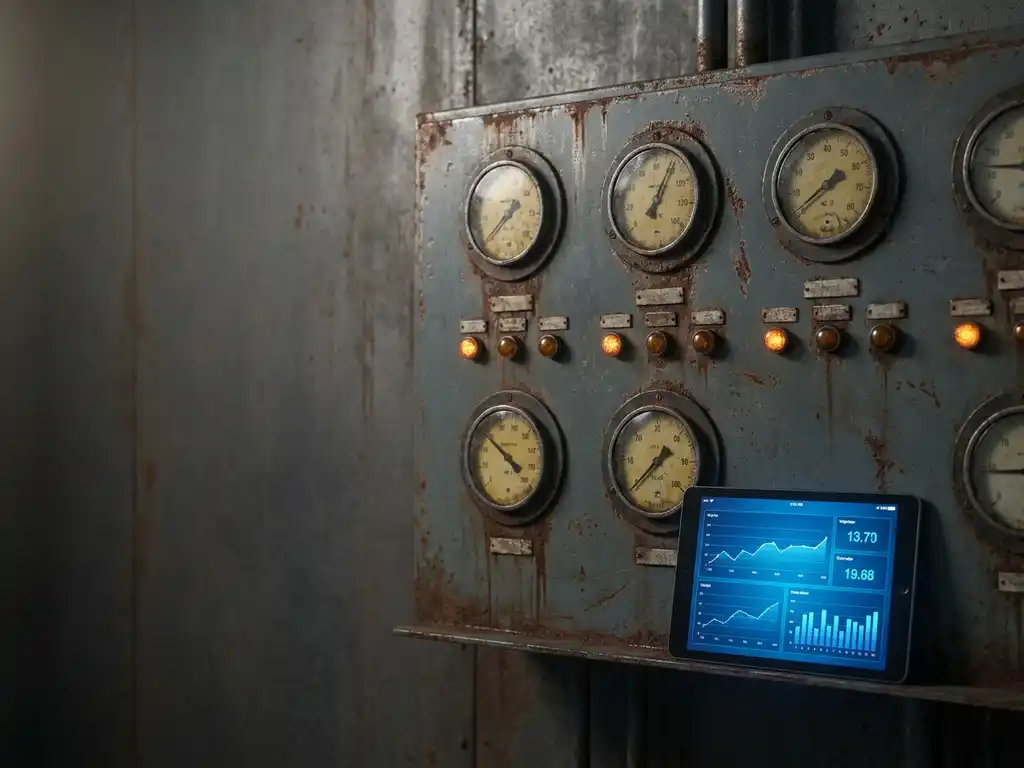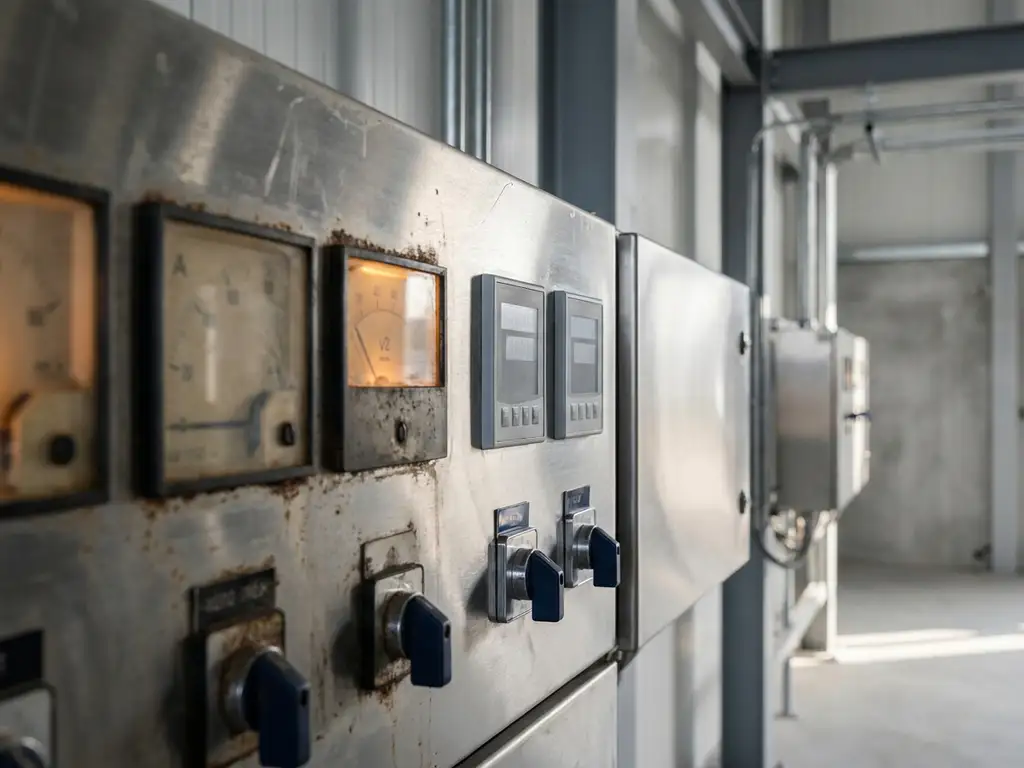


Regular plant health checks involve systematic inspections and assessments of industrial automation systems to ensure optimal performance and prevent unexpected failures. These proactive evaluations examine critical components such as control systems, sensors, safety mechanisms, and communication networks. Proper plant care through scheduled health checks reduces downtime, maintains safety compliance, and optimises production efficiency across automated industrial operations.
What are plant health checks and why are they essential for industrial operations?
Plant health checks are comprehensive assessments of industrial automation systems that evaluate equipment condition, performance parameters, and safety compliance. These systematic inspections identify potential issues before they escalate into costly failures or safety hazards.
The essential nature of these checks becomes clear when considering the financial impact of unplanned downtime. A single equipment failure can halt entire production lines, resulting in lost revenue, missed delivery deadlines, and potential safety risks. Regular health assessments shift maintenance from reactive to proactive, addressing problems during scheduled maintenance windows rather than emergency shutdowns.
Proactive maintenance through health checks offers several advantages over reactive approaches. Instead of waiting for equipment to fail, systematic assessments detect wear patterns, performance degradation, and emerging issues early. This approach extends equipment lifespans, reduces maintenance costs, and ensures consistent production quality.
Safety compliance represents another critical aspect of plant health checks. Automated systems must meet stringent regulatory requirements, and regular assessments ensure continued compliance. These evaluations verify that safety systems function correctly, emergency procedures remain effective, and all components operate within specified parameters.
How often should you perform plant health checks in automated systems?
Plant health check frequency depends on equipment criticality, operating conditions, and manufacturer recommendations. Critical systems typically require monthly assessments, while less critical components may need quarterly or annual evaluations. Risk-based scheduling ensures resources focus on the most important systems.
Equipment criticality forms the foundation of scheduling decisions. Systems that directly impact production, safety, or quality require more frequent attention. For example, primary control systems and safety instrumented systems might need monthly checks, while auxiliary equipment could follow quarterly schedules.
Operating conditions significantly influence check intervals. Harsh environments, continuous operation, and high-stress applications accelerate wear and increase failure risks. Equipment operating in corrosive atmospheres, extreme temperatures, or dusty conditions typically needs more frequent assessment than systems in controlled environments.
Manufacturer recommendations provide baseline guidance for maintenance intervals. However, actual operating conditions may require adjustments to these schedules. Risk-based maintenance scheduling considers both manufacturer guidelines and real-world operating experience to optimise check frequencies.
Performance monitoring data helps refine scheduling over time. Systems showing stable performance may have their intervals extended slightly, while equipment displaying degradation trends requires more frequent attention. This data-driven approach ensures maintenance resources target areas of greatest need.
What key components should you inspect during plant health checks?
Essential components for inspection include control systems, field instrumentation, safety systems, communication networks, and mechanical elements. Priority should be given to systems critical to production, safety, and quality, following a systematic approach that covers all automation layers from field devices to supervisory systems.
Control systems form the heart of automated operations and require thorough evaluation. This includes checking processor performance, memory usage, communication status, and backup systems. Input/output modules need testing for signal integrity, calibration accuracy, and physical condition.
Field instrumentation encompasses sensors, transmitters, and actuators that interface with the physical process. These devices require calibration verification, signal quality assessment, and physical inspection for damage or wear. Sensor accuracy directly impacts process control quality and product consistency.
Safety systems demand particular attention due to their critical protective function. Emergency shutdown systems, fire and gas detection, and safety interlocks need functional testing to ensure reliable operation when required. These systems often have specific regulatory testing requirements.
Communication networks enable coordination between system components. Network health checks include bandwidth utilisation, error rates, redundancy status, and physical cable condition. Network failures can cascade through entire systems, making this assessment crucial.
Mechanical components supporting automation systems also need attention. This includes valve actuators, motor drives, cooling systems, and power supplies. These elements often show physical signs of wear before electronic components fail.
How do you identify potential issues before they cause plant failures?
Early issue detection relies on trend analysis, performance monitoring, diagnostic tools, and systematic observation of warning signs. Predictive maintenance techniques analyse data patterns to identify developing problems, while regular performance comparisons reveal gradual degradation that might otherwise go unnoticed until failure occurs.
Trend analysis examines historical performance data to identify patterns indicating developing issues. Gradual increases in response times, declining accuracy, or changing power consumption often precede failures. Modern automation systems capture extensive operational data that supports this analytical approach.
Performance monitoring compares current operation against established baselines. Deviations from normal parameters can indicate emerging problems. For example, increased vibration in rotating equipment, higher operating temperatures, or changes in process variability often signal developing issues.
Diagnostic tools built into modern automation systems provide real-time health information. These tools monitor internal system parameters, communication quality, and component status. Many systems offer predictive diagnostics that analyse multiple parameters simultaneously to identify potential problems.
Visual inspection remains valuable for identifying physical deterioration. Corrosion, loose connections, damaged cables, and environmental contamination often appear before causing system failures. Regular visual assessments complement electronic monitoring techniques.
Data-driven decision-making combines multiple information sources to assess system health comprehensively. This approach considers performance trends, diagnostic information, maintenance history, and operational context to prioritise maintenance activities effectively.
What tools and technologies help streamline plant health assessments?
Modern plant health assessments benefit from diagnostic software, condition monitoring systems, mobile inspection tools, and digital documentation platforms. These technologies enhance traditional inspection methods by providing real-time data analysis, automated reporting, and comprehensive documentation that improves assessment accuracy and efficiency.
Diagnostic software integrated into automation systems provides continuous health monitoring capabilities. These applications analyse system performance, identify anomalies, and generate alerts when parameters exceed normal ranges. Advanced diagnostic tools can predict potential failures based on performance trends.
Condition monitoring systems use sensors and analytics to track equipment health continuously. Vibration monitors, thermal imaging, and oil analysis systems provide ongoing assessment of mechanical components. This continuous monitoring supplements periodic manual inspections.
Mobile inspection tools enable technicians to access system information, record findings, and update maintenance records in real time. Tablet-based applications can display system schematics, maintenance procedures, and historical data during field inspections, improving assessment quality and efficiency.
Digital documentation platforms centralise maintenance records, inspection results, and equipment history. These systems enable trend analysis across multiple assessments and provide comprehensive equipment lifecycle information. Digital records also support regulatory compliance requirements.
Integration between different tools creates comprehensive plant care systems. When diagnostic software, monitoring systems, and documentation platforms share information, maintenance teams gain complete visibility into equipment health and can make more informed decisions about maintenance priorities.
How CoNet helps with plant health checks
We provide comprehensive plant health assessment services that leverage our extensive Siemens automation expertise and proven methodologies. Our approach combines systematic evaluation techniques with deep technical knowledge to identify potential issues before they impact your operations.
Our plant health check services include:
- Comprehensive system assessments covering all automation components from field devices to supervisory systems
- Preventive maintenance programmes tailored to your specific equipment and operating conditions
- 24/7 support services ensuring rapid response when issues arise
- Performance optimisation recommendations based on current best practices
- Detailed reporting with actionable insights and prioritised improvement recommendations
As certified Siemens specialists, we understand the intricacies of industrial automation systems and can identify subtle performance issues that might escape general maintenance approaches. Our systematic methodology ensures thorough evaluation while minimising disruption to your operations.
Ready to optimise your plant’s performance through professional health assessments? Contact our automation specialists to discuss how our comprehensive plant care services can enhance your operational reliability and efficiency.