
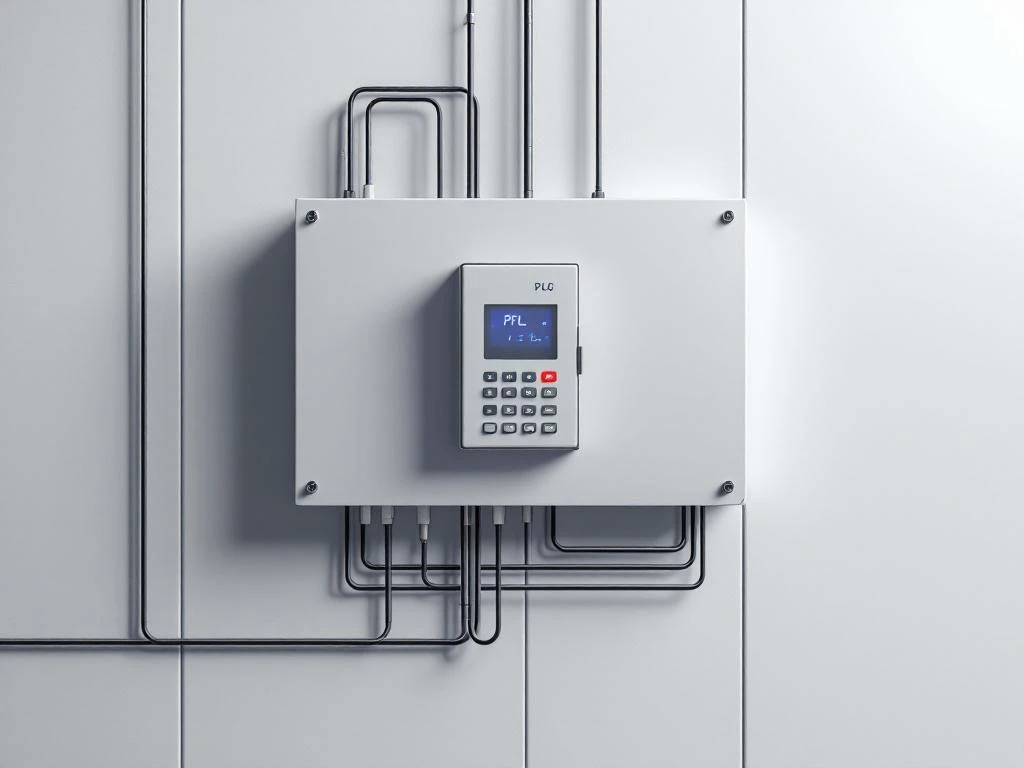
A PLC (Programmable Logic Controller) controls industrial processes by continuously monitoring input signals from sensors, executing programmed control logic, and sending output commands to actuators and devices. This digital automation system replaces traditional relay-based controls with flexible, programmable solutions that can adapt to changing process requirements while providing real-time monitoring and diagnostic capabilities.
What is a PLC and how does it control industrial processes?
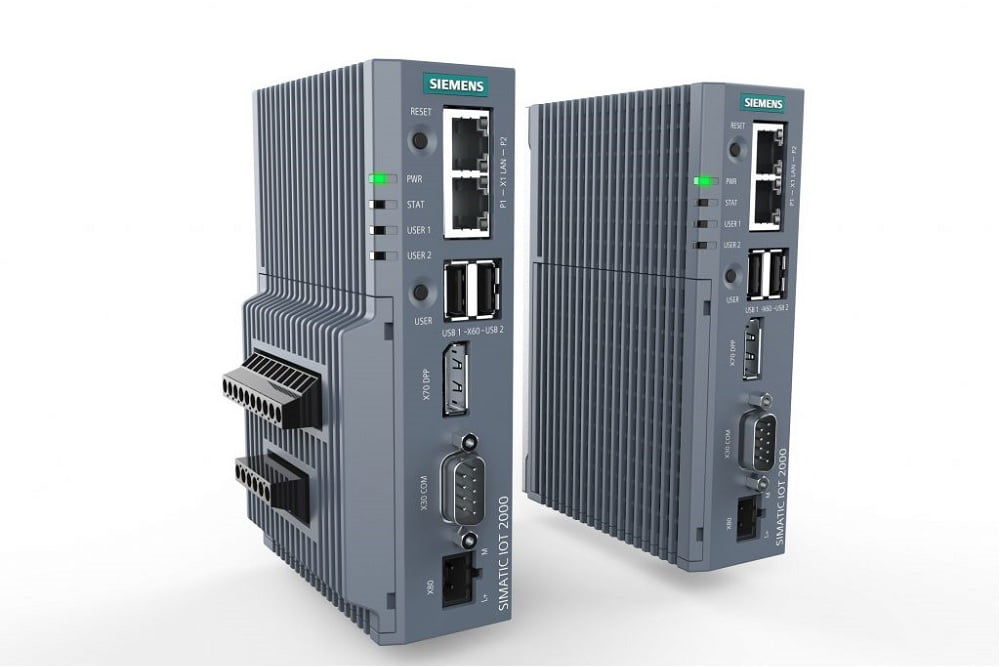
A PLC is a ruggedised industrial computer designed to control manufacturing processes, machinery, and automation systems in harsh industrial environments. It consists of three core components: a CPU that processes control logic, input/output (I/O) modules that interface with field devices, and a power supply that ensures reliable operation.
The control process operates in a continuous cycle called a scan cycle. The PLC reads input signals from sensors measuring temperature, pressure, flow rates, and equipment status. It then executes the programmed control logic stored in its memory, making decisions based on current conditions and predetermined parameters. Finally, it updates output signals to control valves, motors, pumps, and other actuators that directly influence the industrial process.
This real-time operation enables precise process control with response times measured in milliseconds. The PLC can handle complex control strategies, including feedback loops, safety interlocks, and sequential operations, while maintaining consistent performance under varying industrial conditions.
How do you programme a PLC for process control applications?
PLC programming uses specialised languages including ladder logic (resembling electrical schematics), function block diagrams (graphical programming blocks), and structured text (a high-level programming language). Most process control applications utilise ladder logic due to its intuitive representation of control circuits that maintenance personnel can easily understand.
Programming requires dedicated software provided by PLC manufacturers, which includes development environments, simulation tools, and debugging capabilities. The programming process begins with understanding the process requirements, defining input and output points, and creating control logic that manages normal operations, emergency shutdowns, and alarm conditions.
Effective process control programming incorporates safety considerations, error handling, and diagnostic features. Programs typically include process interlocks that prevent unsafe conditions, alarm management for operator notification, and data logging for process optimisation. Testing through simulation and careful commissioning ensures reliable operation before full production implementation.
What’s the difference between PLC control and traditional relay-based control?
PLCs offer programmable flexibility compared to hardwired relay systems that require physical rewiring for logic changes. Traditional relay control uses mechanical contacts and fixed wiring, making modifications time-consuming and expensive, while PLC control logic can be updated through software programming.
Diagnostic capabilities represent another significant advantage. PLCs provide detailed system status information, fault detection, and troubleshooting support that relay systems cannot match. This reduces downtime through faster problem identification and resolution, improving overall equipment effectiveness.
Cost considerations favour PLCs for complex applications. Although initial PLC costs may be higher, they eliminate extensive wiring, reduce installation time, and lower long-term maintenance expenses. PLCs also occupy less panel space, generate less heat, and provide better reliability through solid-state operation without mechanical wear components.
How do PLCs integrate with other process control systems like SCADA?
PLCs communicate with SCADA systems through industrial communication protocols including Ethernet/IP, Modbus, and PROFINET, enabling centralised monitoring and data collection from multiple process areas. This integration creates comprehensive plant automation architectures where PLCs handle local control while SCADA provides operator interfaces and historical data management.
Integration with Manufacturing Execution Systems (MES) enables production tracking, quality management, and performance analysis. PLCs provide real-time process data that MES systems use for production scheduling, inventory management, and regulatory compliance reporting.
Modern process automation architectures utilise PLCs as intelligent nodes within larger control networks. They can share data horizontally with other PLCs and vertically with enterprise systems, supporting advanced applications like predictive maintenance, energy management, and production optimisation. This connectivity enables end-to-end scalable process solutions that improve production efficiency across diverse industrial applications.
What are the most common challenges when implementing PLC process control?
System design complexity presents the primary implementation challenge, requiring careful consideration of process requirements, safety systems, and future expansion needs. Inadequate initial design leads to costly modifications and performance limitations during operation.
Programming complexity increases with process sophistication, demanding skilled personnel who understand both automation technology and specific process requirements. Integration challenges arise when connecting PLCs with existing equipment, legacy systems, and various communication protocols that may not be fully compatible.
Maintenance requirements include regular software updates, backup procedures, and spare parts management. Troubleshooting requires specialised knowledge and diagnostic tools, making training and documentation essential for reliable long-term operation. Proper implementation planning addresses these challenges through comprehensive system design, thorough testing, and ongoing support that ensures optimal process control performance.
Understanding these fundamental aspects of PLC process control helps plant managers and operations teams make informed decisions about automation investments. Whether upgrading existing systems or implementing new process control solutions, careful consideration of programming requirements, integration needs, and implementation challenges ensures successful project outcomes that improve production efficiency and operational reliability.