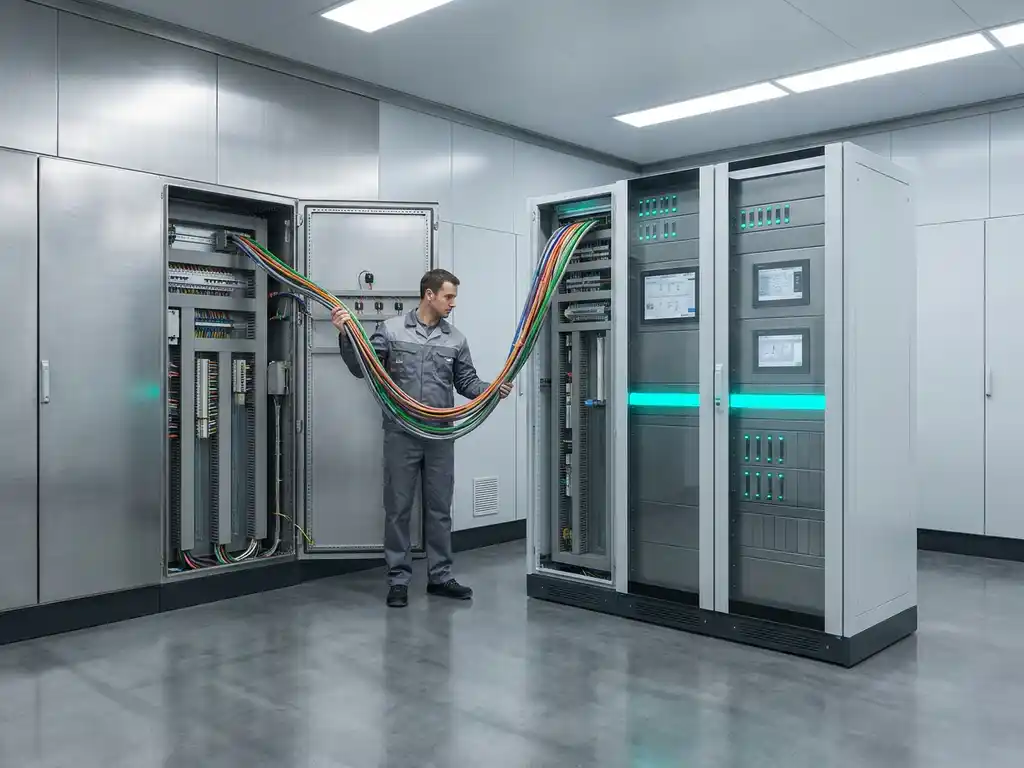


The job market for industrial automation specialists is experiencing robust growth, with strong demand across the chemical, food & beverage, and energy sectors. Skilled professionals find excellent opportunities with competitive salaries and clear advancement paths. Companies actively seek specialists with PLC programming, SCADA systems, and emerging digital transformation skills. Career entry is possible through various educational pathways and certification programmes.
What does the current job market look like for industrial automation specialists?
The industrial automation job market shows exceptional strength, with high demand exceeding the supply of qualified candidates. Chemical processing, food & beverage manufacturing, and energy sectors drive significant hiring activity. Salaries range from £35,000–£50,000 for entry-level positions to £70,000–£100,000+ for senior specialists and project managers.
Market growth stems from several key drivers. Manufacturing companies prioritise operational efficiency and cost reduction through automated systems. Regulatory compliance requirements in the pharmaceutical and food industries create steady demand for qualified automation professionals. Additionally, ageing infrastructure replacement projects across Europe generate substantial opportunities for experienced specialists.
Regional variations significantly affect job availability. Industrial centres such as Manchester, Birmingham, and Rotterdam offer the highest concentration of opportunities. Chemical processing hubs along the Thames Estuary and North Sea coast provide specialised roles with premium compensation packages. Remote work options have expanded, allowing specialists to serve multiple regions from central locations.
What skills are most in demand for automation specialists right now?
Technical competencies in PLC programming, SCADA systems, and HMI development form the foundation of employer requirements. Siemens platforms, particularly PCS 7 and SIMATIC systems, command premium positions due to widespread industrial adoption. Process control expertise that combines theoretical knowledge with practical troubleshooting abilities remains highly valued.
Emerging skills reflect industry digitalisation trends. Cybersecurity knowledge for industrial networks has become essential as manufacturers address vulnerability concerns. IoT integration capabilities allow specialists to connect legacy systems with modern data collection platforms. An understanding of digital transformation helps bridge traditional automation with advanced analytics and reporting systems.
Soft skills effectively complement technical expertise. Project management capabilities enable career advancement into leadership roles. Communication skills facilitate collaboration between engineering teams and plant operations staff. The ability to solve problems under pressure distinguishes exceptional candidates in competitive hiring situations.
How do you break into industrial automation without prior experience?
Educational pathways provide structured entry into industrial automation careers. Engineering degrees in electrical, mechanical, or control systems offer strong foundations. Technical colleges provide practical automation courses with hands-on equipment training. Apprenticeship programmes combine classroom learning with real-world experience in manufacturing environments.
Certification programmes accelerate entry for career changers. Siemens certification courses teach specific platform skills that are highly valued by employers. Rockwell Automation and Schneider Electric offer similar programmes. Online learning platforms provide flexible scheduling for working professionals transitioning between industries.
Transferable skills from related fields create valuable entry opportunities. Electrical technicians possess relevant troubleshooting and safety knowledge. Software developers bring programming logic applicable to PLC systems. Maintenance technicians understand industrial environments and equipment reliability requirements.
What career advancement opportunities exist in industrial automation?
Career progression follows well-defined pathways from technician to senior specialist roles. Entry-level automation technicians typically advance to control systems engineer positions within 2–3 years. Senior engineer roles require 5–7 years of experience and involve complex system design responsibilities. Project manager positions combine technical expertise with business management skills.
Areas of specialisation offer focused advancement opportunities. Process safety specialists command premium salaries in the chemical and pharmaceutical industries. Cybersecurity experts for industrial systems represent rapidly growing career paths. Digital transformation consultants help manufacturers implement Industry 4.0 technologies.
Leadership opportunities emerge through demonstrated technical excellence and strong communication skills. Team leader positions oversee multiple automation projects simultaneously. Department manager roles involve budget responsibility and strategic planning. Some specialists establish independent consulting practices, serving multiple clients across various industries.
How is technology changing the industrial automation job landscape?
Industry 4.0 technologies are reshaping traditional automation roles significantly. Artificial intelligence integration requires specialists to understand machine learning applications in process optimisation. Digital twin technology creates virtual plant models for testing and training purposes. Cloud-based systems enable remote monitoring and maintenance capabilities.
New job categories are emerging from technological advancement. Data scientists specialising in manufacturing analytics interpret production information for continuous improvement. Cybersecurity analysts protect industrial networks from increasing threat levels. Digital transformation managers coordinate technology upgrades across entire manufacturing operations.
Professionals are adapting through continuous learning and skill development. Traditional PLC programmers are expanding their knowledge to include IoT device integration. SCADA specialists are learning cloud platform management for distributed systems. Experienced engineers mentor junior staff while developing expertise in emerging technologies.
Hoe CoNet helpt bij carrièremogelijkheden in industriële automatisering
We specialise in Siemens industrial automation solutions and offer exceptional career opportunities for automation professionals. As a certified PCS 7 Process Safety Specialist and Siemens COMOS partner, we provide comprehensive training and development programmes. Our team of 62 specialists works on cutting-edge projects across the chemical, food & beverage, and energy sectors.
Career development opportunities at CoNet include:
- Advanced Siemens certification training programmes
- Hands-on experience with PCS 7 process automation systems
- Digital Grid solution implementation projects
- Mentorship from industry-leading automation specialists
- Direct involvement in 40,000–50,000 annual engineering hours
Our one-brand Siemens strategy provides deep specialisation opportunities unavailable elsewhere. Team members develop expertise in process optimisation, safety systems, and digital transformation projects. We support professional growth through structured career paths and continuous learning opportunities.
Join our team of automation specialists and advance your career in industrial automation. Contact us to discuss how we can help develop your expertise in Siemens automation technologies and enable you to contribute to innovative projects across diverse industrial sectors.