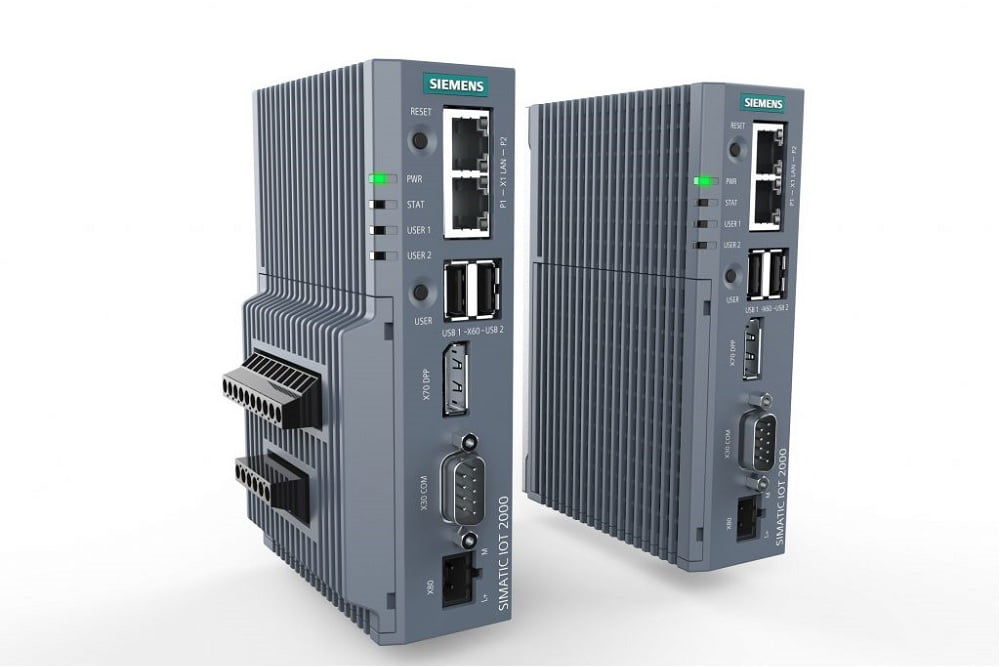

Wireless PLC technologies represent the next evolution in industrial automation, using radio frequencies instead of traditional cables to connect Programmable Logic Controllers with sensors, actuators, and other field devices. These systems offer unprecedented flexibility and cost savings while maintaining the reliability industrial operations demand. This technology is transforming how manufacturers approach system design and installation across diverse industrial sectors.
What exactly are wireless PLC technologies, and why are they gaining momentum?
Wireless PLC systems use radio communication protocols to connect Programmable Logic Controllers with field devices, eliminating the need for extensive cable infrastructure. Unlike traditional wired PLCs that rely on physical connections, wireless systems transmit control signals and data through secure radio networks, enabling remote monitoring and control of industrial processes.
The adoption of wireless PLC technology is accelerating due to several compelling advantages. Installation costs drop significantly when expensive cable runs, conduits, and junction boxes are eliminated. This is particularly beneficial in retrofit applications where running new cables through existing structures proves challenging or costly.
Flexibility represents another major driving factor. Wireless systems allow equipment to be relocated without rewiring, supporting dynamic production environments where layout changes are frequent. Maintenance becomes simpler when technicians can access system diagnostics remotely rather than tracing physical connections through complex industrial environments.
The technology also enables monitoring in previously inaccessible locations. Rotating equipment, mobile machinery, and hazardous areas can now be integrated into control systems without the safety risks and complexity associated with traditional wiring methods.
Which new wireless communication protocols are revolutionising PLC connectivity?
5G industrial networks are emerging as game-changers for wireless PLC applications, offering ultra-low-latency communication suitable for time-critical control applications. These private 5G networks provide dedicated bandwidth with microsecond response times, making them viable for closed-loop control systems that previously required wired connections.
WirelessHART 2.0 builds upon the proven HART protocol with enhanced mesh networking capabilities. This protocol automatically creates redundant communication paths, ensuring reliable data transmission even when individual network nodes fail. The mesh topology adapts dynamically to changing conditions, maintaining connectivity across large industrial sites.
IO-Link Wireless extends the popular IO-Link standard into wireless applications, enabling plug-and-play connectivity for sensors and actuators. This protocol maintains the diagnostic capabilities and parameterisation features that make IO-Link attractive while eliminating cable constraints.
Advanced Wi‑Fi 6E implementations leverage the newly available 6 GHz spectrum to provide dedicated industrial communication channels. These systems offer improved interference resistance and higher bandwidth compared to traditional Wi‑Fi, supporting multiple concurrent control loops with deterministic timing characteristics.
How do wireless PLCs overcome traditional reliability and security concerns?
Modern wireless PLC systems implement military-grade encryption standards, including AES‑256 encryption and secure key management protocols. These security measures ensure that control communications remain protected against unauthorised access and cyber threats, often exceeding the security levels of traditional wired systems.
Network redundancy solutions address reliability concerns through multiple communication paths and automatic failover mechanisms. Mesh networking protocols create self-healing networks that route around failed components, maintaining system operation even when individual wireless nodes experience problems.
Signal integrity improvements include adaptive frequency hopping, which automatically switches to clear channels when interference is detected. Advanced antenna designs and signal processing algorithms maintain reliable communication even in electrically noisy industrial environments with motors, welders, and other electromagnetic interference sources.
Fail-safe mechanisms ensure that wireless PLC systems default to safe states when communication is lost. Watchdog timers and heartbeat protocols continuously monitor connection status, triggering predetermined safety responses if wireless links are compromised. These safeguards meet the same safety integrity levels required for critical wired control systems.
What are the real-world benefits of implementing wireless PLC systems?
Installation cost reductions of 30–50% are common when wireless PLC systems eliminate extensive cable runs, especially in large facilities or outdoor applications. Labour costs decrease significantly when technicians spend time configuring wireless devices rather than pulling cables through conduits and cable trays.
System flexibility improves dramatically when production lines can be reconfigured without rewiring. Manufacturing facilities adapting to new products or changing layouts benefit from wireless systems that support rapid equipment repositioning. This agility becomes particularly valuable in industries with seasonal production variations or frequent product changeovers.
Maintenance access becomes more efficient when diagnostic information is available remotely. Technicians can troubleshoot systems from central control rooms, reducing the time spent walking to remote field locations. Predictive maintenance programmes benefit from continuous wireless monitoring of equipment parameters that would be impractical to wire traditionally.
Commissioning times shrink when wireless devices auto-discover and configure themselves within the network. Traditional cable testing and termination procedures are eliminated, allowing faster project completion and earlier production start-up. This speed advantage becomes crucial in time-sensitive installations and emergency repairs.
Enhanced scalability allows systems to grow incrementally without major infrastructure investments. Additional wireless devices integrate seamlessly into existing networks, supporting phased expansion plans and evolving operational requirements.
How CoNet helps with wireless PLC implementation
We provide comprehensive wireless PLC implementation services, leveraging our expertise with Siemens wireless automation solutions. Our team combines deep technical knowledge with practical experience to deliver reliable wireless control systems that meet your operational requirements.
Our wireless PLC services include:
- Site surveys and wireless network design optimisation
- Siemens wireless hardware selection and configuration
- Security implementation and network hardening
- Integration with existing PCS 7 and SIMATIC systems
- Comprehensive testing and validation procedures
- 24/7 technical support and maintenance services
We manage wireless PLC projects from initial consultation through ongoing maintenance, ensuring your systems deliver the flexibility and reliability your operations demand. Our certified engineers understand both the technical requirements and practical challenges of wireless industrial automation.
Ready to explore how wireless PLC technology can benefit your facility? Contact our team to discuss your specific requirements and learn how we can help implement reliable wireless automation solutions tailored to your operational needs.