
PLCs (Programmable Logic Controllers) are essential in manufacturing because they serve as the digital brain controlling automated production systems. These industrial computers monitor inputs, execute programmed logic, and control outputs to manage everything from assembly lines to safety systems. Modern factories depend on PLCs for consistent quality, operational efficiency, and safe production processes across diverse manufacturing environments.
What are PLCs and how do they control manufacturing processes?
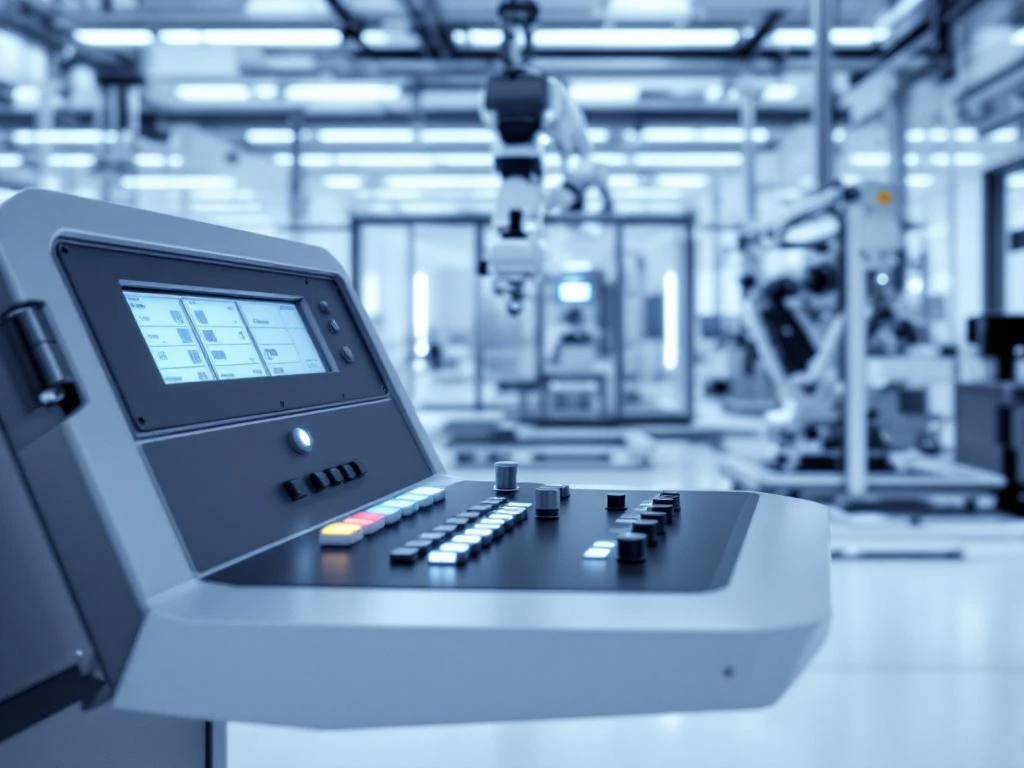
PLCs are ruggedised industrial computers that control manufacturing equipment by reading input signals, processing programmed logic, and sending output commands to motors, valves, and other devices. They replace traditional relay-based control systems with flexible, programmable solutions that can adapt to changing production requirements.
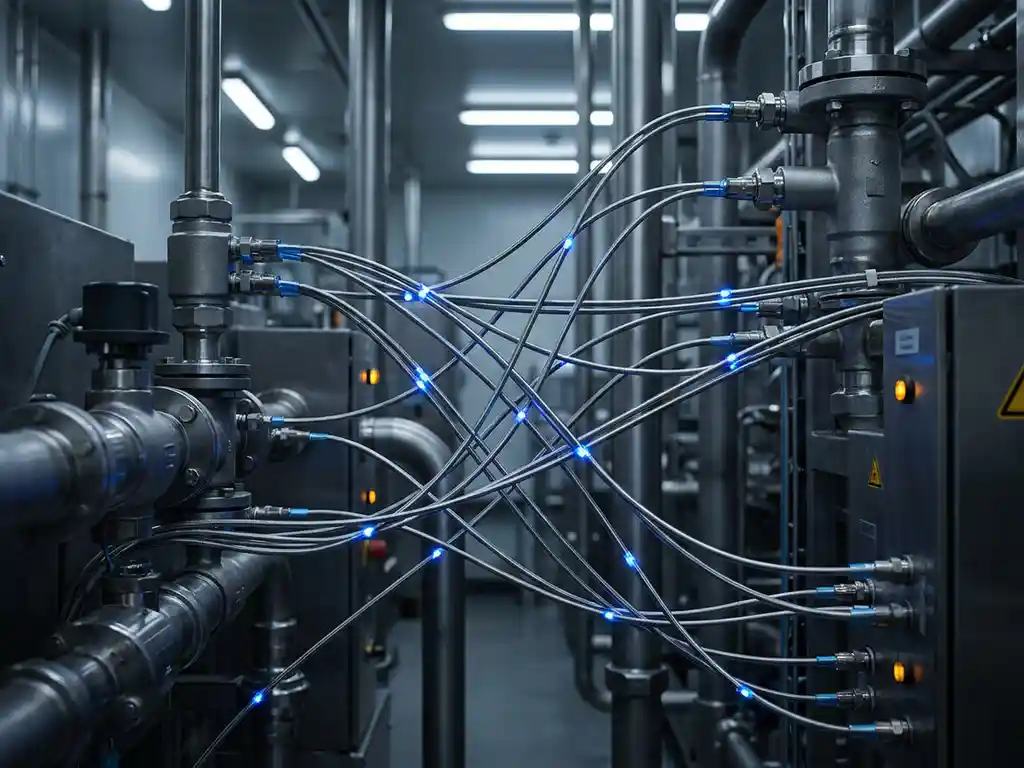
These controllers operate through a continuous scan cycle, constantly monitoring sensor inputs such as temperature, pressure, and position feedback. The PLC compares these real-time conditions against programmed parameters and immediately adjusts outputs to maintain optimal process control. This rapid response capability ensures manufacturing processes stay within specified tolerances.
In manufacturing environments, PLCs coordinate complex sequences involving multiple machines, conveyor systems, and quality control stations. They manage timing relationships between different production stages, ensuring materials move through the manufacturing process at the correct pace while maintaining safety interlocks that protect both equipment and personnel.
Why do modern factories depend on PLCs for daily operations?
Modern factories rely on PLCs because they provide real-time process control that ensures consistent product quality and maintains critical safety protocols. Without PLCs, manufacturing operations would require extensive manual oversight and would lose the precise timing essential for efficient production flows.
PLCs enable continuous monitoring of production parameters, automatically adjusting processes when conditions deviate from optimal ranges. This constant vigilance prevents quality issues before they occur and maintains the tight tolerances required in modern manufacturing. The controllers also implement safety systems that immediately shut down equipment when dangerous conditions are detected.
When PLC systems fail, production lines typically halt completely, highlighting their critical role in daily operations. These failures can cost thousands of pounds per hour in lost production, making reliable PLC systems and proper maintenance programmes essential for manufacturing competitiveness. The dependency extends beyond basic control to include data logging, alarm management, and integration with quality assurance systems.
How do PLCs improve manufacturing efficiency and reduce costs?
PLCs dramatically improve manufacturing efficiency by eliminating manual processes, reducing human error, and optimising production timing through precise automation control. They enable predictive maintenance strategies that prevent unexpected equipment failures while minimising labour costs through automated operation sequences.
The cost-reduction benefits include decreased waste through consistent process control, reduced energy consumption via optimised equipment operation, and lower labour requirements for routine production tasks. PLCs also enable faster changeovers between different products by storing multiple production recipes that can be recalled instantly.
Operational cost savings extend to quality control, where PLCs prevent defective products from progressing through expensive manufacturing stages. They provide detailed production data that helps identify inefficiencies and optimisation opportunities. The ability to run lights-out production during off-hours further maximises asset utilisation while controlling labour costs.
What happens when PLCs integrate with other factory systems?
PLC integration with Manufacturing Execution Systems (MES), SCADA networks, and enterprise systems creates comprehensive manufacturing intelligence that transforms raw production data into actionable business insights. This connectivity enables real-time visibility across entire production operations and facilitates data-driven decision-making.
Integration allows PLCs to share production data with higher-level systems that track overall equipment effectiveness, schedule maintenance activities, and manage inventory levels. The connected systems can automatically adjust production schedules based on demand changes or equipment performance, creating responsive manufacturing operations.
We specialise in creating these integrated process automation solutions that connect shop-floor control with enterprise systems. The result is seamless information flow from individual sensors through PLCs to management dashboards, enabling comprehensive process optimisation. This integration capability transforms manufacturing operations from isolated production cells into coordinated, intelligent manufacturing systems that adapt quickly to changing business requirements.
PLCs represent the foundation of modern manufacturing automation, providing the reliable control, safety, and integration capabilities that enable efficient production operations. Their importance continues to grow as manufacturing becomes increasingly automated and data-driven, making proper PLC implementation essential for competitive manufacturing operations.