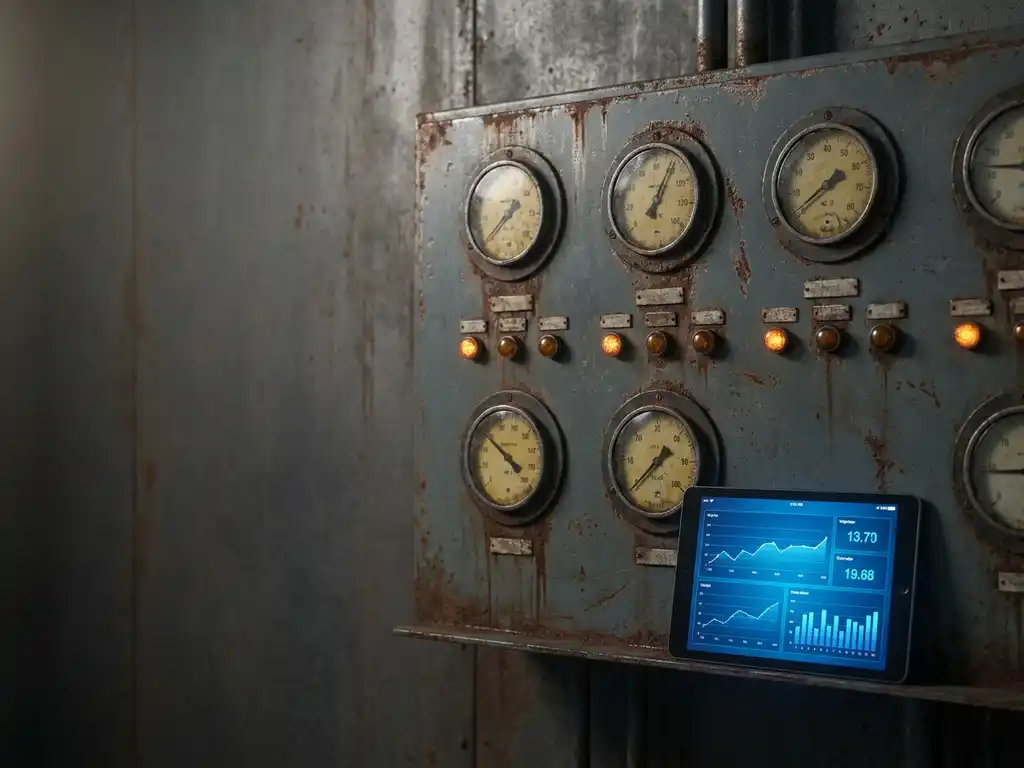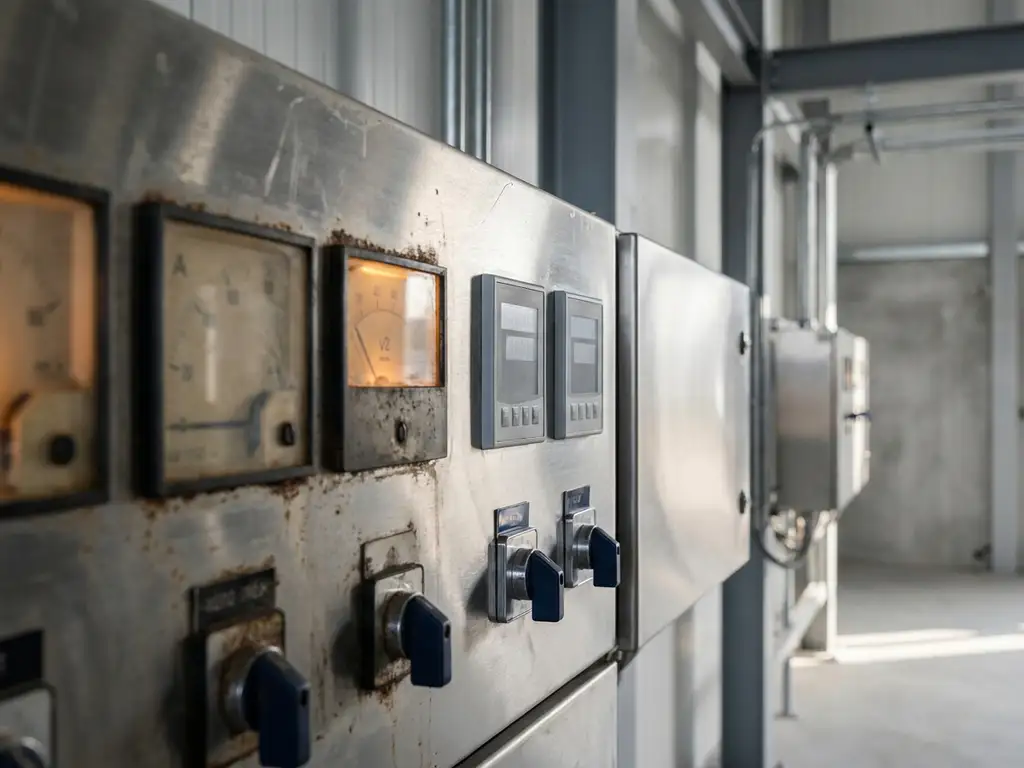


Plant care quality in industrial automation refers to the systematic measurement and maintenance of equipment, processes, and systems to ensure optimal performance and reliability. It encompasses monitoring equipment health, maintaining operational standards, and preventing costly downtime through proactive maintenance strategies. Effective measurement involves tracking key performance indicators, implementing monitoring systems, and using data-driven approaches to maintain consistent production output.
What is plant care quality and why does it matter in industrial automation?
Plant care quality represents a comprehensive approach to maintaining industrial equipment and processes at optimal performance levels through systematic monitoring, maintenance, and improvement strategies. It encompasses equipment reliability, process efficiency, safety compliance, and operational excellence across all plant systems.
The importance of plant care quality extends beyond basic maintenance. Poor plant care quality can result in unexpected equipment failures, production delays, safety incidents, and significant financial losses. A single unplanned shutdown can cost manufacturers thousands of pounds per hour in lost production, making quality measurement essential for sustainable operations.
Modern industrial facilities rely on complex, interconnected systems where the failure of one component can cascade throughout the entire operation. Plant care quality ensures these systems operate within specified parameters, maintaining product quality, meeting regulatory requirements, and protecting valuable equipment investments. It also supports predictive maintenance strategies that identify potential issues before they become costly problems.
What are the key metrics used to measure plant care quality?
Essential plant care quality metrics include equipment uptime percentages, mean time between failures (MTBF), maintenance response times, energy efficiency ratios, and overall equipment effectiveness (OEE). These indicators provide comprehensive insights into plant health and operational performance.
Equipment uptime measures the percentage of time systems operate without unplanned interruptions. Most industrial facilities target uptime levels above 95%, though this varies by industry and equipment criticality. Maintenance response times track how quickly teams address issues, with emergency responses typically requiring resolution within hours.
Energy efficiency ratios compare actual energy consumption against theoretical optimal usage, highlighting opportunities for improvement. Process quality metrics monitor product consistency, waste levels, and compliance with specifications. Safety indicators track incident rates, near misses, and compliance with safety protocols.
Additional metrics include vibration levels, temperature variations, pressure readings, and fluid quality measurements. These parameters provide early warning signs of potential equipment problems, enabling proactive intervention before failures occur.
How do you implement effective quality measurement systems in industrial plants?
Implementing effective quality measurement systems requires a structured approach beginning with a comprehensive equipment assessment, followed by sensor installation, data collection infrastructure setup, and the establishment of monitoring protocols with automated reporting capabilities.
Begin by conducting a thorough audit of existing equipment and identifying critical measurement points. Install appropriate sensors for temperature, pressure, vibration, flow rates, and other relevant parameters. These sensors must be properly calibrated and positioned to provide accurate, representative data.
Establish a robust data collection infrastructure that can handle real-time information from multiple sources. This includes network connectivity, data storage systems, and processing capabilities. Monitoring protocols should define normal operating ranges, alert thresholds, and escalation procedures for different types of issues.
Create automated reporting systems that generate regular performance summaries, trend analyses, and exception reports. These systems should present information in formats that enable quick decision-making by operations teams, maintenance personnel, and management.
What tools and technologies are essential for measuring plant care quality?
Essential technologies for measuring plant care quality include SCADA (Supervisory Control and Data Acquisition) systems, IoT sensors, predictive maintenance software, data analytics platforms, and integrated automation solutions that provide comprehensive monitoring capabilities.
SCADA systems serve as the central nervous system for plant monitoring, collecting data from distributed sensors and providing real-time visibility into plant operations. These systems enable remote monitoring, alarm management, and historical data analysis.
IoT sensors provide granular monitoring of equipment conditions, measuring parameters like vibration, temperature, acoustic emissions, and electrical signatures. Wireless sensor networks reduce installation costs while providing flexibility in monitoring point placement.
Predictive maintenance software analyses sensor data to identify patterns indicating potential equipment failures. These tools use machine learning algorithms to improve prediction accuracy over time. Data analytics platforms process large volumes of operational data to identify trends, optimisation opportunities, and performance benchmarks.
Integration platforms connect various systems and data sources, providing unified dashboards and enabling automated responses to changing conditions. These solutions ensure all plant care quality information is accessible and actionable.
How do you interpret and act on plant care quality data?
Interpreting plant care quality data involves analysing trends, comparing performance against established benchmarks, identifying anomalies, and translating insights into specific maintenance actions and operational improvements that prevent problems and optimise performance.
Start by establishing baseline performance levels for all monitored parameters. Compare current readings against these baselines to identify deviations that may indicate developing problems. Trend analysis reveals gradual changes that might not trigger immediate alarms but suggest equipment degradation over time.
Set appropriate threshold levels for different types of alerts. Critical thresholds require an immediate response, while warning levels indicate conditions that need monitoring or scheduled intervention. Configure escalation procedures to ensure the right personnel receive notifications based on issue severity and response requirements.
Translate data insights into actionable maintenance schedules, operational adjustments, and improvement projects. Use historical data to optimise maintenance intervals, identify recurring issues, and plan equipment replacements. Regular review of quality metrics helps refine monitoring strategies and improve overall plant performance.
How CoNet helps with plant care quality measurement
We specialise in implementing comprehensive plant care quality measurement systems using advanced Siemens automation solutions, providing end-to-end support from initial assessment through ongoing optimisation to ensure your industrial operations achieve maximum reliability and performance.
Our approach to plant care quality measurement includes:
- PCS 7 integration for centralised monitoring and control of all plant systems
- Custom sensor networks and data collection infrastructure design
- Predictive maintenance system implementation and configuration
- Real-time dashboards and automated reporting solutions
- 24/7 monitoring and support services for continuous plant care quality assurance
- Training programmes for your operations and maintenance teams
Our certified specialists work with you to develop tailored quality measurement strategies that align with your specific operational requirements and industry standards. We provide ongoing support to ensure your systems continue delivering optimal results as your operations evolve.
Ready to improve your plant care quality measurement capabilities? Contact our specialists to discuss how we can help optimise your industrial automation systems for maximum reliability and performance.
Related Articles
- What is the role of IoT sensors in modern batch control systems?
- What makes a reliable DCS batch control strategy for regulated industries
- How do you train workers for automated manufacturing environments?
- How do you choose the right PLC for your application?
- How do PLCs control manufacturing processes?