
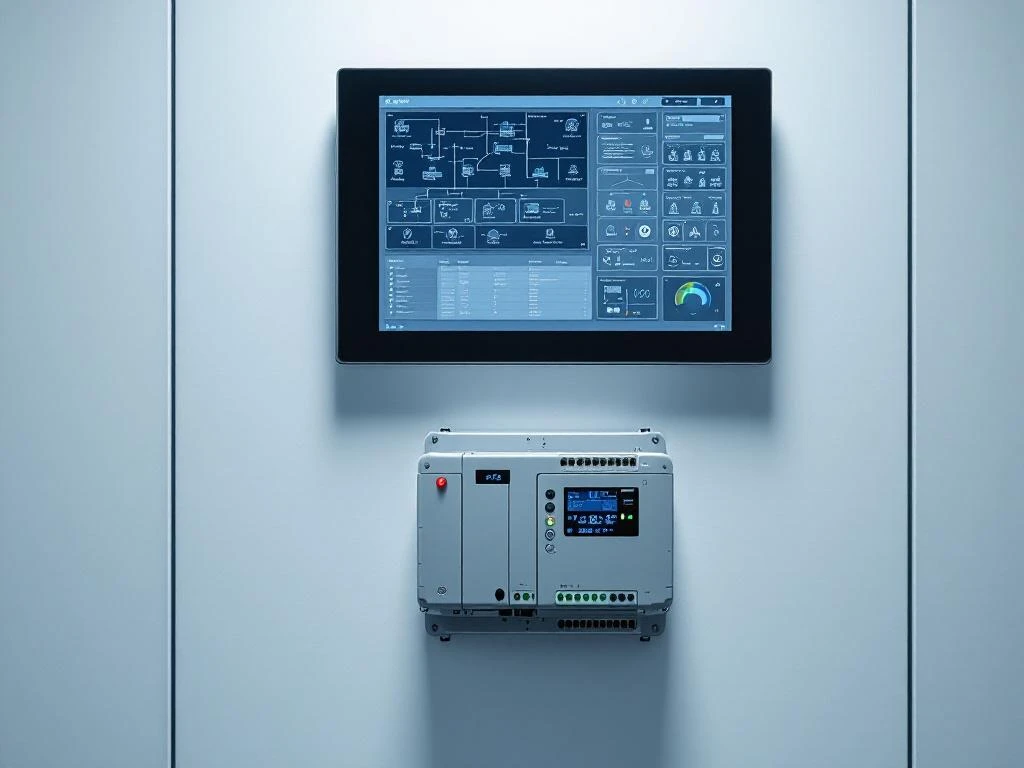
PLCs (Programmable Logic Controllers) are hardware devices that control individual machines or processes, while SCADA (Supervisory Control and Data Acquisition) systems are software platforms that monitor and manage multiple PLCs across entire facilities. PLCs handle direct equipment control, whereas SCADA provides centralized oversight, data collection, and human-machine interfaces for comprehensive process management.
What is the fundamental difference between PLCs and SCADA systems?
PLCs are physical control devices that execute real-time automation tasks for specific equipment or processes. They operate independently, making split-second decisions based on programmed logic and sensor inputs. SCADA systems function as supervisory software that collects data from multiple PLCs, providing operators with centralized monitoring and control capabilities.
The operational scope differs significantly between these systems. A PLC controls individual machines or small process units, managing inputs such as sensors and controlling outputs such as motors or valves. It operates continuously, even when disconnected from other systems, ensuring reliable local control.
SCADA systems operate at a higher level, gathering information from numerous PLCs throughout a facility. They present this data through graphical interfaces, generate reports, manage alarms, and allow operators to adjust setpoints remotely. SCADA provides the human-machine interface that makes complex industrial processes manageable.
In terms of processing capability, PLCs excel at fast, deterministic control loops requiring millisecond response times. SCADA systems focus on data presentation, trending, and operator interaction, typically updating every few seconds rather than milliseconds.
How do PLCs and SCADA systems work together in modern factories?
PLCs and SCADA systems form an integrated hierarchy in which PLCs handle direct equipment control while SCADA provides supervisory oversight and data management. This collaboration creates comprehensive automation solutions that combine reliable local control with centralized monitoring and management capabilities.
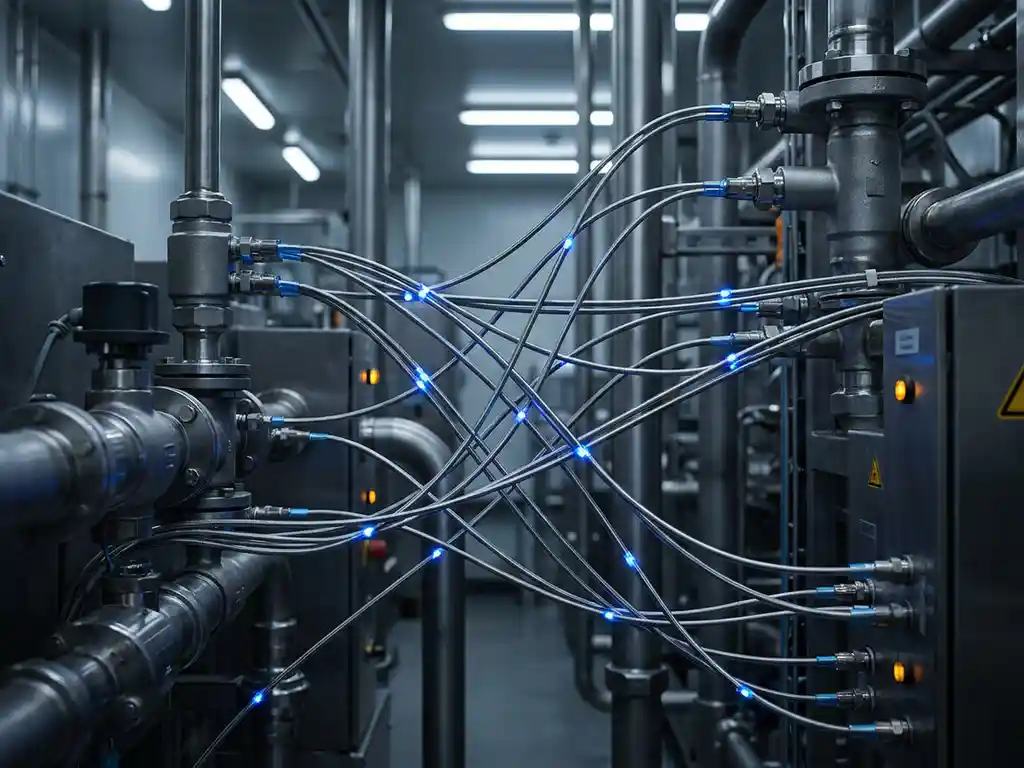
The data flow typically moves from field devices to PLCs, then upward to SCADA systems through industrial communication networks. PLCs collect sensor data, execute control algorithms, and send status information to SCADA. The SCADA system aggregates this information from multiple PLCs, presenting it through unified operator interfaces.
Communication protocols such as Ethernet/IP, Modbus, or PROFINET enable seamless data exchange between these systems. PLCs maintain autonomous operation even if SCADA communication fails, ensuring continuous production. Meanwhile, SCADA systems can send setpoint changes or operational commands down to individual PLCs when adjustments are needed.
This integration enables advanced functionality such as recipe management, where SCADA systems download production parameters to multiple PLCs simultaneously. Historical data collection allows for process optimization and regulatory compliance, while alarm management ensures operators receive timely notifications about process deviations across the entire facility.
Which system should you choose for your manufacturing operation?
Choose standalone PLCs for simple, single-machine applications or small facilities with minimal operator interface requirements. Implement SCADA systems when you need centralized monitoring of multiple processes, comprehensive data logging, or complex operator interfaces for facility-wide control.
Facility size plays a crucial role in this decision. Operations with fewer than five control points often function effectively with individual PLCs and basic operator panels. Larger facilities with dozens of control loops benefit significantly from SCADA systems that consolidate information and reduce operator workload.
Consider your data requirements carefully. If you need historical trending, production reporting, or regulatory compliance documentation, SCADA systems provide essential capabilities that standalone PLCs cannot match. Simple on/off control applications may not justify SCADA investment.
Budget considerations extend beyond initial costs. While PLCs require lower upfront investment, managing multiple standalone systems becomes expensive as facilities grow. SCADA systems have higher initial costs but provide better scalability and reduced long-term operational expenses.
Operator skill levels also influence this choice. PLCs with basic panels suit environments with limited technical staff. SCADA systems require more sophisticated operator training but provide more powerful diagnostic and troubleshooting capabilities.
What are the cost implications of implementing PLCs versus SCADA systems?
PLC implementations typically cost £2,000–£15,000 per control point, including hardware, programming, and installation. SCADA systems require an additional investment of £10,000–£50,000 for software licences, servers, and development, but this cost is spread across multiple control points, reducing per-point expenses in larger installations.
Initial hardware costs favour PLCs for small applications. A basic PLC with I/O modules costs significantly less than a complete SCADA system with servers, software licences, and operator stations. However, this advantage diminishes as system complexity increases.
Ongoing maintenance expenses differ substantially between approaches. PLC-based systems require individual attention for updates, backups, and troubleshooting across multiple devices. SCADA systems centralise these activities, reducing maintenance time and costs despite higher software licence fees.
Training requirements impact long-term costs considerably. PLC programming and maintenance require specialised skills for each device type. SCADA systems need more comprehensive initial training but provide standardised interfaces that reduce ongoing training needs as staff changes occur.
Consider total cost of ownership over five to ten years. While PLCs have lower entry costs, SCADA systems often provide better value in facilities with more than ten control points due to reduced engineering, maintenance, and operational expenses.
How do you know when it’s time to upgrade from PLCs to SCADA?
Upgrade to SCADA when managing multiple PLCs becomes time-consuming, when you need comprehensive data logging and reporting, or when operators struggle to monitor processes effectively across your facility. Key indicators include difficulty troubleshooting problems, inability to track production trends, or regulatory requirements for detailed documentation.
Scalability challenges often signal the need for SCADA implementation. If adding new equipment requires significant integration effort, or if coordinating operations between multiple PLCs becomes complex, SCADA systems provide the infrastructure for seamless expansion.
Data requirements frequently drive SCADA adoption. When you need historical trending, production reporting, energy monitoring, or quality tracking across multiple processes, standalone PLCs cannot provide adequate data management capabilities.
Operational complexity thresholds vary by industry, but facilities with more than five interconnected processes typically benefit from SCADA oversight. If operators spend excessive time walking between multiple control panels, or if process coordination requires constant manual intervention, centralized SCADA control improves efficiency.
Regulatory compliance often necessitates SCADA implementation. Industries requiring detailed audit trails, batch records, or environmental monitoring need the comprehensive data logging and reporting capabilities that SCADA systems provide. We help manufacturers evaluate these requirements and design scalable process automation solutions that grow with their operational needs.