
PLC troubleshooting involves systematic diagnostic methods to identify and resolve issues in programmable logic controllers. Common approaches include checking power supplies, examining I/O connections, analyzing error codes, testing communication networks, and verifying program logic. Effective troubleshooting requires proper tools, methodical procedures, and an understanding of typical failure patterns in industrial automation systems.
What are the most common PLC problems that require troubleshooting?
The most frequent PLC issues include communication failures, I/O malfunctions, power supply problems, programming errors, and hardware component failures. Communication problems account for roughly half of all PLC-related issues, followed by input/output module malfunctions and power-related complications that disrupt normal operation.
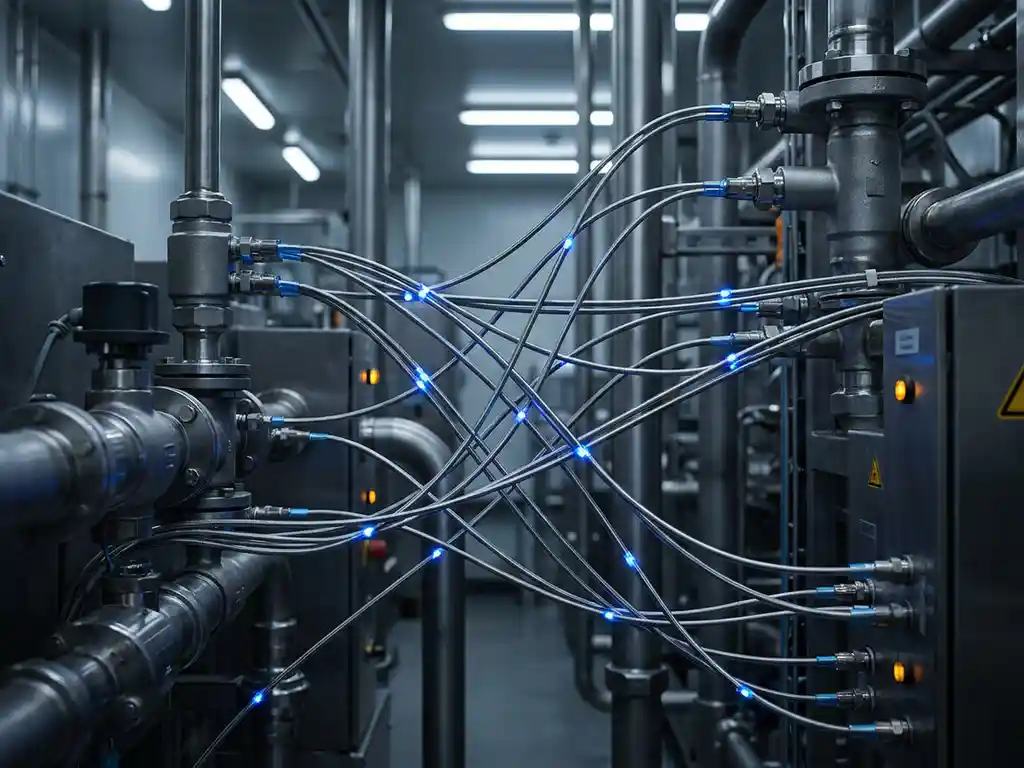
Communication failures typically manifest as lost connections between the PLC and human-machine interfaces, remote I/O modules, or networked devices. These problems often stem from network cable damage, incorrect protocol settings, or electromagnetic interference affecting signal transmission.
I/O malfunctions present as inputs failing to register signals or outputs not responding to commands. Common causes include blown fuses, damaged wiring, faulty sensors, or module hardware failures. Power supply issues range from complete power loss to voltage fluctuations that cause erratic behavior.
Programming errors occur when logic does not execute as intended, often due to incorrect addressing, timing issues, or faulty conditional statements. Hardware component failures affect processors, memory modules, or communication cards, requiring replacement or repair.
How do you systematically diagnose PLC issues in industrial systems?
Systematic PLC diagnosis follows a structured approach: initial visual inspection, error code analysis, signal verification, communication testing, and methodical elimination of potential causes. This methodology ensures efficient problem identification while minimizing downtime and avoiding unnecessary component replacement.
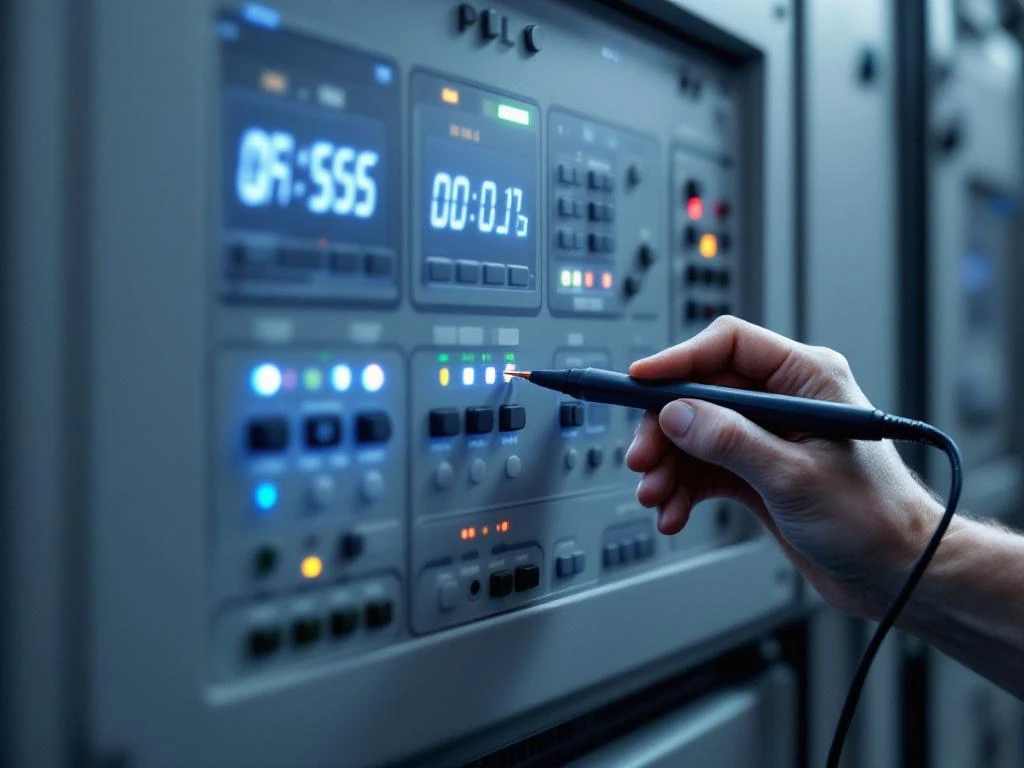
Begin with a comprehensive visual inspection of the PLC cabinet, checking for obvious signs of damage, loose connections, blown fuses, or indicator lights showing fault conditions. Document any abnormal observations before proceeding with electronic testing.
Analyze error codes displayed on the PLC or programming software, as these provide direct insight into system faults. Cross-reference codes with manufacturer documentation to understand specific failure modes and recommended corrective actions.
Verify signal integrity by testing inputs and outputs individually. Use forcing functions in the programming software to isolate whether problems exist in field devices, wiring, or the I/O modules themselves.
Test communication networks systematically, starting with physical connections and progressing to protocol-level diagnostics. Monitor network traffic and response times to identify bottlenecks or failed nodes affecting overall system performance.
What tools and equipment are essential for effective PLC troubleshooting?
Essential PLC troubleshooting tools include digital multimeters, programming software, communication analyzers, oscilloscopes, and specialized diagnostic equipment. A quality digital multimeter serves as the primary instrument for voltage, current, and continuity measurements throughout the troubleshooting process.
Programming software provides access to real-time system status, allowing technicians to monitor variable values, force outputs, and analyze program execution. Most manufacturers offer diagnostic features within their programming environments for comprehensive system analysis.
Communication analyzers help diagnose network-related issues by monitoring data transmission, identifying protocol errors, and measuring network performance metrics. These tools prove invaluable when dealing with complex distributed control systems.
Oscilloscopes enable detailed signal analysis, particularly useful for examining communication signals, checking signal timing, and identifying electrical noise that might interfere with proper operation.
Additional equipment includes insulation testers for checking cable integrity, network cable testers for verifying physical connections, and portable computers loaded with relevant programming software for field diagnostics.
Why do PLC communication errors occur and how can you fix them?
PLC communication errors result from network configuration problems, physical connection faults, protocol mismatches, or electromagnetic interference. These issues disrupt data exchange between devices, causing system malfunctions and operational delays that require systematic troubleshooting approaches.
Network configuration problems occur when device addresses conflict, communication parameters do not match between connected devices, or network topology exceeds recommended specifications. Verify that each device has a unique address and consistent communication settings.
Physical connection faults include damaged cables, loose terminations, or incorrect wiring. Inspect all connections visually and test cable continuity using appropriate instruments. Replace damaged cables and ensure proper termination resistance where required.
Protocol mismatches happen when devices attempt to communicate using incompatible communication standards or different protocol versions. Confirm that all network devices support the same communication protocol and version.
Electromagnetic interference from motors, drives, or welding equipment can corrupt communication signals. Implement proper cable shielding, maintain separation between power and communication cables, and consider using fiber-optic connections in high-noise environments. Our process automation solutions address these challenges through comprehensive system design and implementation support.
Effective PLC troubleshooting combines systematic methodology with proper tools and an understanding of common failure modes. Regular maintenance and monitoring help prevent many issues before they impact production operations.