
Industrial automation significantly improves manufacturing efficiency by replacing manual processes with automated systems that operate faster, more accurately, and with greater consistency. Modern automation technologies reduce production time, minimise errors, and optimise resource utilisation whilst maintaining precise quality control. These improvements translate directly into increased output, lower operational costs, and enhanced competitiveness in today’s manufacturing landscape.
What is industrial automation and why does it matter for manufacturing?
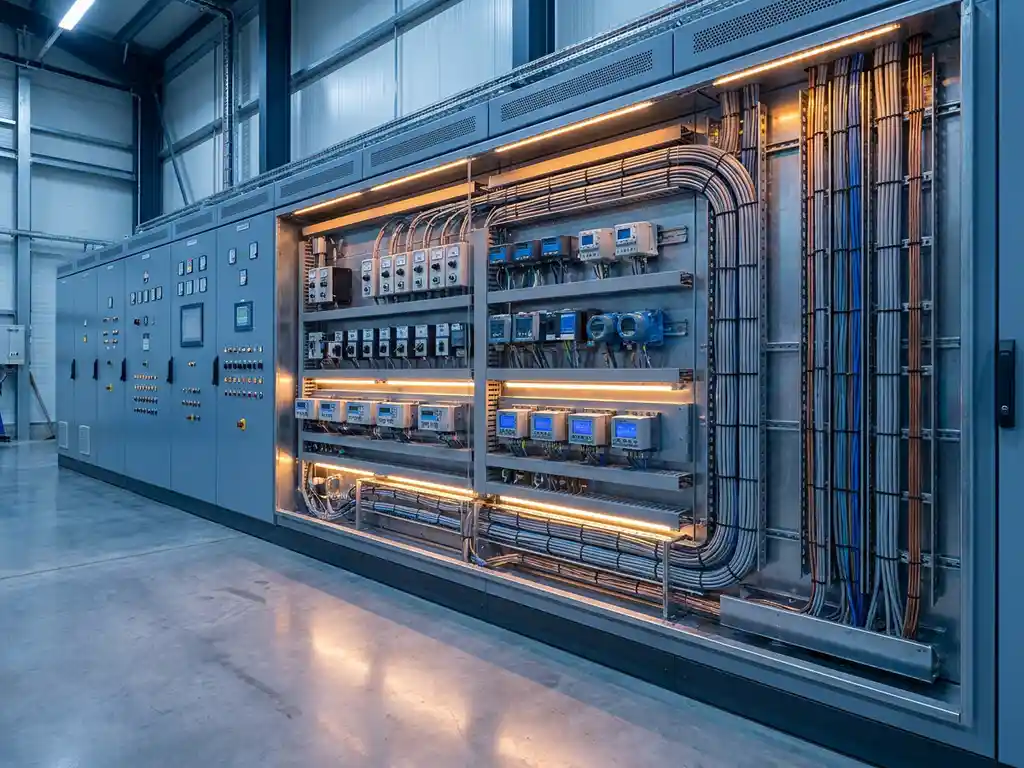
Industrial automation is the use of control systems, sensors, and machinery to operate manufacturing processes with minimal human intervention. It encompasses programmable logic controllers (PLCs), human-machine interfaces (HMIs), supervisory control systems, and robotic equipment working together to manage production workflows.
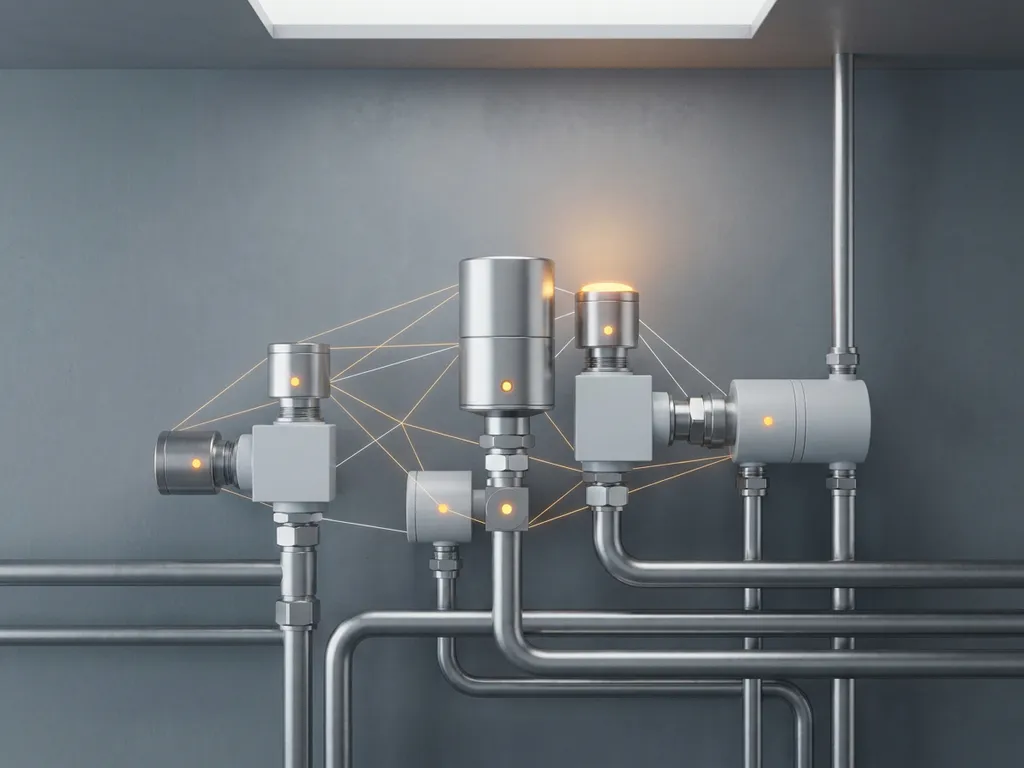
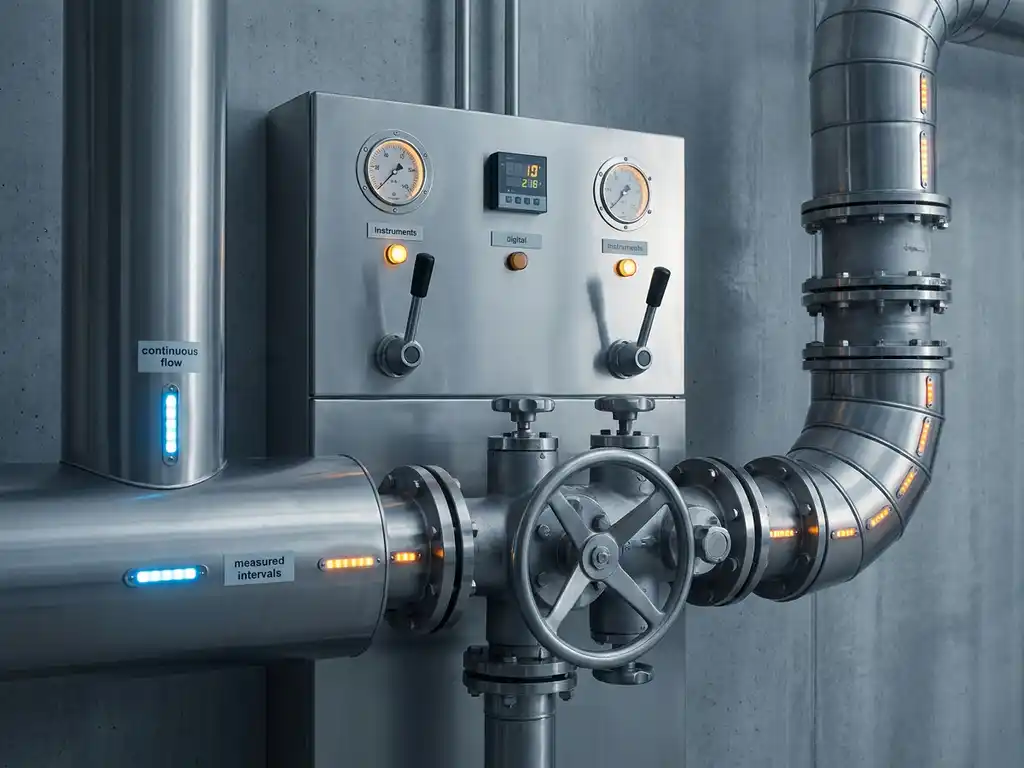
The core components of industrial automation include control systems that manage process parameters, sensors that monitor conditions and quality, actuators that execute physical operations, and communication networks that connect all elements. These systems work continuously to maintain optimal production conditions whilst collecting valuable data for process improvement.
Modern manufacturing competitiveness depends heavily on automation because it enables consistent quality control and operational efficiency that manual processes cannot match. Automated systems maintain precise specifications regardless of production volume, ensure regulatory compliance, and provide the flexibility needed to adapt quickly to changing market demands.
How does automation reduce manufacturing costs and waste?
Automation reduces manufacturing costs through multiple mechanisms: decreased labour requirements for routine tasks, minimised material waste through precise control, lower energy consumption via optimised processes, and elimination of costly human errors that can damage products or equipment.
Labour cost reduction occurs as automated systems handle repetitive, dangerous, or precision-critical tasks more efficiently than manual workers. This allows human resources to focus on higher-value activities such as quality analysis, maintenance planning, and process improvement whilst reducing overtime expenses and workplace injury costs.
Material waste reduction happens through precise process control that maintains optimal parameters consistently. Automated systems measure and adjust variables in real time, preventing overuse of raw materials, reducing defect rates, and minimising rework requirements. Energy consumption decreases as systems operate only when needed and maintain optimal efficiency levels.
What are the key efficiency improvements automation brings to production lines?
Automation delivers efficiency improvements through faster production cycles, consistent quality output, reduced downtime via predictive maintenance, and improved resource utilisation across all manufacturing operations. These benefits compound to create substantial productivity gains.
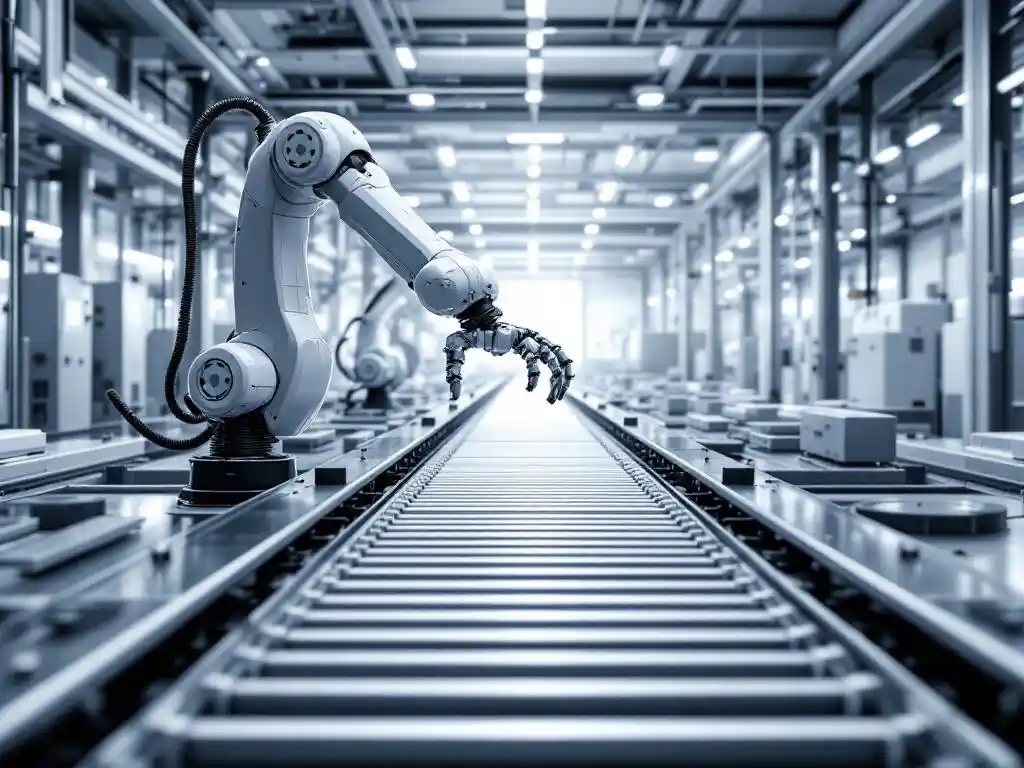
Production cycle acceleration occurs because automated systems operate continuously without breaks, fatigue, or variability in performance. Machines can work 24/7 whilst maintaining consistent speed and accuracy, dramatically increasing throughput compared to manual operations.
Quality consistency improves as automated systems eliminate human variability in critical processes. Every product receives identical treatment, ensuring uniform specifications and reducing quality control issues. Predictive maintenance capabilities prevent unexpected breakdowns by monitoring equipment condition and scheduling maintenance before failures occur, maximising uptime and production reliability.
How do modern control systems integrate with existing manufacturing processes?
Modern control systems integrate with existing manufacturing processes through flexible communication protocols, modular design approaches, and compatibility layers that connect new automation technology with legacy equipment. This integration maintains operational continuity whilst adding advanced capabilities.
Integration approaches include using industrial communication standards such as Ethernet/IP, Profinet, or OPC-UA that allow different systems to share data seamlessly. Modern controllers can interface with older equipment through protocol converters and gateway devices, preserving existing investments whilst enabling new functionality.
Data connectivity between automation layers creates comprehensive visibility from field devices to enterprise systems. This enables seamless workflow optimisation, where production scheduling, quality management, and maintenance systems work together using shared real-time information. The result is coordinated operations that respond quickly to changing conditions or requirements.
What challenges should manufacturers expect when implementing automation?
Manufacturers implementing automation face challenges including significant initial investment costs, workforce training requirements, system integration complexities, and change management considerations. Understanding these challenges helps ensure successful automation adoption.
Initial investment costs encompass not only equipment purchase but also installation, commissioning, and integration expenses. These upfront costs require careful financial planning and ROI analysis to justify the investment, particularly for smaller manufacturers with limited capital resources.
Workforce training becomes essential as employees need new skills to operate, maintain, and troubleshoot automated systems. This includes technical training on specific equipment and broader education on working alongside automated processes. Change management considerations involve addressing employee concerns about job security and helping teams adapt to new workflows and responsibilities.
Hoe CoNet helpt bij industriële automatisering
CoNet specialises in Siemens automation solutions that deliver comprehensive manufacturing efficiency improvements through expert engineering, implementation, and support services. Our single-brand strategy ensures seamless integration and optimal performance across all automation components.
Our services include:
- PCS 7 process automation system design and implementation
- Integration of control systems with existing manufacturing processes
- 24/7 industrial support and maintenance services
- Digital grid solutions for energy management
- Comprehensive training and change management support
As certified Siemens specialists, we provide the technical expertise and industry knowledge needed to maximise your automation investment. Our team handles every aspect of your project, from initial consultation through ongoing maintenance, ensuring your manufacturing operations achieve optimal efficiency and reliability. Contact us to discuss how industrial automation can transform your manufacturing processes.