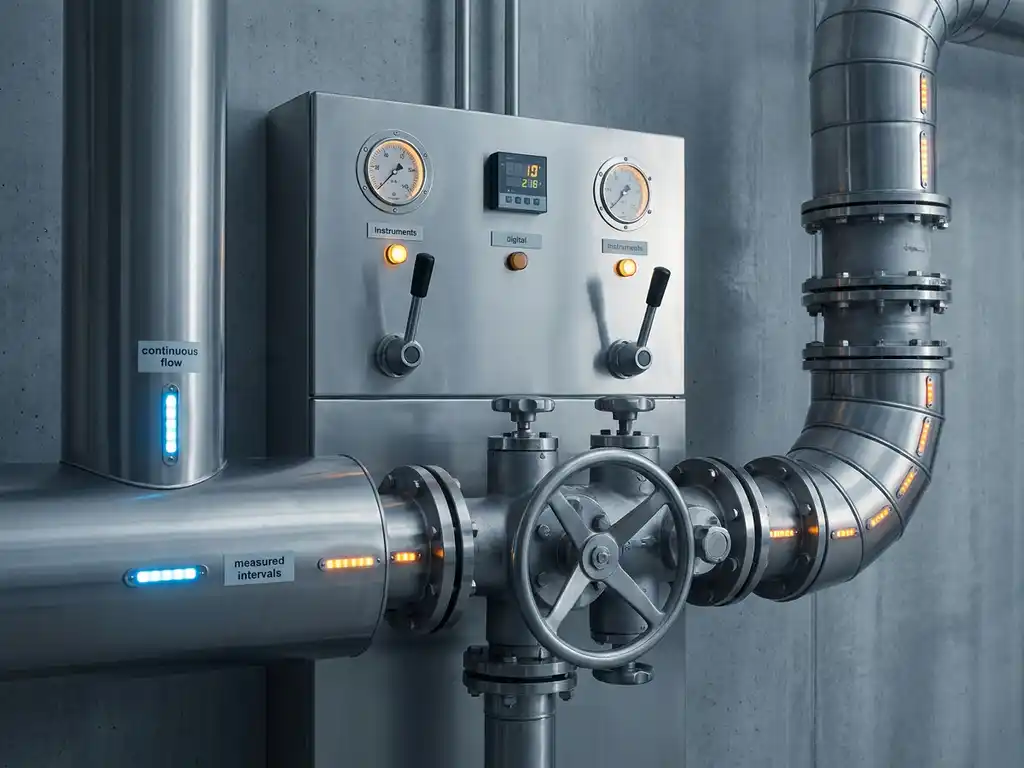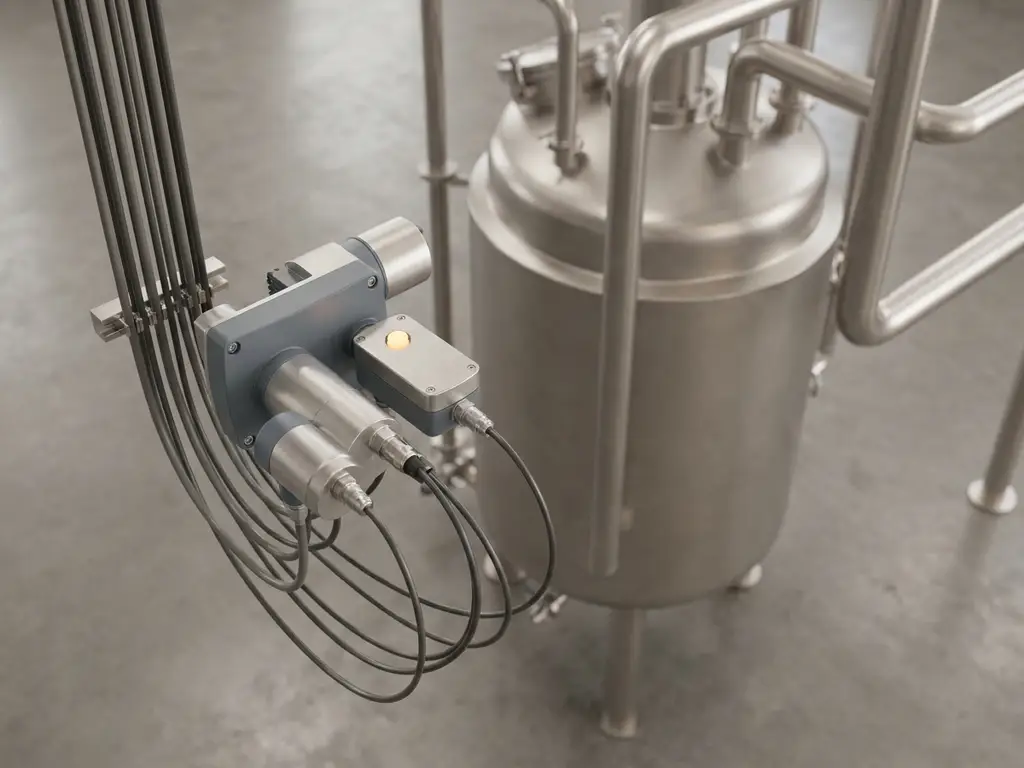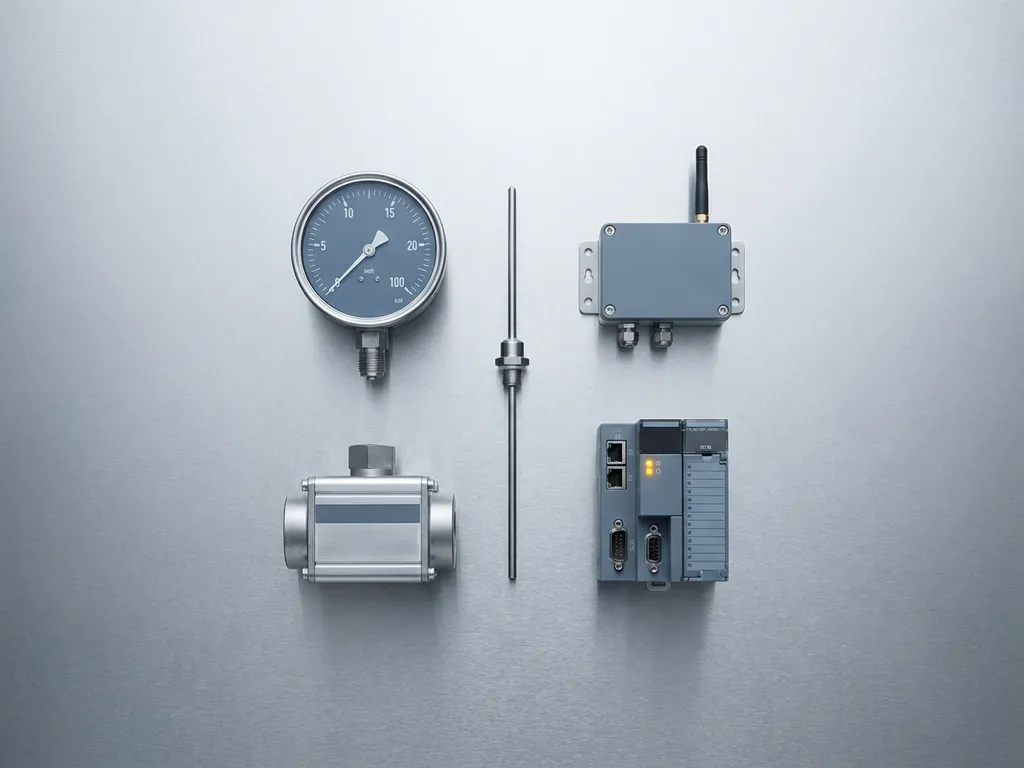


Predictive plant care uses advanced equipment to monitor industrial systems and predict maintenance needs before failures occur. Essential equipment includes vibration sensors, temperature monitors, pressure gauges, condition monitoring systems, diagnostic software platforms, and portable inspection tools. This comprehensive approach transforms traditional maintenance from reactive repairs to proactive plant care strategies.
What is predictive plant care and why is it essential for modern manufacturing?
Predictive plant care is a maintenance strategy that uses data analysis and monitoring equipment to predict when industrial equipment will need maintenance before failure occurs. Unlike reactive maintenance (fixing equipment after breakdown) or preventive maintenance (scheduled regardless of condition), predictive maintenance relies on real-time equipment condition data to determine optimal maintenance timing.
This approach is essential for modern manufacturing because it dramatically reduces unexpected downtime, which can cost manufacturers thousands of pounds per hour. Equipment operates longer and more efficiently when maintained based on actual condition rather than arbitrary schedules. The strategy also optimizes maintenance costs by preventing unnecessary repairs while catching problems before they cause catastrophic failures.
Modern manufacturing environments face increasing pressure to maintain continuous operation while managing complex automated systems. Predictive plant care enables manufacturers to achieve higher equipment reliability, extend asset lifecycles, and maintain competitive operational efficiency in demanding industrial environments.
What types of sensors are used for predictive maintenance monitoring?
Industrial predictive maintenance relies on several sensor technologies that monitor different equipment parameters. Vibration sensors detect mechanical issues such as bearing wear, misalignment, and imbalance in rotating machinery. Temperature sensors identify overheating conditions that often precede equipment failures in motors, bearings, and electrical components.
Pressure sensors monitor hydraulic and pneumatic systems for leaks, blockages, or component degradation. Flow sensors track fluid movement through pipes and systems, detecting restrictions or pump performance issues. Acoustic emission sensors capture high-frequency sound waves that indicate crack formation, friction, or other mechanical stress conditions that are invisible to other monitoring methods.
Additional sensor types include current sensors for electrical system monitoring, oil analysis sensors for contamination detection, and ultrasonic sensors for detecting gas leaks or electrical arcing. Each sensor type provides specific insights into equipment health, and combining multiple sensor technologies creates a comprehensive monitoring system that captures various failure modes before they impact production.
How do condition monitoring systems collect and analyze plant data?
Condition monitoring systems use data acquisition units that collect sensor readings and transmit information through industrial communication protocols such as Profibus, EtherNet/IP, or wireless networks. Edge computing devices process data locally, filtering noise and identifying significant changes before sending relevant information to central monitoring platforms.
These systems employ sophisticated algorithms to establish baseline equipment behaviour patterns and detect deviations that indicate developing problems. Machine learning capabilities improve over time, becoming more accurate at distinguishing between normal operational variations and genuine fault conditions.
Centralized monitoring platforms aggregate data from multiple sources, creating comprehensive equipment health dashboards. The systems generate automated alerts when parameters exceed predetermined thresholds and provide trending analysis that helps maintenance teams understand equipment degradation patterns. This transforms raw sensor data into actionable maintenance insights that guide decision-making.
What software platforms are essential for predictive maintenance programs?
SCADA (Supervisory Control and Data Acquisition) systems form the foundation of most predictive maintenance programs, providing real-time monitoring and control capabilities. Historical data storage systems (historians) maintain long-term equipment performance records essential for trend analysis and pattern recognition.
Analytics software platforms process collected data using statistical analysis and machine learning algorithms to identify failure patterns and predict maintenance needs. These platforms often include visualization tools that present complex data in easily understood formats for maintenance teams and management.
Mobile applications enable field technicians to access equipment data, receive alerts, and update maintenance records from anywhere in the facility. Maintenance scheduling software integrates with predictive analytics to optimize work planning, ensuring maintenance occurs at optimal times while minimizing production disruption. Many modern platforms combine these functions into integrated predictive maintenance suites that streamline the entire process.
Which diagnostic tools help identify equipment problems before failure occurs?
Portable diagnostic equipment provides detailed equipment analysis beyond fixed monitoring systems. Thermal imaging cameras detect temperature variations that indicate electrical problems, mechanical friction, or insulation breakdown. These tools identify issues that are invisible to conventional inspection methods.
Ultrasonic detectors listen for high-frequency sounds that indicate bearing problems, steam leaks, electrical arcing, or compressed air leaks. Handheld vibration analyzers provide detailed frequency analysis of rotating equipment, pinpointing specific mechanical issues such as bearing defects or misalignment.
Oil analysis kits test lubricant condition and contamination levels, revealing internal component wear before visible damage occurs. Motor circuit analyzers evaluate electric motor health by testing insulation, connections, and rotor condition. These portable tools complement fixed monitoring systems, providing detailed diagnostic capabilities for thorough equipment assessment and verification of monitoring system alerts.
How CoNet helps with predictive plant care implementation
We specialise in implementing comprehensive predictive maintenance solutions using Siemens automation technology. Our expertise covers the complete spectrum of predictive plant care equipment and systems integration.
Our predictive maintenance services include:
- Siemens PCS 7 integration for seamless monitoring system connectivity
- COMOS asset management implementation for comprehensive equipment lifecycle tracking
- Sensor network design and installation across industrial facilities
- Custom analytics platform configuration tailored to specific operational needs
- 24/7 support services ensuring continuous system operation
As certified Siemens specialists, we understand how predictive maintenance equipment integrates with existing automation systems. Our team provides complete project support from initial assessment through implementation and ongoing optimisation.
Ready to transform your maintenance strategy with predictive plant care? Contact our specialists to discuss how we can implement the right predictive maintenance solution for your facility’s specific requirements and operational goals.