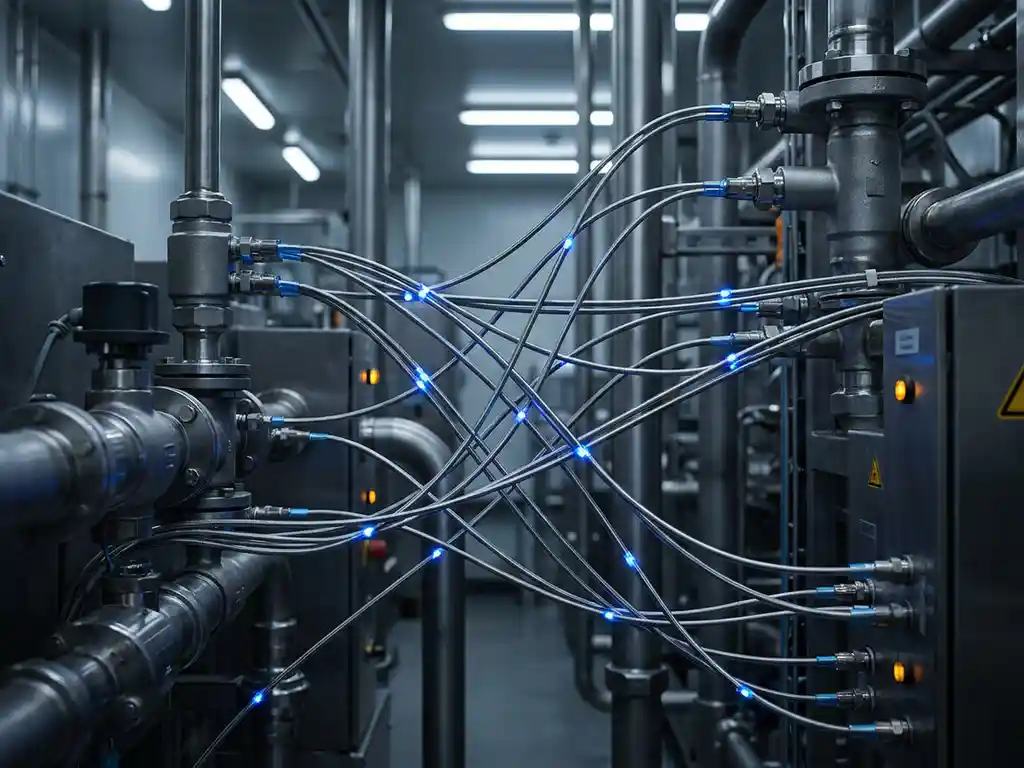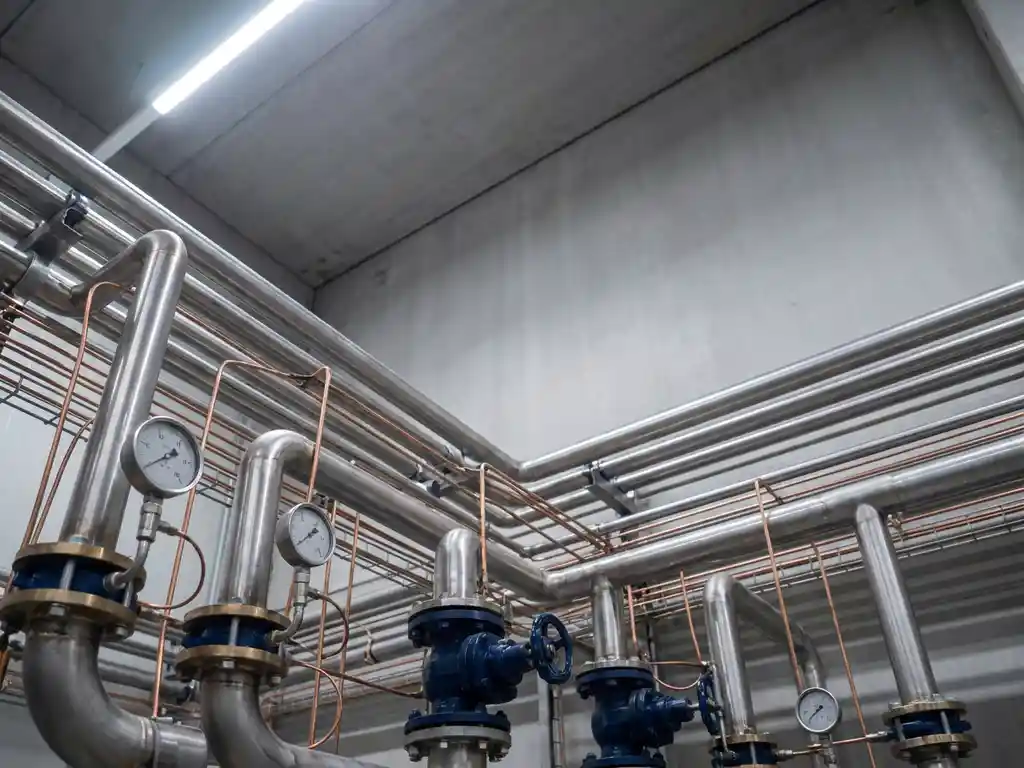


Plant pre-maintenance is a proactive maintenance strategy that uses data analysis, monitoring systems, and predictive technologies to prevent equipment failures before they occur. Unlike traditional reactive maintenance, which fixes problems after a breakdown, pre-maintenance identifies potential issues early through continuous monitoring and condition assessment. This approach, also known as predictive maintenance, transforms industrial plant care from emergency repairs to planned interventions.
What is plant pre-maintenance and how does it differ from traditional maintenance?
Plant pre-maintenance represents a fundamental shift from traditional maintenance approaches by using real-time data and analytics to predict when equipment will need attention. Traditional reactive maintenance waits for equipment to fail before taking action, leading to unexpected downtime and costly emergency repairs. Preventive maintenance follows scheduled intervals regardless of actual equipment condition, often resulting in unnecessary work or missed problems.
Pre-maintenance combines the best aspects of both approaches while eliminating their weaknesses. It monitors equipment continuously through sensors and data collection systems, analyzing performance patterns to predict optimal maintenance timing. This condition-based approach ensures maintenance happens exactly when needed, not too early or too late.
The key difference lies in the decision-making process. Traditional maintenance relies on fixed schedules or failure events, while pre-maintenance uses real-time equipment data to make informed decisions. This data-driven approach integrates seamlessly with modern automation systems, providing plant operators with actionable insights into equipment health and performance trends.
Why is pre-maintenance becoming essential in modern industrial operations?
Modern industrial operations face increasing pressure to maximize efficiency while minimizing costs and safety risks. Pre-maintenance addresses these challenges by reducing unplanned downtime, which can cost manufacturing facilities thousands of pounds per hour. Industry 4.0 technologies have made sophisticated monitoring systems more accessible and cost-effective than ever before.
Regulatory compliance requirements continue to tighten across industries, particularly in the chemical processing, food production, and energy sectors. Pre-maintenance helps companies meet these standards by maintaining detailed equipment performance records and ensuring critical systems operate within specified parameters. This documentation proves invaluable during audits and inspections.
The availability of IoT sensors and advanced analytics has transformed plant care from guesswork into a precise discipline. These technologies enable real-time monitoring of vibration, temperature, pressure, and other critical parameters. When combined with machine learning algorithms, they can identify subtle patterns that indicate developing problems long before human operators would notice them.
Additionally, the growing shortage of experienced maintenance technicians makes efficient resource allocation crucial. Pre-maintenance helps organizations focus their limited skilled workforce on the most critical tasks while avoiding unnecessary maintenance activities.
How do you implement a successful plant pre-maintenance strategy?
Implementing pre-maintenance begins with a comprehensive equipment assessment to identify critical assets and their failure modes. Start by cataloguing all equipment and prioritizing it based on criticality to operations, safety impact, and maintenance costs. This assessment forms the foundation for sensor placement and monitoring strategies.
The implementation process follows these essential steps:
- Equipment criticality analysis – Identify which machines and systems have the greatest impact on production and safety
- Sensor installation and calibration – Deploy appropriate monitoring devices for each asset type
- Data collection system setup – Establish reliable communication networks and data storage infrastructure
- Analytics platform configuration – Implement software that can process and interpret collected data
- Integration with existing systems – Connect pre-maintenance tools with current automation and maintenance management systems
- Staff training and procedure development – Ensure personnel understand new workflows and can act on system recommendations
Success depends on starting small with pilot programs on critical equipment before expanding plant-wide. This approach allows teams to learn and refine processes while demonstrating value to stakeholders. Consider sector-specific requirements, as chemical plants need different monitoring approaches than food processing facilities.
What technologies and tools are needed for effective pre-maintenance?
Effective pre-maintenance relies on multiple monitoring technologies working together to provide comprehensive equipment insights. Vibration analysis detects mechanical issues such as bearing wear, misalignment, and imbalance in rotating equipment. Thermal imaging identifies electrical problems, insulation failures, and heat-related mechanical issues before they cause failures.
Essential pre-maintenance technologies include:
- Vibration monitoring systems – Continuous or periodic measurement of machine vibrations
- Thermal imaging cameras – Regular temperature surveys of electrical and mechanical equipment
- Oil analysis programs – Laboratory testing of lubricants to assess equipment condition
- Ultrasonic testing equipment – Detection of leaks, electrical arcing, and mechanical friction
- Process parameter monitoring – Integration with existing SCADA and control systems
- Predictive analytics software – Platforms that analyze collected data and generate maintenance recommendations
Modern automation systems facilitate seamless data collection by providing standardized communication protocols and centralized data storage. These systems can automatically trigger alerts when parameters exceed normal ranges or trends indicate developing problems. The key is selecting technologies that integrate well with existing plant infrastructure while providing actionable information to maintenance teams.
What are the main benefits and challenges of plant pre-maintenance?
Pre-maintenance delivers significant operational and financial benefits when properly implemented. Reduced unplanned downtime is typically the most immediate and measurable advantage, as equipment failures can be prevented rather than repaired after they occur. Extended equipment life results from addressing problems before they cause secondary damage to other components.
Key benefits include:
- Reduced maintenance costs through optimized scheduling and parts inventory
- Improved safety by preventing catastrophic equipment failures
- Better production planning with predictable maintenance windows
- Enhanced equipment reliability and performance consistency
- Detailed maintenance records for regulatory compliance
However, implementation challenges must be acknowledged and planned for. The initial investment in sensors, software, and training can be substantial, requiring careful justification and phased implementation. Staff training represents an ongoing commitment, as successful pre-maintenance programs require personnel who understand both the technology and its practical applications.
System integration complexities can arise when connecting new monitoring systems with existing automation infrastructure. Data quality issues may emerge if sensors are poorly calibrated or positioned incorrectly. Additionally, organizations must avoid the trap of collecting vast amounts of data without developing clear processes for acting on the insights generated.
How CoNet helps with plant pre-maintenance implementation
We leverage our extensive Siemens automation expertise to deliver comprehensive pre-maintenance solutions that integrate seamlessly with existing industrial systems. Our team combines deep knowledge of PCS 7 process automation with practical experience in predictive maintenance technologies, ensuring implementations that deliver real operational value.
Our pre-maintenance services include:
- System integration expertise – Connecting monitoring technologies with Siemens automation platforms
- PCS 7 optimization for maintenance data collection and analysis
- Digital Grid capabilities for energy and process monitoring integration
- Comprehensive engineering support throughout implementation phases
- 24/7 industrial support to ensure continuous system operation
- Staff training programs tailored to your specific equipment and processes
Our approach ensures that pre-maintenance systems work harmoniously with your existing automation infrastructure while providing the flexibility to expand as needs evolve. We understand that successful plant care requires both technical excellence and practical operational knowledge.
Ready to transform your maintenance strategy with predictive technologies? Contact us to discuss how we can help implement a comprehensive pre-maintenance solution tailored to your specific industrial requirements and operational goals.