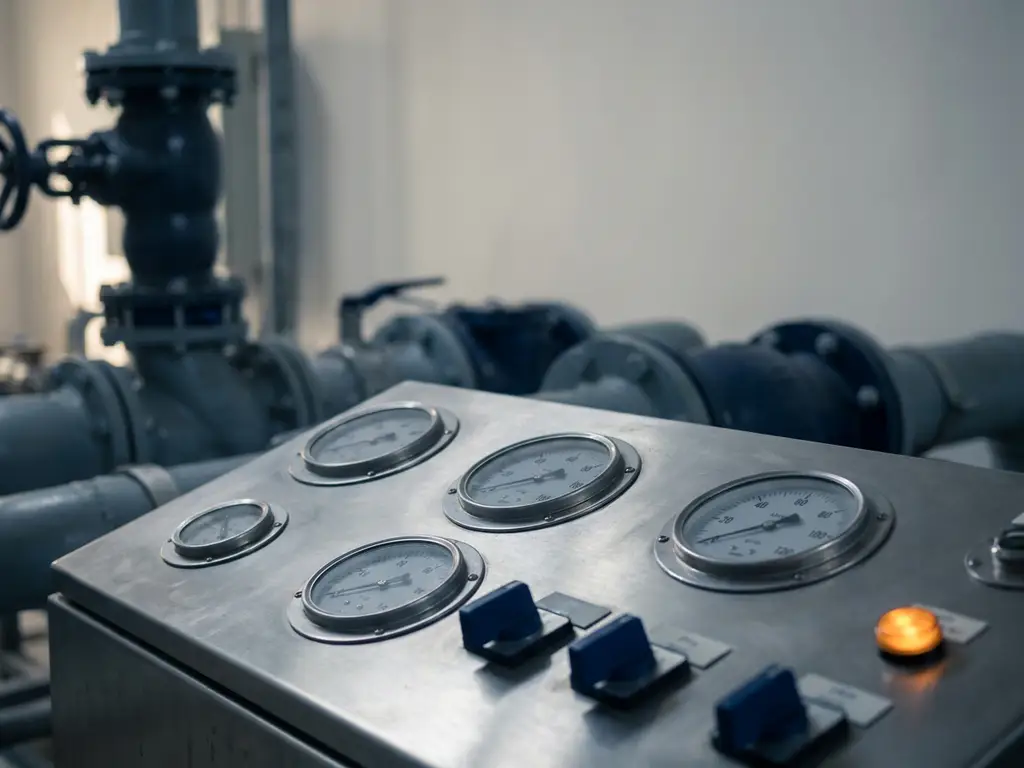


Preparing for plant maintenance requires systematic planning, robust safety protocols, coordinated resource management, and comprehensive documentation. Effective preparation involves scheduling activities well in advance, establishing safety procedures, backing up automation systems, and creating detailed checklists. This process minimises downtime while maintaining operational safety and system integrity throughout all maintenance activities.
What does effective plant maintenance preparation actually involve?
Effective plant maintenance preparation encompasses comprehensive planning phases that coordinate resources, documentation, safety protocols, and system requirements. The process begins with detailed scheduling that takes into account production requirements, equipment dependencies, and contractor availability.
Resource allocation forms a critical component, requiring coordination between internal teams, external contractors, and suppliers. This includes securing spare parts, specialised tools, and qualified personnel well before maintenance begins. Documentation requirements involve gathering equipment manuals, maintenance procedures, safety data sheets, and historical maintenance records.
Interdepartmental coordination ensures that production, engineering, safety, and maintenance teams align their activities. This coordination extends to automation systems, where process control networks require careful preparation to maintain system integrity during maintenance work.
How far in advance should you start planning plant maintenance?
Major maintenance activities require 3–6 months of advance planning, while routine maintenance typically needs 2–4 weeks of preparation time. Complex equipment overhauls involving multiple systems may require up to 12 months of advance planning to coordinate all necessary resources.
Seasonal considerations significantly impact planning timelines. Maintenance during peak production periods requires more extensive preparation than maintenance carried out during planned shutdowns. Equipment complexity directly affects preparation time, with critical process control systems needing longer lead times for backup procedures and system isolation planning.
Contractor coordination often determines minimum planning timeframes. Specialised maintenance services, particularly for automation systems and safety-critical equipment, require early booking to ensure availability. Supplier lead times for spare parts and specialised equipment also influence the overall planning timeline.
What safety protocols are essential during plant maintenance preparation?
Essential safety protocols begin with comprehensive risk assessments that identify all potential hazards associated with maintenance activities. Lockout/tagout procedures must be established for every piece of equipment, ensuring complete energy isolation before work begins.
Permit-to-work systems control access to hazardous areas and ensure that appropriate safety measures are in place. Hot work permits, confined space entry permits, and electrical work permits each require specific safety protocols and trained personnel. Emergency procedures must be established and communicated to all personnel involved in maintenance activities.
Personnel safety training ensures that everyone understands their responsibilities and the relevant emergency procedures. This includes training on the specific equipment being maintained, safety protocols for the work environment, and emergency response procedures. Regular safety briefings throughout the maintenance period reinforce these protocols.
How do you prepare automation systems for plant maintenance?
Automation system preparation requires comprehensive backup procedures for all process control configurations, SCADA databases, and historical data. System isolation procedures ensure that maintenance work does not compromise network integrity or data security.
Configuration documentation must be current and accessible, including control logic, network configurations, and device parameters. This documentation enables rapid system restoration if issues arise during maintenance. Network segmentation may be necessary to isolate systems undergoing maintenance from operational networks.
Post-maintenance verification protocols ensure that systems return to proper operation. These include testing control loops, verifying communication links, and confirming safety system functionality. Backup systems and redundant equipment must also be tested to ensure they can handle increased loads during maintenance periods.
What documentation and checklists are needed for maintenance preparation?
Essential documentation includes detailed maintenance procedures for each piece of equipment, complete equipment specifications, and current spare parts inventories. Contractor qualifications and certifications must be verified and documented before work begins.
Permit documentation encompasses all required safety permits, environmental permits, and regulatory compliance documents. Equipment isolation procedures, safety protocols, and emergency contact information must be readily accessible throughout the maintenance period.
Comprehensive checklists ensure that nothing is overlooked during preparation. These include pre-maintenance safety checks, equipment isolation verification, backup completion confirmation, and post-maintenance testing procedures. Regular checklist reviews help identify potential improvements for future maintenance activities.
How CoNet helps with plant maintenance preparation
CoNet provides specialised support for industrial plant maintenance preparation, with a focus on Siemens automation systems and process control networks. Our expertise ensures that your maintenance activities proceed safely and efficiently while maintaining system integrity.
Our comprehensive maintenance preparation services include:
- Siemens PCS 7 system backup and configuration documentation
- Automation system isolation and safety protocol development
- 24/7 technical support during maintenance activities
- Post-maintenance system verification and testing
- Comprehensive maintenance planning and coordination
Ready to ensure your next maintenance project runs smoothly? Contact our maintenance preparation specialists to discuss your specific requirements and develop a comprehensive preparation plan tailored to your facility’s needs.