
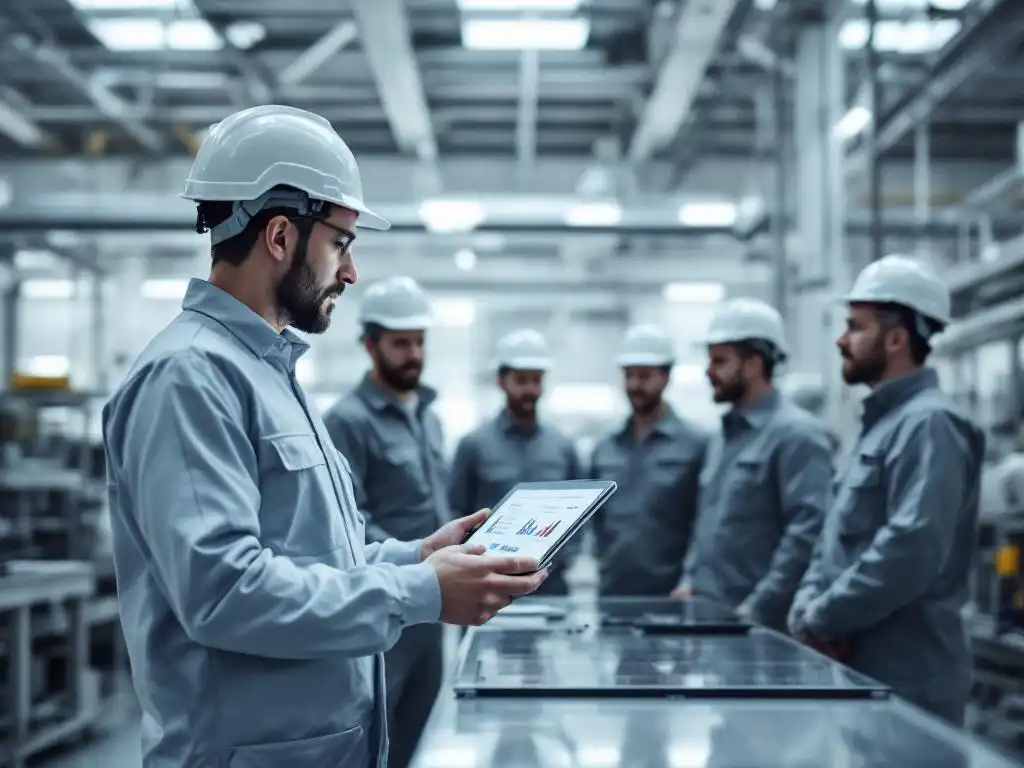
Training staff for effective plant care requires a systematic approach that combines technical expertise, safety protocols, and continuous learning. Modern industrial operations demand skilled personnel who understand both traditional maintenance practices and advanced automation systems. Successful plant care training programs focus on hands-on experience, theoretical knowledge, and ongoing skill development to ensure optimal equipment performance and operational safety.
What are the essential skills plant staff need to learn?
Plant staff require a comprehensive skill set covering technical competencies, safety protocols, automation system knowledge, and critical thinking abilities. Technical skills include understanding mechanical systems, electrical components, process flows, and equipment maintenance procedures. Safety protocols encompass hazard identification, emergency response, lockout/tagout procedures, and the use of personal protective equipment.
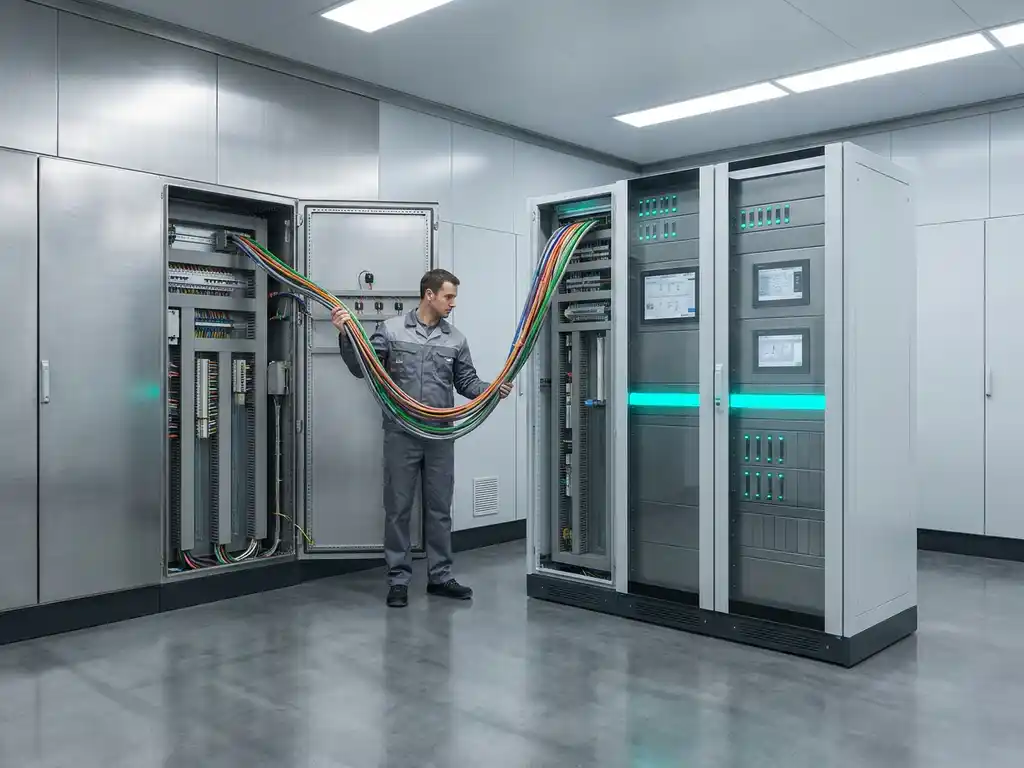
Automation system knowledge has become increasingly important as facilities adopt advanced control systems. Staff must understand SCADA interfaces, process control logic, alarm management, and data interpretation. These technical competencies form the foundation for effective plant operations.
Soft skills are equally vital for successful plant care. Problem-solving abilities help staff diagnose issues quickly and implement appropriate solutions. Communication skills ensure clear information exchange during shift handovers, maintenance activities, and emergency situations. Teamwork capabilities enable collaborative troubleshooting and knowledge sharing across departments.
Documentation skills allow staff to maintain accurate records of maintenance activities, equipment performance, and process variations. Time management helps prioritise tasks effectively, while adaptability enables staff to handle unexpected situations and equipment changes.
How do you create an effective plant training program from scratch?
Creating an effective plant training program begins with a thorough needs assessment to identify skill gaps, operational requirements, and learning objectives. This assessment should evaluate current staff competencies, equipment complexity, safety requirements, and regulatory compliance needs. The results guide curriculum development and training priorities.
Curriculum design should align with specific job roles and operational responsibilities. Develop modular training content that progresses from basic concepts to advanced applications. Include theoretical knowledge, practical skills, and real-world scenarios relevant to your facility’s operations.
Training method selection depends on content type and learning objectives. Combine classroom instruction for theoretical concepts, hands-on workshops for practical skills, and simulation-based learning for complex scenarios. Consider different learning styles and provide multiple formats to accommodate various preferences.
The program structure should include initial orientation, role-specific training, ongoing education, and refresher courses. Establish clear milestones, assessment criteria, and certification requirements. Create documentation systems to track progress and maintain training records for compliance purposes.
What’s the difference between on-the-job training and formal classroom instruction?
On-the-job training provides immediate, practical experience within the actual work environment, allowing staff to learn while performing real tasks under supervision. This approach offers contextual learning, immediate feedback, and direct application of skills. However, it may lack structured progression and a comprehensive theoretical foundation.
Formal classroom instruction delivers structured, comprehensive knowledge through an organised curriculum and dedicated learning time. This method ensures consistent information delivery, theoretical understanding, and systematic skill development. Classroom training allows for detailed explanations, group discussions, and controlled learning environments.
The main differences lie in the learning environment, pace, and content depth. On-the-job training adapts to immediate operational needs but may miss broader concepts. Classroom instruction provides thorough coverage but may lack practical context until applied in real situations.
The most effective training programs combine both approaches strategically. Use classroom instruction for foundational knowledge, safety protocols, and complex theoretical concepts. Apply on-the-job training for practical skills, equipment familiarisation, and procedure refinement. This blended approach maximises learning effectiveness while maintaining operational continuity.
How do you train staff on complex automation systems and process control?
Training staff on complex automation systems requires specialised approaches that combine theoretical understanding with practical application. Begin with fundamental automation concepts, control theory, and system architecture before progressing to specific equipment and software interfaces. This foundation enables staff to understand system behaviour and troubleshooting principles.
Simulation-based learning is particularly effective for automation training. Virtual environments allow staff to practise system operations, test scenarios, and learn from mistakes without affecting production. Simulators can safely replicate normal operations, fault conditions, and emergency situations.
Hands-on practice with actual systems is essential but should follow simulation training. Provide supervised access to control systems during planned maintenance periods or non-critical operations. This approach builds confidence while minimising operational risks.
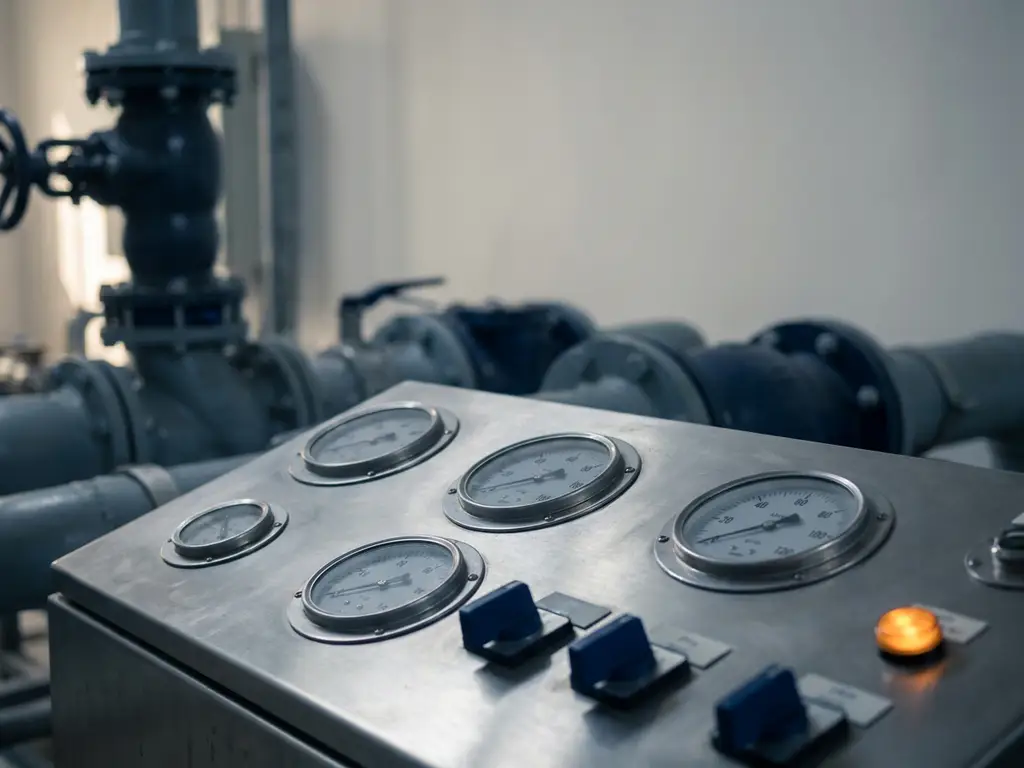
Process control training should cover alarm management, trending analysis, and system optimisation techniques. Staff need to understand how process variables interact, recognise abnormal conditions, and implement appropriate corrective actions. Regular practice sessions help maintain proficiency and introduce new system features.
What are the biggest challenges in plant staff training and how do you overcome them?
Time constraints represent one of the most significant challenges in plant staff training, as production demands often limit availability for learning activities. Overcome this by implementing flexible training schedules, utilising shift overlaps, and developing bite-sized learning modules that fit into brief periods. Cross-training multiple staff members ensures coverage during training activities.
Varying skill levels among staff create complexity in program delivery. Address this through skills assessments and individualised learning paths. Provide basic foundation courses for newcomers while offering advanced modules for experienced personnel. Peer mentoring programs can bridge skill gaps effectively.
Technology updates present ongoing challenges as systems evolve rapidly. Establish partnerships with equipment vendors for update training, maintain current documentation, and designate technology champions who can cascade knowledge to others. Regular refresher training ensures staff stay current with system changes.
Resistance to change often occurs when introducing new procedures or technologies. Combat this through clear communication about benefits, involving staff in training program development, and recognising learning achievements. Demonstrate how new skills improve job performance and career opportunities.
How CoNet helps with staff training for industrial automation
We specialise in comprehensive training programs for Siemens automation systems, helping industrial facilities develop skilled automation specialists. Our expertise covers PCS 7 process automation, SCADA systems, and advanced process control technologies that modern plants require for optimal performance.
Our training services include:
- Customised curriculum development based on your specific automation systems
- Hands-on workshops using actual Siemens hardware and software
- Simulation-based learning environments for safe practice
- Ongoing support programs to maintain staff competency
- Certification programs aligned with industry standards
We understand that effective plant care depends on well-trained personnel who can operate, maintain, and troubleshoot complex automation systems. Our training approach combines theoretical knowledge with practical application, ensuring your staff can handle both routine operations and challenging situations confidently.
Ready to develop your plant staff’s automation expertise? Contact us to discuss how our specialised training programs can enhance your team’s capabilities and improve your facility’s operational performance.