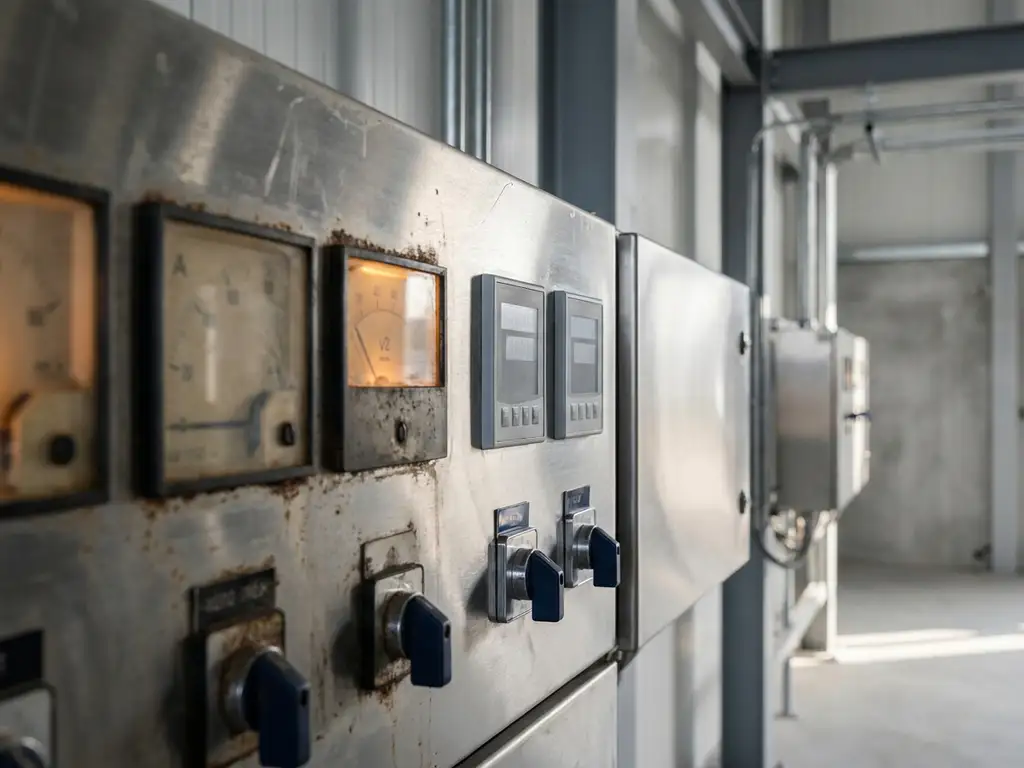

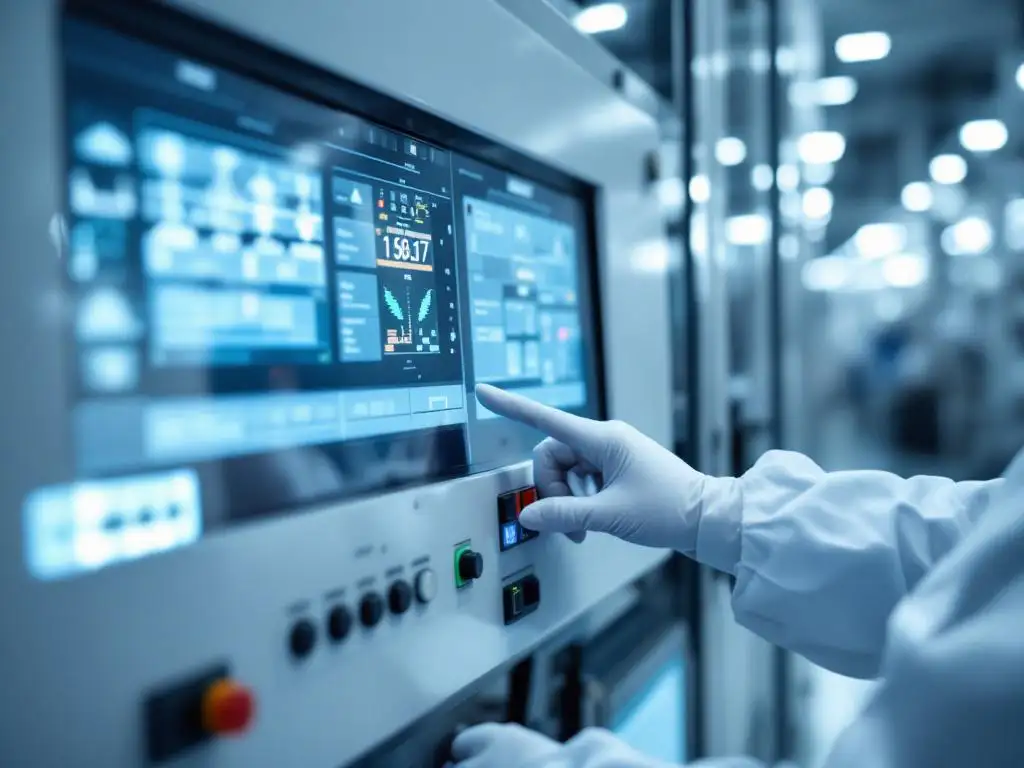
Industrial automation brings transformative safety improvements to manufacturing environments by removing workers from hazardous conditions, eliminating human error, and providing continuous monitoring capabilities. Automated systems respond faster than human operators to dangerous situations while maintaining consistent safety protocols regardless of external factors like fatigue or distraction. These technologies create comprehensive safety networks that protect both personnel and equipment through predictive maintenance and real-time hazard detection.
What are the main safety benefits of industrial automation?
Industrial automation delivers five primary safety benefits: reduced human exposure to dangerous conditions, elimination of repetitive strain injuries, enhanced monitoring capabilities, consistent safety protocol enforcement, and predictive maintenance that prevents equipment failures. These systems create safer work environments by removing workers from hazardous areas and maintaining constant vigilance over industrial processes.
Automated systems excel at handling dangerous tasks that traditionally put workers at risk. Robotic systems can operate in extreme temperatures, toxic environments, or areas with radiation exposure without compromising human health. This protection extends beyond immediate physical dangers to include long-term health benefits by reducing exposure to harmful chemicals or repetitive motions that cause workplace injuries.
The consistency factor proves crucial for maintaining safety standards. Unlike human operators who may experience fatigue, distraction, or varying skill levels, automated systems maintain the same safety protocol adherence throughout every shift. This reliability ensures that safety measures remain active and effective regardless of time of day, staffing changes, or operational pressures.
Predictive maintenance capabilities represent another significant safety advancement. Automated monitoring systems detect equipment wear, vibration anomalies, or performance degradation before catastrophic failures occur. This early warning system prevents accidents caused by unexpected equipment breakdowns and allows for planned maintenance during safe operational windows.
How does automation reduce workplace accidents in industrial settings?
Automation reduces workplace accidents through automated safety interlocks, emergency shutdown systems, and human error elimination. These systems respond within milliseconds to dangerous conditions, far faster than human reaction times, and maintain consistent safety standards regardless of human factors like fatigue, distraction, or training variations.
Safety interlock systems form the backbone of automated accident prevention. These systems automatically prevent unsafe operations by monitoring multiple conditions simultaneously and blocking actions that could create hazardous situations. For example, automated systems ensure that equipment cannot start if safety guards are open or if personnel are detected in restricted areas.
Emergency shutdown capabilities provide another layer of protection. When sensors detect dangerous conditions such as pressure spikes, temperature extremes, or gas leaks, automated systems can immediately halt operations, isolate affected areas, and activate safety protocols. This rapid response capability often prevents minor incidents from escalating into major accidents.
Human error elimination addresses one of the leading causes of workplace accidents. Automated systems remove the possibility of mistakes caused by miscommunication, procedural oversights, or operator fatigue. By standardising operations and removing variability in safety-critical tasks, automation systems create more predictable and safer working environments.
What types of safety monitoring can automated systems provide?
Automated safety monitoring systems provide continuous surveillance of gas concentrations, temperature variations, pressure levels, vibration patterns, and equipment health indicators. These systems offer 24/7 monitoring capabilities with early warning alerts and predictive analytics that identify potential safety issues before they become critical problems.
Gas detection systems continuously monitor air quality for toxic, combustible, or oxygen-depleted atmospheres. These systems can detect minute concentrations of hazardous gases and immediately alert operators while activating ventilation systems or evacuation protocols. The continuous nature of this monitoring provides protection that manual testing cannot match.
Temperature monitoring extends beyond simple measurement to include thermal imaging and pattern recognition. Advanced systems can identify hot spots in electrical equipment, detect overheating in mechanical components, or monitor process temperatures that could indicate runaway reactions. This comprehensive temperature surveillance prevents fire hazards and equipment damage.
Vibration analysis provides insight into equipment health and potential failure modes. Automated systems can detect bearing wear, misalignment, or structural fatigue through vibration pattern analysis. This monitoring capability allows maintenance teams to address issues during planned downtime rather than experiencing unexpected failures during operation.
Equipment health tracking integrates multiple monitoring inputs to provide comprehensive asset condition assessment. These systems track performance trends, maintenance schedules, and operational parameters to predict when equipment may fail or require attention, enabling proactive safety management rather than reactive responses.
How do automated safety systems handle emergency situations?
Automated emergency response systems execute immediate shutdown procedures, isolate hazardous areas, activate fire suppression systems, and trigger emergency communication protocols simultaneously. These coordinated responses happen within seconds of detecting emergency conditions, providing comprehensive protection through multiple safety measures working in concert.
Immediate shutdown procedures represent the first line of emergency response. Automated systems can instantly stop all equipment, close isolation valves, and secure energy sources when emergency conditions are detected. This rapid response capability prevents the escalation of incidents and creates safe conditions for emergency responders to work.
Area isolation systems automatically contain hazardous situations by closing blast doors, activating ventilation systems, or creating physical barriers between dangerous areas and personnel. These systems can isolate specific zones while maintaining safe evacuation routes and protecting unaffected areas of the facility.
Fire suppression activation occurs automatically when heat, smoke, or flame detection systems trigger emergency protocols. These systems can deploy appropriate suppression agents for specific fire types, whether water-based systems for ordinary combustibles or specialised agents for electrical or chemical fires. The automatic activation ensures immediate response even when personnel cannot reach manual controls.
Emergency communication systems simultaneously alert all relevant personnel, contact emergency services, and provide real-time status updates to incident commanders. These systems ensure that everyone receives critical information quickly while maintaining communication channels for coordinating response efforts.
What safety compliance advantages does industrial automation offer?
Industrial automation ensures consistent safety regulation adherence through documented processes, comprehensive audit trails, and standardised procedures that maintain compliance regardless of shift changes or personnel turnover. Automated reporting capabilities provide real-time compliance monitoring and generate documentation required for regulatory inspections and safety audits.
Documented processes create permanent records of all safety-related activities, from routine inspections to emergency responses. These automated documentation systems ensure that compliance activities are recorded accurately and completely, providing the evidence needed for regulatory compliance and internal safety assessments.
Audit trails offer complete visibility into system operations, safety interventions, and maintenance activities. Automated systems log every action, alarm, and response with precise timestamps, creating an unalterable record of safety system performance. This documentation proves invaluable during regulatory inspections or incident investigations.
Standardised procedures eliminate variability in safety-critical operations. Automated systems ensure that safety protocols are executed identically every time, regardless of which operator is on duty or external pressures to expedite operations. This consistency helps maintain regulatory compliance even during challenging operational periods.
Automated reporting capabilities generate compliance reports automatically, reducing the administrative burden on safety personnel while ensuring that all required documentation is complete and accurate. These systems can track compliance metrics, identify trends, and alert management to potential compliance issues before they become violations.
Hoe CoNet helpt bij veiligheidsverbetering door industriële automatisering
We specialise in implementing comprehensive safety automation solutions through advanced Siemens PCS 7 Process Safety systems and certified safety instrumented system design. Our expertise in process safety automation helps clients achieve optimal safety performance while maintaining operational efficiency and regulatory compliance across diverse industrial applications.
Our safety-focused automation solutions include:
- Siemens PCS 7 Process Safety implementation with certified safety integrity levels
- Safety Instrumented Systems (SIS) design and integration for critical process protection
- Comprehensive safety consulting services for risk assessment and safety lifecycle management
- Emergency shutdown system design and testing protocols
- Safety compliance monitoring and automated reporting systems
As a certified Siemens PCS 7 Process Safety Specialist, we bring proven expertise in developing safety systems that meet the highest industry standards. Our comprehensive approach covers every aspect of safety automation, from initial risk assessment through system implementation and ongoing maintenance support.
Ready to enhance your facility’s safety through advanced industrial automation? Contact our safety automation specialists to discuss how we can help you implement comprehensive safety solutions tailored to your specific industrial requirements and regulatory obligations.