
Six Sigma methodology applies to automated processes by using data-driven quality improvement principles to reduce defects and variability in industrial automation systems. The DMAIC framework (Define, Measure, Analyze, Improve, Control) integrates with automated control systems to continuously monitor and optimize process performance. This approach combines statistical process control with real-time automation data to achieve consistent quality outcomes.
What is Six Sigma methodology and how does it work with automation?
Six Sigma is a data-driven quality improvement methodology that aims to reduce process variation and eliminate defects by achieving near-perfect performance levels. The methodology works through the DMAIC framework: Define problems, Measure current performance, Analyze root causes, Improve processes, and Control outcomes.
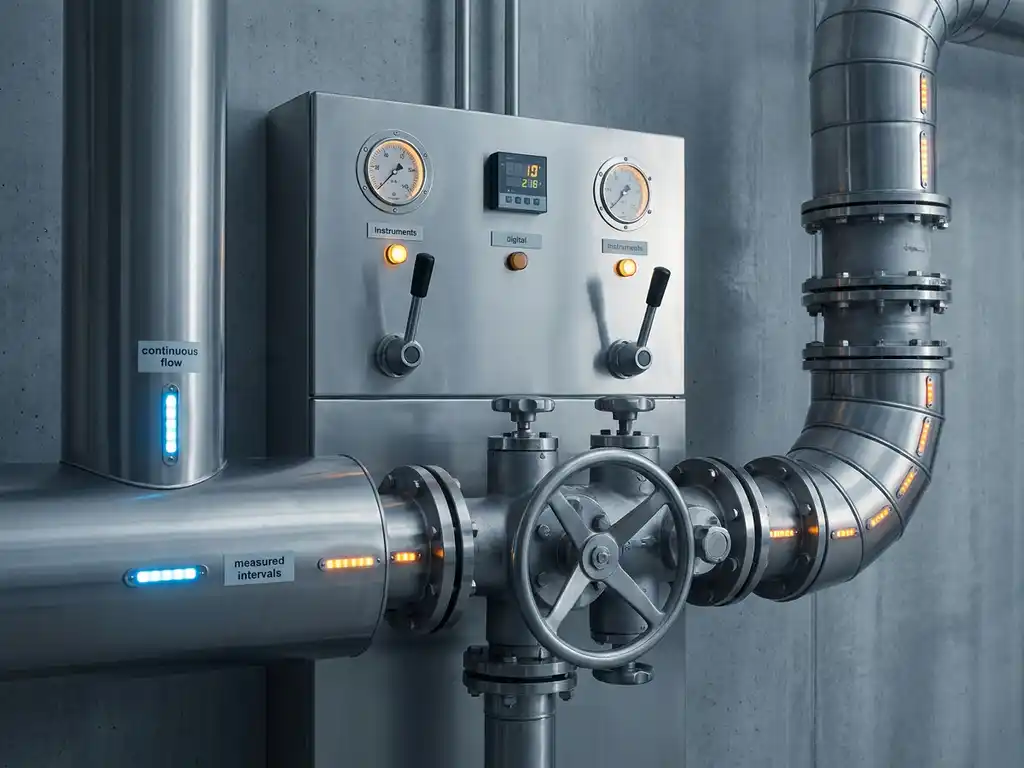
In automated industrial processes, Six Sigma integrates seamlessly with control systems by leveraging continuous data collection capabilities. Automation systems generate vast amounts of real-time data about temperature, pressure, flow rates, and other critical parameters. These data become the foundation for Six Sigma analysis, enabling precise measurement of process capability and identification of sources of variation.
The methodology transforms traditional quality control from reactive inspection to proactive process optimization. Automated systems can implement Six Sigma improvements through programmed adjustments, alarm systems, and statistical process control charts that trigger corrective actions automatically when processes drift from target specifications.
Why should automated processes use Six Sigma principles?
Automated processes benefit significantly from Six Sigma principles because they generate consistent, measurable data that enable precise quality control and continuous improvement. This combination reduces variability, improves process reliability, and maximizes the return on automation investments through enhanced operational efficiency.
Six Sigma principles address common automation challenges by providing structured approaches to process optimization. Reduced variability means more predictable outcomes, which is crucial for maintaining product quality in high-volume production environments. The methodology’s focus on data-driven decision-making aligns perfectly with automation’s capability to collect and analyze process information continuously.
Industrial automation benefits from Six Sigma through improved process control, reduced waste, and enhanced quality outcomes. The methodology helps identify optimal operating parameters, reduce energy consumption, and minimize raw material waste. This systematic approach ensures that automated systems operate at peak efficiency while maintaining consistent quality standards across all production cycles.
How do you implement Six Sigma in existing automated systems?
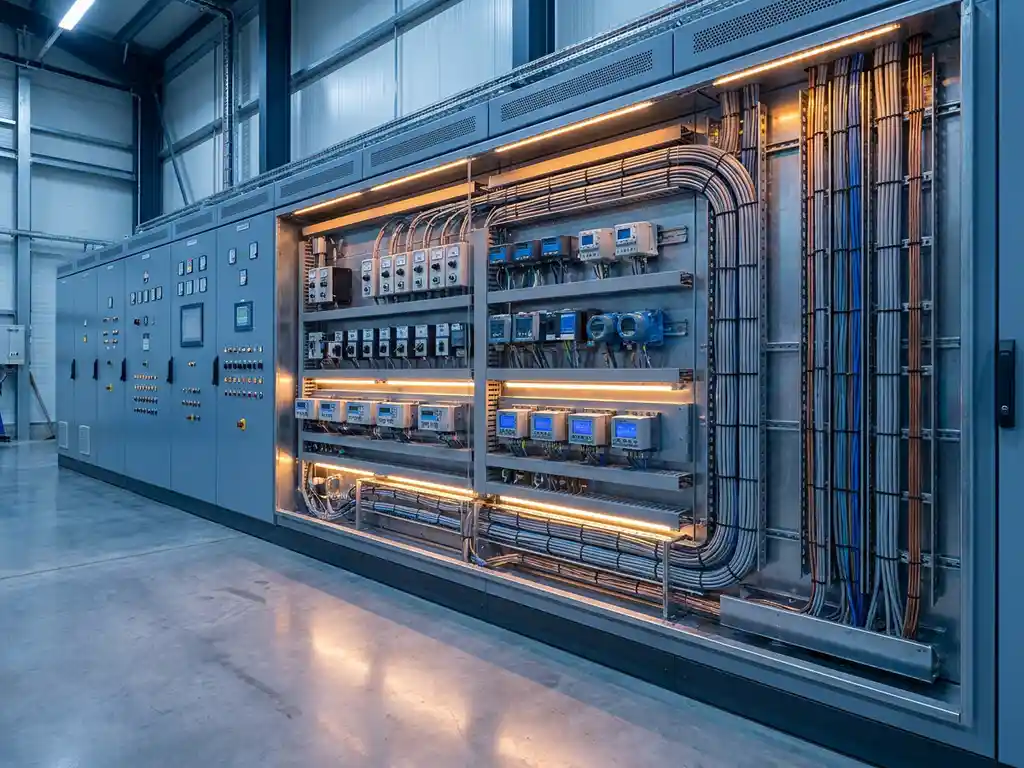
Implementation begins with comprehensive data collection from the existing automation infrastructure, followed by process mapping to identify improvement opportunities. The approach involves integrating Six Sigma tools with current control systems such as Siemens PCS 7 to establish baseline measurements and implement systematic improvements.
Start by defining critical quality parameters and establishing measurement systems within your automation platform. Map current processes to understand how automated systems interact and identify potential sources of variation. Data collection strategies should leverage existing sensors and control points to gather comprehensive process information without disrupting operations.
Integration with control systems requires careful planning to ensure compatibility and reliability. Configure statistical process control charts within your automation interface to monitor key performance indicators continuously. Establish automated alerts and corrective actions that are triggered when processes deviate from Six Sigma specifications. This creates a self-regulating system that maintains quality standards automatically.
Train operators and engineers to interpret Six Sigma data within the automation context. Develop standard operating procedures that incorporate Six Sigma principles into daily operations and maintenance activities.
What are the key challenges when combining Six Sigma with automation?
The primary challenges include data integration complexity, resistance to change from operational teams, and the technical difficulty of implementing statistical controls within existing automated systems. These obstacles require careful planning and systematic approaches to overcome successfully.
Data integration issues often arise from incompatible systems, inconsistent data formats, and the sheer volume of information generated by automated processes. Legacy automation systems may lack the capability to support advanced Six Sigma analytics, requiring upgrades or additional software integration.
Resistance to change typically comes from operators and engineers who are comfortable with existing processes. They may question the value of additional complexity or worry about system reliability. Overcoming this requires clear communication about the benefits, comprehensive training, and gradual implementation that demonstrates success.
Technical complexity increases when integrating Six Sigma tools with automation systems. Ensuring data accuracy, maintaining system stability, and avoiding disruption to production require expertise in both Six Sigma methodology and automation technology. The solution involves working with specialists who understand both disciplines and can design integrated approaches.
How do you measure Six Sigma success in automated processes?
Success measurement focuses on key performance indicators, including defect rates, process capability indices, and overall equipment effectiveness. Real-time monitoring systems track these metrics continuously, providing immediate feedback on the effectiveness of Six Sigma implementation and enabling rapid responses to quality issues.
Establish baseline measurements before implementing Six Sigma improvements to quantify progress accurately. Process capability indices such as Cp and Cpk provide statistical measures of how well automated processes meet specifications. These indices should improve as Six Sigma implementation progresses.
Monitor real-time data through automated dashboards that display critical quality metrics, trend analyses, and statistical control charts. Track overall equipment effectiveness, which combines availability, performance, and quality metrics into a comprehensive measure of automated system success.
Measure cost savings from reduced waste, improved efficiency, and decreased quality issues. Document improvements in cycle times, energy consumption, and raw material utilization. These tangible benefits demonstrate the value of combining Six Sigma with industrial automation.
Hoe CoNet helpt met Six Sigma en procesautomatisering
We support companies in implementing Six Sigma methodology within their Siemens automation systems through comprehensive engineering services and process optimization expertise. Our approach combines deep knowledge of both Six Sigma principles and Siemens PCS 7 systems to deliver integrated solutions.
Our services include:
- Data collection strategy development for existing Siemens automation infrastructure
- Statistical process control integration within PCS 7 systems
- Process mapping and improvement identification
- Real-time monitoring dashboard configuration
- Training programs combining Six Sigma and automation expertise
- Ongoing support for continuous improvement initiatives
As certified Siemens specialists with extensive process automation experience, we understand how to implement Six Sigma principles without disrupting critical production operations. Our team provides complete project lifecycle support, from initial assessment through implementation and ongoing optimization.
Ready to enhance your automated processes with Six Sigma methodology? Contact us to discuss how we can help optimize your industrial automation systems for improved quality and efficiency.