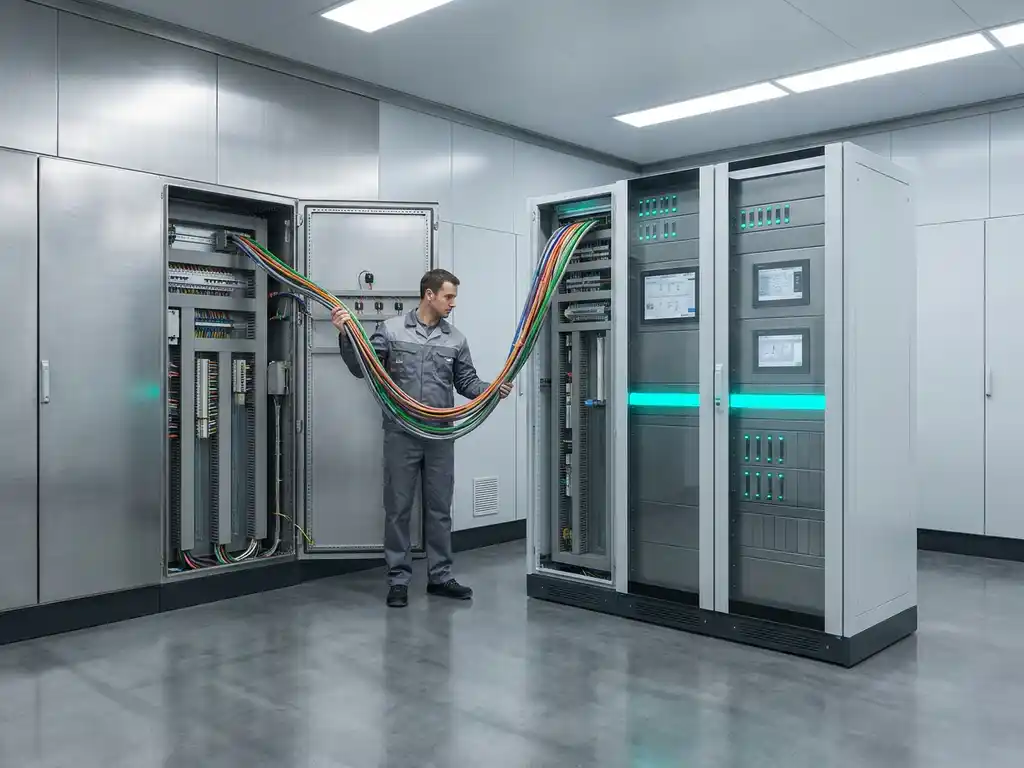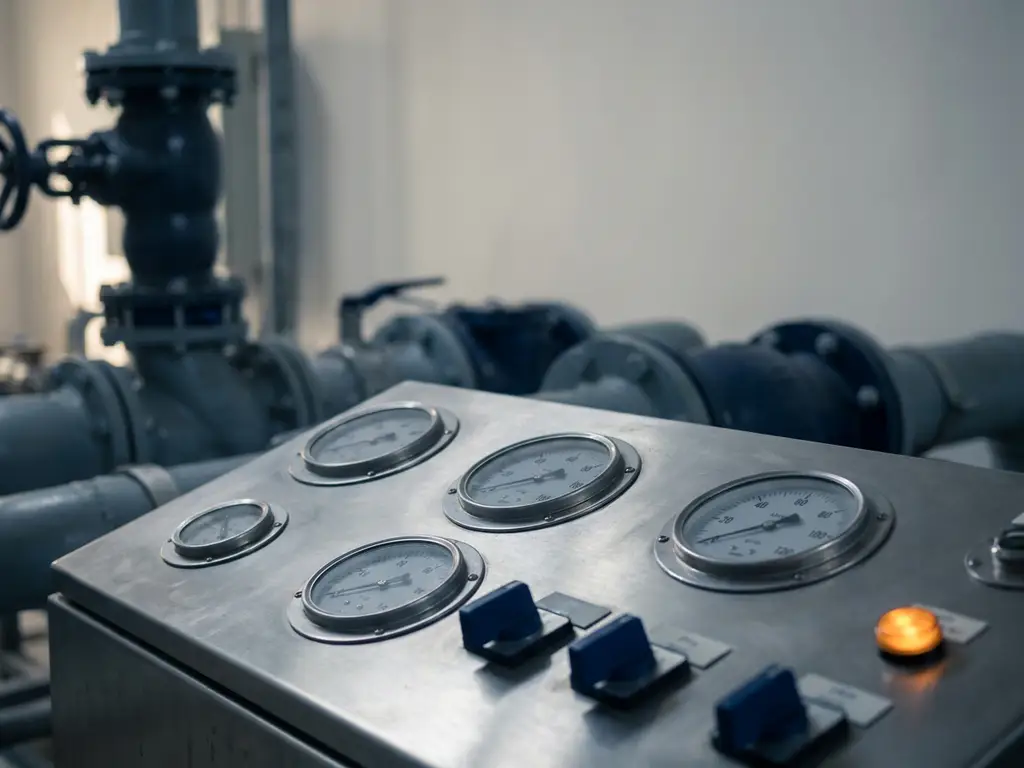

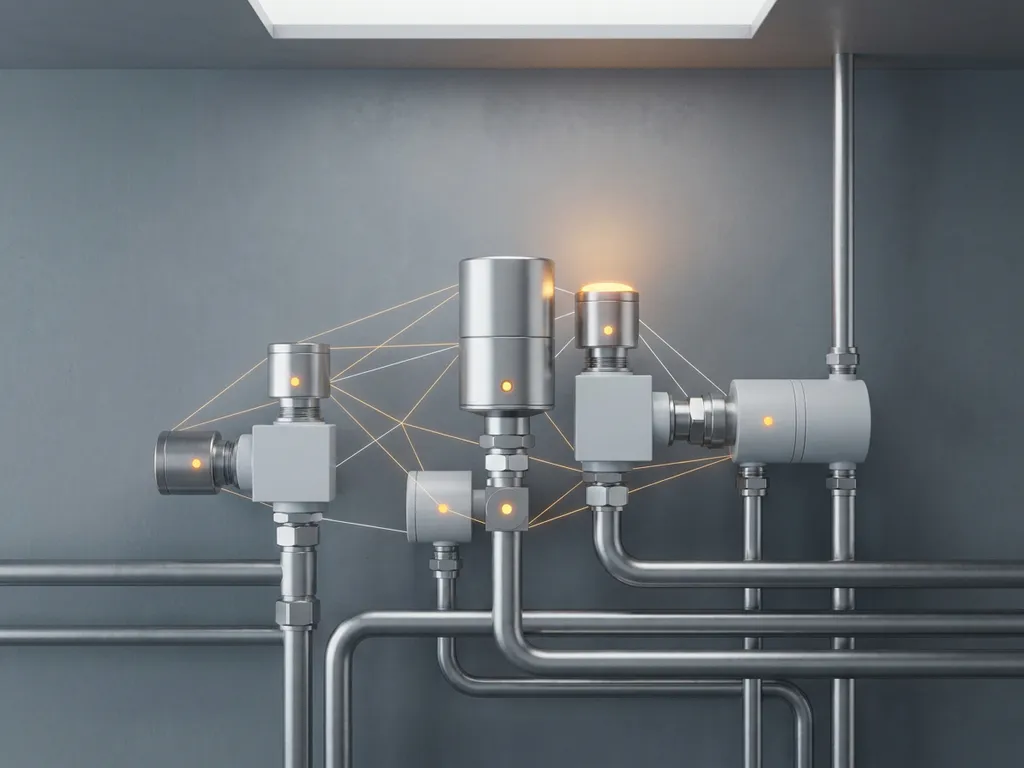
IoT sensors play a central role in modern batch control systems by providing real-time, granular data on process variables such as temperature, pressure, flow, pH, and concentration throughout every stage of a batch. This continuous stream of data feeds directly into distributed control systems (DCS) and batch management software, enabling tighter process control, faster deviation detection, and more consistent end-product quality. The sections below unpack the most important questions surrounding IoT sensors and batch control, from how they communicate to when an upgrade makes sense.
How do IoT sensors communicate with batch control systems?
IoT sensors communicate with batch control systems primarily through industrial communication protocols such as HART, PROFIBUS, PROFINET, and OPC UA, or through wireless standards like WirelessHART and ISA100.11a. These protocols allow sensors to transmit process data to a DCS, SCADA platform, or edge computing layer in near real time, where the data is used to drive automated batch sequences and control loops.
In practice, the communication path often involves several layers. A sensor transmits a signal to a field device or transmitter, which converts the raw measurement into a digital value. That value travels over a fieldbus or Ethernet backbone to the DCS, where it is processed against the batch recipe logic. More modern architectures add an edge gateway between the field level and the control system, which pre-processes data, buffers it during network interruptions, and forwards aggregated values to cloud-based analytics platforms.
Wireless IoT sensors add flexibility in hard-to-wire locations, but they introduce latency and reliability considerations that must be weighed carefully in time-critical batch steps. For most batch applications, a hybrid approach works well: wired sensors for critical control loops and wireless sensors for monitoring, condition tracking, or secondary measurements.
What types of IoT sensors are used in batch processes?
The most commonly used IoT sensors in batch processes measure temperature, pressure, level, flow, pH, conductivity, and dissolved oxygen. Beyond these standard process variables, batch environments increasingly deploy vibration sensors on agitators and pumps, inline turbidity sensors for product clarity checks, and gas detection sensors for safety monitoring.
The right sensor type depends on the specific batch phase and product. In pharmaceutical and food manufacturing, for example, inline pH and conductivity sensors are essential for cleaning validation and product quality verification. In chemical batch reactors, high-accuracy temperature and pressure transmitters are critical because even small deviations can shift reaction kinetics and yield.
Smart sensors with built-in diagnostics are increasingly common. These devices self-report calibration drift, fouling, and signal anomalies directly to the DCS or asset management system, reducing the need for scheduled manual checks and making it easier to maintain measurement integrity across long production campaigns.
How do IoT sensors improve batch consistency and product quality?
IoT sensors improve batch consistency by delivering continuous, high-resolution process data that enables the DCS to detect and correct deviations before they affect the final product. Instead of relying on periodic manual sampling or end-of-batch analysis, operators and control systems can respond to process drift in real time, keeping each batch within its defined quality parameters.
The practical impact shows up in several ways:
- Tighter setpoint adherence: Continuous feedback allows control loops to compensate for disturbances such as raw material variability or ambient temperature changes more quickly than traditional instrumentation.
- Faster deviation response: Automated alarms triggered by IoT sensor data reduce the time between a process deviation and corrective action, limiting the scope of any out-of-spec product.
- Better batch records: Dense, timestamped sensor data creates a complete electronic batch record, supporting regulatory compliance and root cause analysis when quality issues do occur.
- Reduced batch-to-batch variation: Over time, historical sensor data can be analyzed to identify patterns that predict quality outcomes, allowing recipe parameters to be refined for greater reproducibility.
In industries with strict quality standards such as food, beverage, and specialty chemicals, this level of process visibility is increasingly a competitive requirement rather than a nice-to-have.
What’s the difference between IoT sensors and traditional field instruments in batch control?
The key difference is connectivity and intelligence. Traditional field instruments measure a process variable and transmit a simple analog signal (typically 4-20 mA) to the control system. IoT sensors do the same but also generate digital data, self-diagnostics, and metadata that can be accessed remotely, stored historically, and analyzed independently of the core control loop.
Traditional instruments are reliable and well understood, but they are largely passive. An analog pressure transmitter tells the DCS what the pressure is; it does not tell the system whether its own calibration is drifting or whether the measurement is statistically consistent with upstream flow data. IoT-capable sensors add that layer of intelligence.
Another practical distinction is integration depth. Traditional instruments connect to the DCS through hardwired I/O. IoT sensors can connect through fieldbuses, Ethernet, or wireless networks, and many can simultaneously report to the DCS for control purposes and to a separate analytics or asset management platform for monitoring purposes. This dual-path capability is what makes IoT sensors genuinely additive rather than simply a replacement for conventional instrumentation.
What causes IoT sensor failures in batch control environments?
IoT sensor failures in batch control environments are most commonly caused by process fouling, mechanical stress, calibration drift, and connectivity interruptions. Batch environments are particularly demanding because sensors are often exposed to aggressive cleaning cycles, wide temperature swings, and chemically reactive media that degrade sensor elements over time.
The most frequent failure modes include:
- Fouling and coating: Product buildup on sensor surfaces distorts readings, particularly for pH, conductivity, and optical sensors.
- Calibration drift: Sensors exposed to high temperatures, steam sterilization, or harsh chemicals lose measurement accuracy faster than their rated intervals suggest.
- Mechanical damage: Vibration from agitators, pumps, and piping can loosen connections or damage sensor housings, especially in high-cycle batch operations.
- Communication failures: Wireless sensors are vulnerable to interference from other industrial equipment, while wired sensors can suffer from cable degradation in wet or corrosive environments.
- Firmware and integration issues: As IoT sensors become more software-dependent, mismatches between sensor firmware and DCS driver versions can cause data gaps or incorrect readings.
Proactive maintenance strategies, including sensor self-diagnostics, scheduled calibration checks, and redundancy for critical measurements, significantly reduce unplanned failures and their impact on batch quality.
When should a batch facility upgrade to IoT-enabled sensors?
A batch facility should consider upgrading to IoT-enabled sensors when recurring quality variation, limited process visibility, or high manual measurement burden is constraining production performance. If operators regularly rely on grab samples and lab results to confirm batch status rather than real-time process data, IoT sensors can close that visibility gap significantly.
Other strong indicators that an upgrade is warranted include:
- Frequent out-of-spec batches that are difficult to trace back to a specific process variable or time window
- Regulatory requirements for more detailed electronic batch records
- Plans to implement advanced process control or model-predictive control on top of the existing DCS
- Aging instrumentation that is approaching end of life and requires replacement anyway
- Expansion of production capacity where adding traditional hardwired instruments would be prohibitively expensive
Upgrading does not have to mean replacing all instruments at once. A phased approach, starting with the process steps that have the greatest impact on quality or yield, allows facilities to build experience with IoT sensor integration while demonstrating measurable return before committing to a full rollout.
How CoNet helps with IoT sensors in batch control systems
We work with batch manufacturers across the chemical, food and beverage, and energy sectors to design, integrate, and optimize IoT sensor architectures within Siemens-based control environments. Whether you are connecting new smart sensors to an existing Siemens PCS 7 DCS or planning a broader process automation upgrade, we bring the technical depth to make the integration reliable and production-ready.
Here is what working with us looks like in practice:
- Sensor selection and specification: We help you identify the right sensor types and communication protocols for your specific batch process, product, and regulatory context.
- DCS integration and configuration services: We configure sensor data flows within Siemens PCS 7 and related platforms, ensuring that IoT data is correctly mapped to batch sequences, alarms, and historian records.
- Diagnostics and asset management: We set up sensor health monitoring so that calibration drift, fouling, and communication faults are flagged before they affect batch quality.
- Ongoing support: Our team provides maintenance and engineering support to keep your sensor infrastructure performing as your process evolves.
If you are ready to improve batch consistency and get more out of your process data, get in touch with our engineering team to discuss how we can support your next step.
Frequently Asked Questions
How do I know which IoT sensors to prioritize when starting a phased upgrade?
Start by mapping your batch process and identifying the steps with the highest impact on final product quality, yield, or regulatory compliance — these are your highest-priority instrumentation points. For most batch facilities, that means inline quality measurements such as pH, conductivity, or temperature at critical reaction or mixing stages. From there, rank remaining measurement points by the cost of a deviation going undetected, and build your upgrade roadmap in that order.
Can IoT sensors integrate with older DCS platforms that weren't designed for digital connectivity?
Yes, in most cases. Many IoT sensors support the HART protocol, which can transmit digital diagnostic data over the same 4-20 mA wiring already connected to a legacy DCS, requiring no major infrastructure changes. For deeper integration, edge gateways and protocol converters can bridge the gap between modern IoT sensors and older control systems that lack native fieldbus or OPC UA support. The key is to assess your existing I/O architecture before selecting sensors so that communication compatibility is confirmed upfront.
What's the best way to validate that an IoT sensor is measuring accurately after installation in a batch environment?
The most reliable approach is a combination of in-situ calibration verification and cross-validation against a reference measurement or independent grab sample immediately after commissioning. For sensors exposed to CIP/SIP cycles or aggressive media, repeat this verification after the first few cleaning cycles to confirm that the process conditions haven’t caused early calibration drift. Smart sensors with built-in diagnostics can also flag statistical inconsistencies between readings over time, giving you an early warning before drift becomes a quality risk.
How much data do IoT sensors actually generate, and how should batch facilities manage it?
A single IoT sensor can generate thousands of data points per hour depending on its sampling rate, and a fully instrumented batch facility can easily produce gigabytes of process data per day. The practical approach is to use edge computing or a data historian — such as Siemens SIMATIC PCS 7 OS or a third-party historian like OSIsoft PI — to store, compress, and contextualize sensor data against batch events and recipe steps. Not all data needs to be retained at full resolution indefinitely; defining a tiered retention policy based on regulatory requirements and analytical value keeps storage costs manageable.
What cybersecurity risks come with adding IoT sensors to a batch control network, and how can they be mitigated?
IoT sensors expand the attack surface of a batch control network, particularly when they use wireless protocols or connect to cloud-based analytics platforms. The most common risks include unauthorized access through unsecured communication channels, firmware vulnerabilities in sensor devices, and data integrity issues if sensor traffic is intercepted or manipulated. Mitigations include segmenting the OT network from IT and cloud systems using a DMZ architecture, enforcing firmware update policies, disabling unused communication ports on smart sensors, and applying the IEC 62443 security framework as a baseline for industrial IoT deployments.
Can IoT sensor data be used to build predictive quality models for batch processes?
Yes, and this is one of the most valuable long-term returns on IoT sensor investment. Once you have a sufficient history of dense, timestamped sensor data linked to batch quality outcomes, you can apply multivariate statistical methods or machine learning models to identify which process variable patterns correlate most strongly with end-product quality. These models can then be used to predict batch quality in real time during production, flag at-risk batches before completion, and inform recipe adjustments. Tools such as Siemens SIMATIC Batch combined with analytics platforms or third-party solutions like TIBCO Spotfire or AspenTech are commonly used for this purpose.
What maintenance schedule should batch facilities follow for IoT sensors to prevent unexpected failures?
A risk-based maintenance approach works best: critical sensors on quality-determining process steps should be verified more frequently than secondary monitoring points. At a minimum, schedule calibration checks at intervals shorter than the sensor manufacturer’s rated drift period, and reduce those intervals for sensors exposed to steam sterilization, aggressive chemicals, or high-cycle cleaning. Supplement scheduled maintenance with continuous monitoring of sensor diagnostic outputs — fouling indicators, signal noise levels, and self-test results — so that emerging issues are caught between scheduled checks rather than discovered during a batch deviation investigation.