
PLCs connect to IoT platforms through industrial communication protocols like OPC UA, MQTT, and EtherNet/IP that enable secure data exchange between control systems and cloud analytics platforms. These connections typically require gateway devices or edge computers to translate industrial protocols into IoT-compatible formats. The integration allows real-time monitoring, predictive maintenance, and data-driven optimization of industrial processes through cloud-based analytics and remote access capabilities.
What are PLCs and how do they fit into IoT ecosystems?
Programmable Logic Controllers are industrial computers that control manufacturing processes, machinery, and automation systems in real time. They collect data from sensors, execute control logic, and operate actuators to maintain precise process control. In IoT ecosystems, PLCs serve as critical edge devices that bridge the gap between physical industrial processes and digital cloud platforms.
Modern PLCs have evolved beyond simple control functions to become intelligent data collection points. They can process, filter, and transmit operational data to IoT platforms for advanced analytics, remote monitoring, and predictive maintenance. This transformation allows manufacturers to gain visibility into production processes, identify optimization opportunities, and implement data-driven decision-making.
The integration of PLCs with IoT platforms creates smart manufacturing environments where production data flows seamlessly from the shop floor to cloud systems. This connectivity enables manufacturers to monitor equipment health, track production metrics, and respond quickly to operational changes from anywhere in the world.
Which communication protocols enable PLC-to-IoT platform connections?
OPC UA, MQTT, EtherNet/IP, and Modbus TCP are the primary protocols that facilitate secure communication between PLCs and IoT platforms. OPC UA provides secure, standardized industrial communication with built-in encryption and authentication. MQTT offers lightweight messaging, ideal for transmitting sensor data to cloud platforms with minimal bandwidth requirements.
Protocol selection depends on several factors, including security requirements, data volume, network infrastructure, and real-time constraints. EtherNet/IP works well for high-speed local networks and supports real-time control applications. Modbus TCP remains popular for simpler applications and legacy system integration due to its widespread compatibility.
Many modern implementations use multiple protocols simultaneously. PLCs might use EtherNet/IP for local control networks while employing MQTT to send operational data to cloud platforms. This hybrid approach optimizes performance for different communication requirements within the same system.
How do you establish secure data transmission from PLCs to cloud platforms?
Secure PLC-to-cloud connections require VPN tunnels, TLS encryption, and industrial firewalls to protect against cyber threats. Network segmentation isolates industrial control systems from corporate networks, while secure gateways authenticate and encrypt all data transmissions. Certificate-based authentication ensures only authorized devices can access cloud platforms.
Industrial cybersecurity best practices include regular security updates, strong password policies, and continuous network monitoring. Edge devices often serve as secure gateways, performing data filtering and encryption before transmission to cloud platforms. This approach minimizes attack surfaces while maintaining operational efficiency.
Data protection strategies should include both transmission security and cloud-side protection. Encrypted data storage, access controls, and audit logging ensure comprehensive security throughout the data lifecycle. Regular security assessments help identify vulnerabilities and maintain robust protection against evolving threats.
What are the main challenges when integrating legacy PLCs with modern IoT systems?
Protocol incompatibilities, limited processing power, and outdated network interfaces create significant obstacles when connecting legacy PLCs to IoT platforms. Older systems often lack Ethernet connectivity and rely on serial communication protocols that require conversion for cloud integration. Hardware limitations may prevent direct IoT connectivity without additional gateway devices.
Real-time control requirements complicate integration efforts because legacy PLCs must maintain microsecond response times for safety-critical applications. Adding IoT functionality cannot interfere with primary control functions, requiring careful system architecture and network design to prevent operational disruptions.
Modernization strategies include installing protocol converters, upgrading network infrastructure, and implementing edge computing devices. These solutions enable IoT connectivity while preserving existing control logic and operational reliability. Phased migration approaches allow gradual system updates without disrupting production schedules.
How does real-time data flow work between PLCs and IoT analytics platforms?
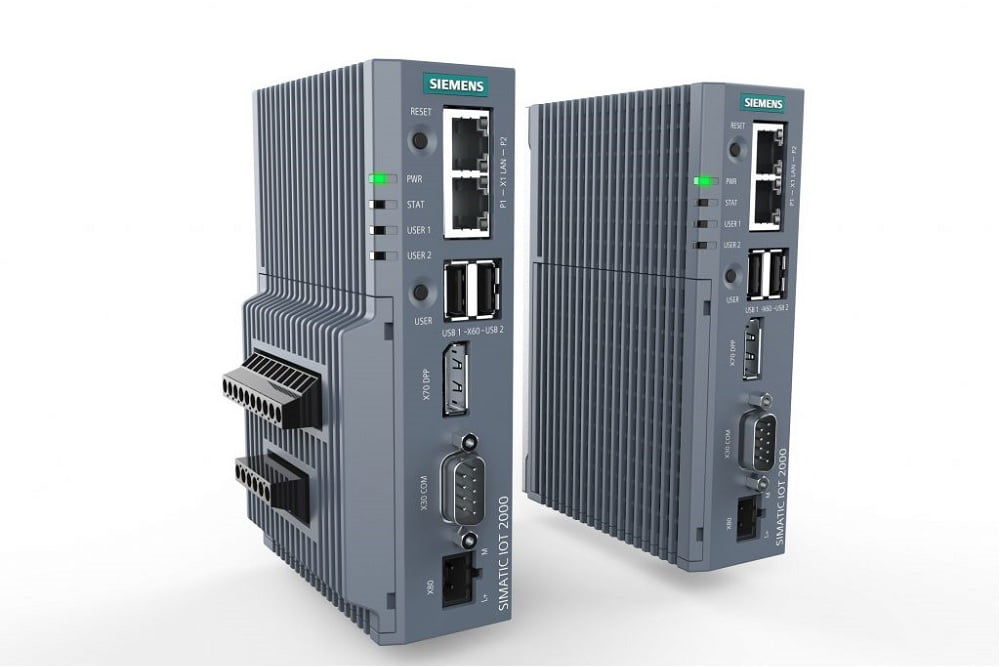
Data flows from PLC sensors through edge devices to cloud analytics platforms using buffering, compression, and prioritization techniques to ensure reliable transmission. Edge computers collect data from multiple PLCs, perform initial processing, and transmit formatted information to cloud systems using optimized communication protocols.
Data synchronization requires precise timestamping and sequence numbering to maintain chronological accuracy across distributed systems. Buffering mechanisms handle network interruptions by storing data locally until connectivity resumes. This approach ensures no critical operational data is lost during transmission.
Cloud analytics platforms receive structured data streams and apply machine learning algorithms for predictive maintenance, quality control, and process optimization. The processed insights flow back to plant operators through dashboards, alerts, and automated control adjustments, creating closed-loop industrial intelligence systems.
Hoe CoNet helpt bij PLC-IoT-integratie
We specialize in connecting Siemens PLC systems to IoT platforms through our expertise in PCS 7 automation and digital grid solutions. Our comprehensive integration services ensure seamless connectivity between industrial control systems and cloud analytics platforms while maintaining operational security and reliability.
Our integration approach includes:
- Assessment of existing PLC infrastructure and IoT requirements
- Design of secure communication architectures using industry-standard protocols
- Implementation of edge computing solutions for real-time data processing
- Configuration of cloud connectivity with robust cybersecurity measures
- Ongoing support and maintenance for optimal system performance
As certified Siemens specialists, we understand the complexities of industrial automation and provide tailored solutions that meet your specific operational needs. Our team ensures your PLC-IoT integration enhances productivity without compromising system reliability or security.
Ready to connect your industrial systems to modern IoT platforms? Contact our specialists to discuss your PLC-IoT integration requirements and discover how we can optimize your industrial processes through intelligent connectivity solutions.