
Programmable Logic Controllers (PLCs) serve as the digital brain of food processing operations, automating complex manufacturing tasks with precision and reliability. These industrial computers control everything from temperature regulation to packaging sequences, ensuring consistent product quality while maintaining strict safety standards. PLCs have revolutionised food production by replacing manual processes with automated systems that operate continuously and respond instantly to changing conditions.
What are PLCs and why are they essential in food processing?
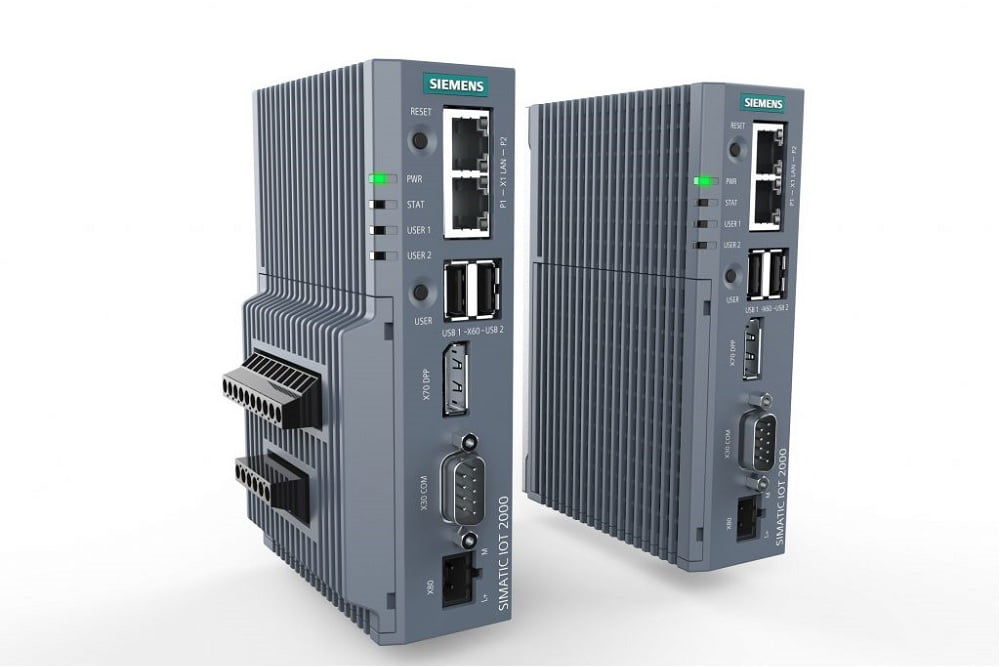
PLCs are specialised industrial computers designed to control manufacturing processes through digital and analogue inputs and outputs. In food processing, they serve as the central nervous system that monitors sensors, controls equipment, and executes programmed sequences automatically.
Unlike traditional relay-based control systems, PLCs offer remarkable flexibility and reliability. They can be reprogrammed quickly to accommodate different products or recipes without rewiring entire systems. This adaptability proves invaluable in food processing facilities that produce multiple product lines or seasonal variations.
The essential nature of PLCs in modern food processing stems from their ability to maintain consistent quality while reducing human error. They execute precise timing sequences, monitor critical parameters continuously, and respond to deviations within milliseconds. This level of control ensures that every batch meets the same exacting standards, regardless of external factors or operator variations.
How do PLCs control temperature and timing in food manufacturing?
PLCs manage temperature control through integrated sensor networks that monitor heating and cooling systems in real time. They receive input from thermocouples, RTDs, and other temperature sensors, then automatically adjust heating elements, steam valves, or cooling systems to maintain precise setpoints.
The timing control capabilities of PLCs enable coordinated sequences across multiple process stages. For cooking operations, PLCs manage preheating phases, maintain specific temperatures for predetermined durations, and initiate cooling cycles automatically. This precise timing ensures consistent texture, flavour, and safety characteristics in the final product.
Advanced PLC systems can manage complex temperature profiles that change over time. For example, in bread baking, the PLC might control a gradual temperature increase during the initial phase, maintain peak temperature for optimal crust formation, then manage controlled cooling to prevent condensation damage.
What specific food processing operations do PLCs automate?
PLCs automate virtually every aspect of food processing, from ingredient handling to final packaging. Mixing operations benefit from PLCs that control ingredient dosing, mixing speeds, and duration to ensure consistent product formulation. The systems can automatically adjust recipes based on batch size or ingredient variations.
Conveyor systems throughout processing facilities rely on PLCs for coordinated movement, speed control, and product routing. These systems manage product flow between different processing stages, ensuring optimal throughput while preventing bottlenecks or product damage.
Quality control operations utilise PLCs to manage automated inspection systems, weight checking, and sorting mechanisms. PLCs can reject products that do not meet specifications, track quality metrics, and adjust upstream processes to maintain standards. Sterilisation and cleaning-in-place (CIP) systems also depend on PLCs for proper sequencing and chemical dosing.
How do PLCs ensure food safety and regulatory compliance?
PLCs support HACCP (Hazard Analysis and Critical Control Points) principles by continuously monitoring critical control points and maintaining detailed records of all process parameters. They automatically log temperature data, pH levels, and other safety-critical measurements required for regulatory compliance.
Alarm systems integrated with PLCs immediately alert operators to deviations from safe operating parameters. These systems can automatically shut down processes, isolate contaminated products, or initiate corrective actions before safety is compromised. The rapid response capability prevents minor deviations from becoming serious safety issues.
Traceability features built into PLC systems track ingredients, processing conditions, and product batches throughout production. This comprehensive data collection enables rapid identification and isolation of products during recalls, while providing the detailed documentation required for regulatory audits and certifications.
What are the main benefits of using PLCs in food processing facilities?
PLCs deliver significant efficiency improvements by enabling continuous operation with minimal manual intervention. They reduce waste through precise control of ingredients, energy consumption, and processing parameters. Consistent product quality results from eliminating human variability in critical processes.
Labour cost reductions occur naturally as PLCs handle routine monitoring and control tasks that previously required constant operator attention. This allows skilled workers to focus on higher-value activities such as quality assurance, maintenance planning, and process optimisation.
Enhanced safety benefits extend beyond food safety to include worker protection. PLCs can isolate dangerous equipment, prevent unsafe operating conditions, and provide comprehensive monitoring of environmental conditions. The real-time data collection enables predictive maintenance strategies that prevent unexpected equipment failures and associated safety risks.
Hoe CoNet helpt bij PLC-implementatie in de voedingsindustrie
We specialise in implementing Siemens PCS7 automation solutions specifically tailored for food processing environments. Our expertise covers the complete project lifecycle, from initial system design through commissioning and ongoing support.
Our comprehensive services include:
- Custom PLC programming for food-specific applications
- Integration with existing production equipment and enterprise systems
- Regulatory compliance support for HACCP and FDA requirements
- 24/7 maintenance and technical support services
- Operator training and documentation development
Ready to optimise your food processing operations with reliable PLC solutions? Contact us to discuss how our Siemens automation expertise can enhance your facility’s efficiency, safety, and compliance capabilities.