
Choosing the right PLC requires evaluating your specific application needs, including I/O requirements, processing power, environmental conditions, and future expansion plans. The correct selection directly impacts operational efficiency, safety, and long-term system performance. Consider factors such as system size, communication protocols, programming languages, and total cost of ownership when making your decision.
What is a PLC and why does choosing the right one matter for your operation?
A programmable logic controller (PLC) is a ruggedised industrial computer that controls manufacturing processes and machinery through digital and analogue inputs and outputs. PLCs replace traditional relay-based control systems with flexible, programmable solutions that can adapt to changing production requirements.
Selecting the appropriate PLC significantly impacts your operation’s efficiency, safety, and profitability. The right choice ensures reliable process control, minimises downtime, and provides scalability for future growth. Poor PLC selection can lead to inadequate performance, costly retrofitting, and compromised safety systems.
Modern PLCs integrate seamlessly with enterprise systems, enabling data collection, process visualisation, and remote monitoring. They support various communication protocols and can interface with sensors, actuators, drives, and other automation components. The controller’s processing power, memory capacity, and I/O capabilities must align with your application’s complexity and real-time requirements.
What are the main types of PLCs and which applications suit each best?
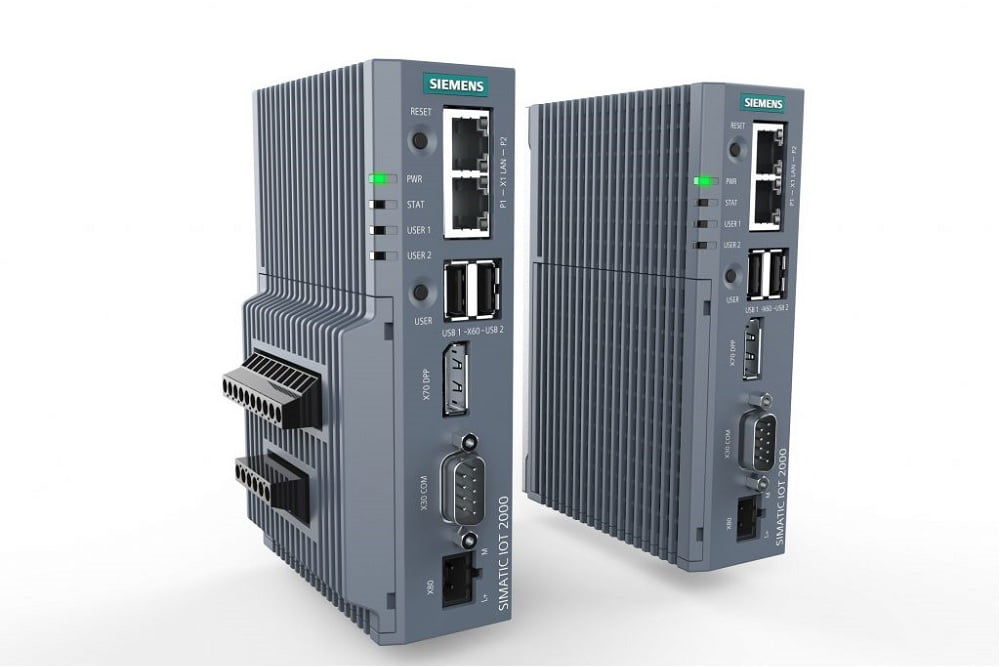
Compact PLCs integrate the processor, I/O, and power supply in a single unit, making them ideal for small to medium applications with limited I/O requirements. They’re perfect for simple machine control, packaging equipment, and standalone processes requiring up to 128 I/O points.
Modular PLCs offer an expandable architecture with separate CPU, I/O modules, and communication cards. These systems excel in medium to large applications requiring flexibility and future expansion. They’re commonly used in manufacturing lines, building automation, and process control systems.
Rack-mounted systems provide maximum flexibility and scalability for complex industrial applications. These PLCs handle hundreds or thousands of I/O points and support advanced functions such as motion control, safety integration, and complex communication networks. They’re essential for large manufacturing facilities and process plants.
Distributed control systems (DCS) combine PLC functionality with advanced process control capabilities. These systems manage entire industrial processes across multiple locations, providing centralised monitoring and control for chemical plants, refineries, and power generation facilities.
How do you determine the right PLC size and capacity for your specific needs?
Calculate your I/O requirements by counting all digital inputs, digital outputs, analogue inputs, and analogue outputs in your system. Add 20–30% spare capacity for future modifications and unexpected requirements. Consider signal types, voltage levels, and current requirements for each I/O point.
Processing power needs depend on your application’s complexity, scan time requirements, and data handling demands. Simple on/off control requires minimal processing power, while complex calculations, PID loops, and communication tasks need faster processors with more memory.
Memory specifications include program memory for your control logic and data memory for variables, recipes, and historical data. Consider the programming language complexity, number of function blocks, and data logging requirements. Allow sufficient memory for program documentation and future enhancements.
Expansion capabilities ensure your system can grow with your operation. Choose PLCs with available expansion slots, communication ports, and upgrade paths. Consider physical space constraints, power supply capacity, and network infrastructure when planning for future growth.
What key technical specifications should you evaluate when comparing PLCs?
Communication protocols determine how your PLC interfaces with other systems, devices, and networks. Ensure compatibility with existing equipment and enterprise systems. Common protocols include EtherNet/IP, PROFINET, Modbus, and proprietary manufacturer networks.
Programming languages affect development time, maintenance ease, and staff training requirements. IEC 61131-3 standard languages include ladder logic, function block diagrams, structured text, instruction lists, and sequential function charts. Choose languages that match your team’s expertise and application requirements.
Environmental ratings ensure reliable operation in your specific conditions. Consider temperature ranges, humidity levels, vibration resistance, and electrical noise immunity. IP ratings indicate protection against dust and moisture, while shock and vibration specifications matter for mobile or harsh applications.
Safety certifications such as SIL (Safety Integrity Level) ratings are crucial for applications requiring functional safety. Integration capabilities with existing systems, third-party devices, and software platforms affect implementation complexity and long-term maintenance. Evaluate diagnostic features, remote access capabilities, and cybersecurity provisions for modern industrial networks.
How do you balance PLC costs with long-term operational requirements?
Initial investment includes hardware costs, software licences, installation, and commissioning expenses. However, lifecycle costs often exceed initial purchase prices through maintenance, training, spare parts, and system modifications over the PLC’s operational life.
Maintenance costs vary significantly between manufacturers and PLC types. Consider spare parts availability, technical support quality, and local service capabilities. Some manufacturers offer comprehensive support packages, while others rely on third-party service providers.
Training requirements affect both initial implementation and ongoing operations. Standardising on one manufacturer’s platform reduces training costs and improves troubleshooting efficiency. We specialise in comprehensive process automation solutions that optimise your entire automation investment from initial design through long-term support.
Total cost of ownership includes energy consumption, software upgrade costs, and system obsolescence planning. Modern PLCs offer improved energy efficiency and longer lifecycle support. Consider the manufacturer’s commitment to backward compatibility and migration paths for future technology transitions. Factor in productivity gains, reduced downtime, and improved process efficiency when evaluating the complete financial impact of your PLC selection.