
Plant batteries require replacement when they show clear signs of degradation, including reduced capacity, physical damage, or performance issues. Key indicators include voltage drops, temperature irregularities, and monitoring system alerts. Regular testing and inspection help determine the optimal replacement timing before critical failures occur.
What are the warning signs that plant batteries need replacement?
Several warning signs indicate when plant batteries need replacement. Capacity loss is the most common indicator, occurring when batteries can no longer hold their rated charge for the required duration. Physical signs include swelling, cracking, or corrosion around terminals and casings.
Temperature changes provide another critical warning sign. Batteries running consistently hotter than normal indicate internal resistance problems and potential failure. Monitoring systems often detect these temperature fluctuations before they become visible issues.
Performance indicators include voltage drops during discharge cycles, longer charging times, and reduced backup duration during power outages. Plant maintenance protocols should include regular monitoring of these parameters to detect deterioration early.
Visual inspection reveals additional warning signs such as electrolyte leakage, terminal corrosion, and case deformation. These physical changes often accompany electrical performance degradation and require immediate attention to prevent safety hazards.
How do you test industrial batteries to determine their condition?
Industrial battery testing involves several methods to assess condition and remaining useful life. Load testing applies a controlled discharge to measure actual capacity compared to rated specifications. This test reveals how batteries perform under real operating conditions.
Impedance testing measures internal resistance without fully discharging the battery. Higher impedance values indicate aging or deterioration. This non-invasive method allows regular monitoring without disrupting plant operations.
Voltage measurements in different operating states provide valuable condition data. Float voltage, discharge voltage under load, and recovery voltage after discharge all indicate battery health. These measurements help establish baseline performance for comparison over time.
Capacity testing involves controlled discharge cycles to determine actual ampere-hour capacity. This comprehensive test shows exactly how much energy the battery can deliver, helping predict remaining service life and replacement timing.
What factors affect battery lifespan in industrial plants?
Environmental conditions significantly impact battery lifespan in industrial settings. Temperature fluctuations accelerate chemical reactions inside batteries, reducing their operational life. High temperatures increase self-discharge rates, while extreme cold reduces available capacity.
Usage patterns affect longevity through discharge depth and frequency. Deep discharge cycles stress batteries more than shallow cycles. Frequent cycling shortens lifespan compared to float-service applications where batteries remain charged until needed.
Maintenance practices directly influence battery life. Proper charging voltage, regular cleaning of terminals, and timely electrolyte maintenance extend service life. Poor maintenance accelerates degradation and increases failure risk.
Operational demands such as high discharge rates, extended backup requirements, and power quality issues stress battery systems. Plants with frequent power disturbances or high electrical loads may experience shorter battery life due to increased cycling and stress.
How often should plant batteries be inspected and maintained?
Plant batteries require regular inspection schedules based on their type and application criticality. Monthly visual inspections should check for physical damage, corrosion, and electrolyte levels. These routine checks identify problems before they become critical failures.
Quarterly maintenance includes voltage measurements, temperature monitoring, and verification of connection tightness. This schedule balances thorough assessment with operational efficiency, ensuring problems are detected early.
Annual comprehensive testing should include capacity testing, load testing, and a complete system evaluation. This detailed assessment determines remaining useful life and helps plan replacement schedules.
Critical applications may require more frequent monitoring. Emergency power systems, safety systems, and continuous process applications benefit from monthly or even weekly monitoring to prevent unexpected failures that could impact operations or safety.
How CoNet helps with battery management and monitoring
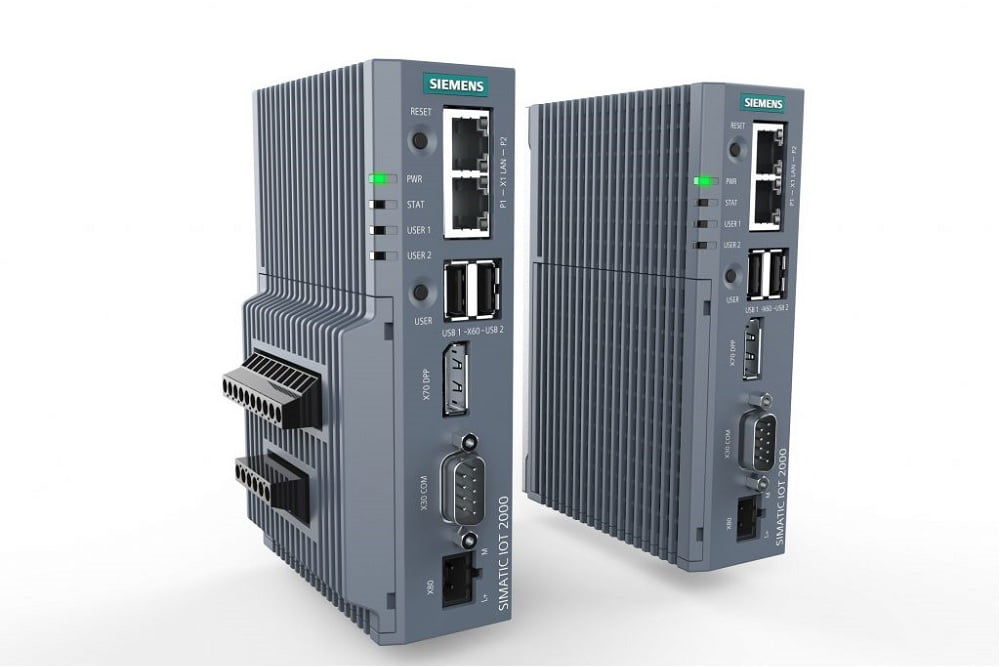
We provide comprehensive battery management solutions through our Siemens-based power monitoring systems. Our expertise includes implementing advanced monitoring technologies that track battery performance, predict maintenance needs, and prevent unexpected failures.
Our battery management services include:
- Installation of Siemens power monitoring systems for real-time battery tracking
- Development of predictive maintenance strategies based on performance data
- Integration with existing plant automation systems for centralized monitoring
- 24/7 monitoring and alert systems for critical battery applications
- Customized maintenance schedules optimized for your specific operations
As a leading Siemens specialist in industrial automation, we understand how proper battery management integrates with overall plant maintenance strategies. Our solutions help prevent costly downtime while extending battery life through optimized charging and monitoring protocols.
Ready to improve your battery management system? Contact us to discuss how our Siemens-based solutions can enhance your plant’s power reliability and reduce maintenance costs.