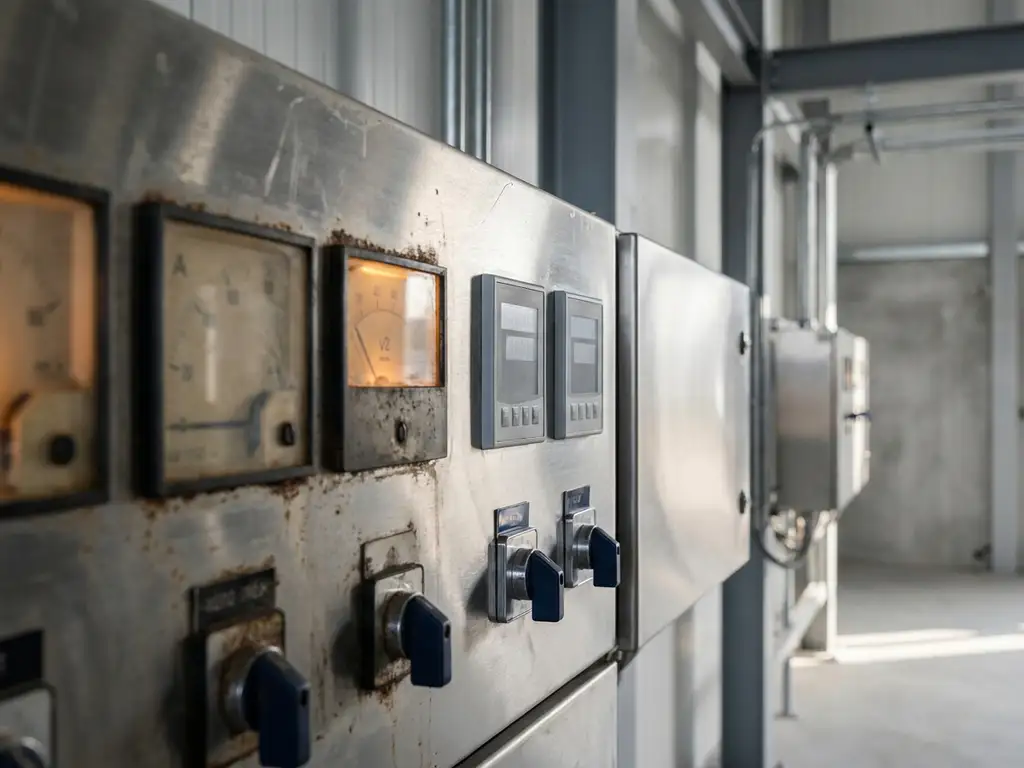

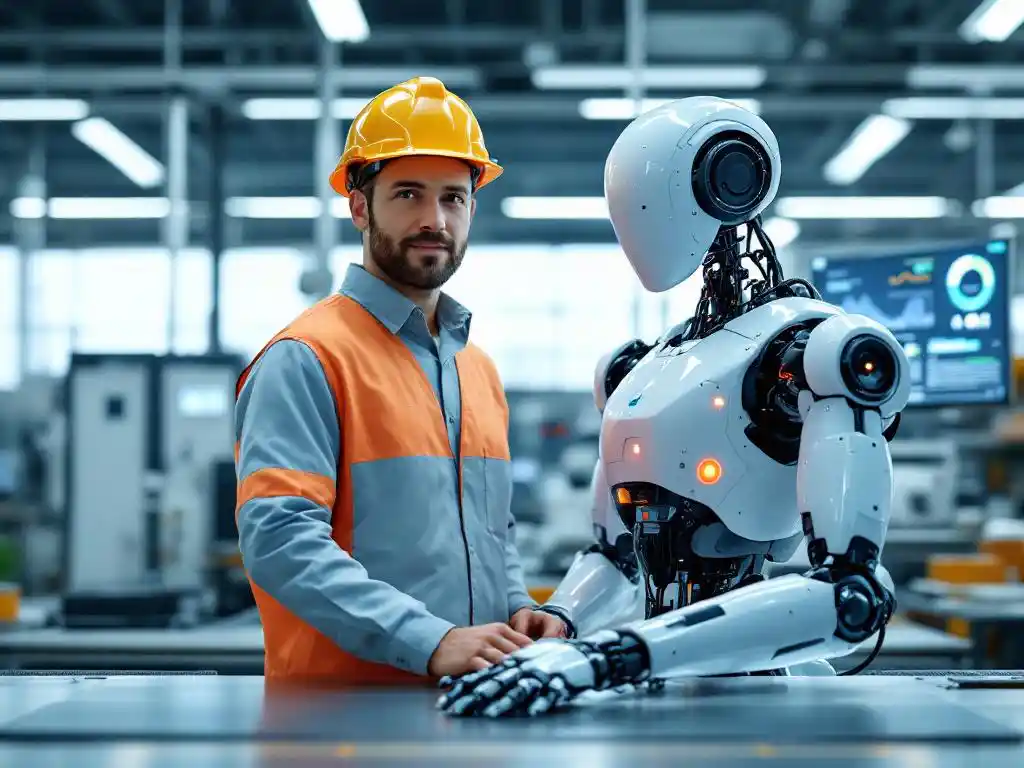
Training workers for automated manufacturing environments requires a structured approach combining technical education, hands-on practice, and ongoing support. Successful programmes focus on developing both technical competencies and adaptability skills while addressing individual learning needs. The process typically involves assessment, customised training plans, practical application, and continuous development to ensure workers can effectively operate and maintain automated systems.
What skills do workers need for automated manufacturing environments?
Workers in automated manufacturing environments need technical competencies, safety awareness, and digital literacy to operate complex systems effectively. Essential skills include understanding control system interfaces, interpreting data displays, basic troubleshooting abilities, and following safety protocols specific to automated equipment.
Technical competencies form the foundation of effective automation work. Operators must understand how to navigate human-machine interfaces (HMIs), read system diagnostics, and recognise normal versus abnormal operating conditions. They need familiarity with industrial automation concepts such as sensors, actuators, and control loops.
Safety protocols become more critical in automated environments where machinery operates with minimal human intervention. Workers must understand lockout/tagout procedures, emergency stop systems, and safe zones around automated equipment. They should recognise potential hazards unique to robotic systems and automated processes.
Digital literacy encompasses basic computer skills, an understanding of network connectivity, and the ability to use digital documentation systems. Workers increasingly interact with tablets, computers, and mobile devices to monitor production, access work instructions, and report issues.
How do you assess current workforce capabilities for automation readiness?
Competency assessments and skills audits help identify knowledge gaps and training priorities before implementing automation systems. Effective evaluation combines practical demonstrations, written assessments, and structured interviews to understand current capabilities and learning needs.
Skills audits begin with mapping existing employee capabilities against automation requirements. This involves reviewing current job functions, technical experience, and educational backgrounds. Many companies use competency matrices to visualise skill levels across different areas such as mechanical aptitude, electrical knowledge, and computer literacy.
Practical assessments provide the most accurate picture of worker readiness. These might include hands-on tasks using similar equipment, problem-solving scenarios, or simulated troubleshooting exercises. Observing how workers approach unfamiliar technology reveals their adaptability and learning potential.
Performance evaluations should consider both technical abilities and soft skills such as communication, teamwork, and willingness to learn. Workers who demonstrate curiosity and adaptability often succeed in automated environments, even if their initial technical knowledge is limited.
What are the most effective training methods for industrial automation?
Blended learning programmes combining hands-on practice, simulation-based training, and classroom instruction deliver the most effective results for industrial automation education. This approach accommodates different learning styles while providing comprehensive skill development.
Hands-on training with actual equipment provides irreplaceable experience. Workers develop muscle memory for common tasks, build confidence with real systems, and understand the physical aspects of automated equipment. However, this method can be expensive and may disrupt production.
Simulation-based learning offers safe, cost-effective practice opportunities. Modern simulators replicate actual system behaviour, allowing workers to practise normal operations and emergency scenarios without production risks. Virtual reality training is becoming increasingly popular for complex or hazardous procedures.
Classroom instruction builds theoretical understanding and provides a structured learning progression. Topics such as automation principles, safety regulations, and system architecture are effectively taught through traditional methods. Digital learning platforms enable flexible scheduling and self-paced learning.
Mentoring programmes pair experienced workers with newcomers, facilitating knowledge transfer and cultural integration. This approach helps preserve institutional knowledge while providing personalised guidance for individual learning needs.
How long does it take to train workers for automated systems?
Training duration varies from 2–4 weeks for basic operator skills to 6–12 months for advanced troubleshooting and maintenance capabilities. Factors influencing the timeline include worker background, system complexity, training intensity, and required proficiency levels.
Basic operator training typically requires 2–4 weeks of intensive instruction. This covers system start-up and shutdown procedures, normal operation monitoring, basic troubleshooting, and safety protocols. Workers with relevant technical backgrounds may progress faster, while those new to industrial automation may need additional time.
Advanced skills development extends over 3–6 months for troubleshooting capabilities and 6–12 months for maintenance responsibilities. These programmes include deeper system understanding, diagnostic techniques, preventive maintenance procedures, and complex problem-solving skills.
System complexity significantly impacts training duration. Simple automated systems with intuitive interfaces require less training time than complex integrated systems with multiple subsystems and advanced control strategies.
Individual factors affect learning speed, including prior experience, educational background, and personal motivation. Some workers excel quickly, while others need additional support and practice time to achieve competency.
What challenges do companies face when training workers for automation?
Common obstacles include resistance to change, varying skill levels among workers, resource constraints, and maintaining production during training periods. Successful companies address these challenges through clear communication, flexible training approaches, and strong management support.
Resistance to change often stems from job security concerns and fear of technology. Workers may worry that automation threatens their employment or that they cannot learn new skills. Addressing these concerns requires transparent communication about the benefits of automation and the associated career development opportunities.
Variations in skill levels create training complexity when some workers need basic computer literacy while others require advanced technical instruction. Companies address this through individualised assessment and tailored training paths that meet each worker where they are.
Resource constraints limit training options, particularly for smaller manufacturers. Budget restrictions may prevent comprehensive programmes, while staffing limitations make it difficult to release workers for extended training periods.
Production continuity requirements complicate training scheduling. Companies must balance training needs with operational demands, often requiring creative solutions such as shift-based training, weekend sessions, or phased implementation approaches.
Hoe CoNet helpt met automatiseringstraining
We provide comprehensive workforce development solutions specifically designed for Siemens automation systems, including specialised training programmes that prepare workers for modern industrial automation environments. Our approach combines technical expertise with practical application to ensure effective skill development.
Our training services include:
- Customised PCS7 training programmes tailored to specific industrial environments and skill levels
- Hands-on instruction using actual Siemens equipment and software
- Competency assessment and skills gap analysis
- Ongoing support services and refresher training opportunities
- Flexible delivery options, including on-site and remote instruction
We understand that effective automation training requires more than technical knowledge. Our programmes address safety protocols, troubleshooting methodologies, and operational best practices specific to your industry and applications.
Ready to develop your workforce for automation success? Contact us to discuss customised training solutions that meet your specific needs and ensure your team is prepared for the future of industrial automation.