
Industrial automation reduces human error by replacing manual processes with computerised systems that operate with consistent precision and accuracy. Automated systems eliminate common mistakes such as calculation errors, timing inconsistencies, and fatigue-related lapses that frequently occur in manual operations. These technologies use real-time monitoring, predictive algorithms, and standardised procedures to maintain quality while reducing costly production errors.
What types of human errors does industrial automation prevent?
Industrial automation prevents numerous types of human errors that commonly affect manual operations. Manual data entry mistakes are eliminated when sensors automatically collect and transmit information directly to control systems. Workers no longer need to read gauges and manually input values, removing transcription errors that can cascade through production processes.
Timing errors represent another significant area where automation excels. Human operators may miss critical timing windows for adding ingredients, adjusting temperatures, or initiating process steps. Automated systems execute these actions with microsecond precision, ensuring optimal process conditions every time.
Calculation errors disappear when computerised systems handle complex mathematical operations. Rather than relying on operators to perform mental calculations or use calculators, automation systems instantly compute required adjustments based on multiple variables simultaneously.
Procedural inconsistencies occur when different operators follow slightly different approaches to the same task. Automation ensures identical procedures are followed every time, eliminating variations in technique, sequence, or methodology that can affect product quality.
Fatigue-related mistakes are eliminated with automated systems that operate continuously without performance degradation. Human operators experience decreased alertness during long shifts, night work, or repetitive tasks, leading to oversights and poor decision-making.
How do automated systems detect and prevent mistakes before they happen?
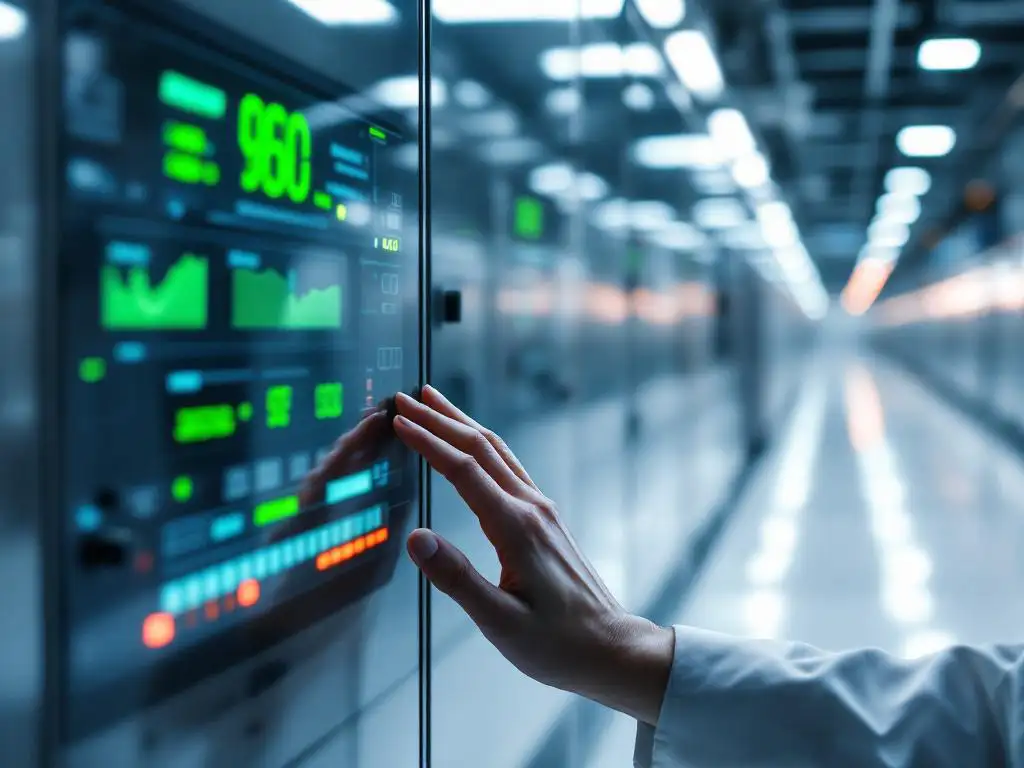
Automated systems use sophisticated monitoring and validation techniques to identify potential problems before they impact production. Real-time monitoring capabilities continuously track process parameters, comparing actual conditions against predetermined specifications and immediately flagging deviations.
Sensor-based detection systems provide the foundation for error prevention. Temperature sensors, pressure gauges, flow meters, and quality measurement devices feed continuous data streams to control systems. When readings fall outside acceptable ranges, automated responses can adjust process conditions or halt operations to prevent defective products.
Predictive algorithms analyse historical data patterns to anticipate potential failures or quality issues. These systems can identify trends that suggest equipment wear, process drift, or other conditions that might lead to errors if left uncorrected.
Data validation and cross-checking procedures verify information accuracy across multiple sources. If sensor readings conflict or seem implausible, the system can request verification, switch to backup sensors, or alert operators to investigate potential issues.
Immediate feedback loops enable rapid corrections when deviations occur. Rather than waiting for end-of-batch quality testing, automated systems make continuous adjustments to maintain optimal conditions throughout production cycles.
What’s the difference between human oversight and automated control in manufacturing?
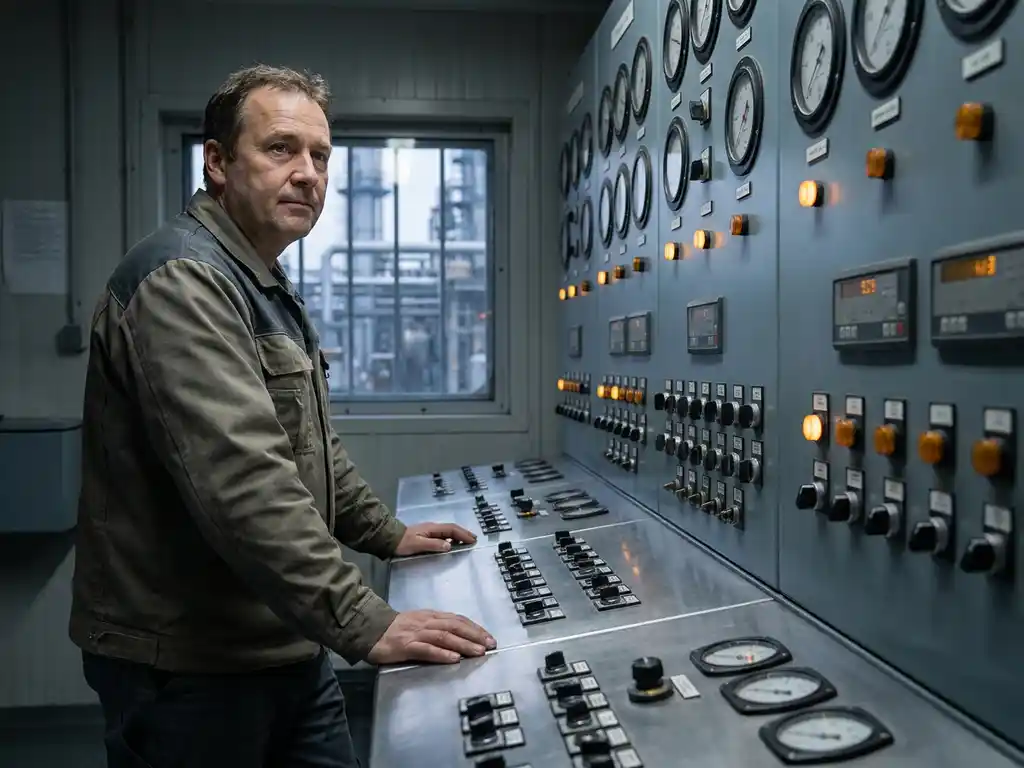
The fundamental difference lies in the consistency, speed, and reliability of responses. Human oversight relies on individual judgement, experience, and physical capabilities, while automated control follows programmed logic and predetermined responses to specific conditions.
Response times differ dramatically between human and automated systems. Humans may take several seconds or minutes to recognise problems, analyse situations, and implement corrections. Automated systems can detect and respond to issues within milliseconds, preventing minor deviations from becoming major problems.
Consistency levels vary significantly with human operators due to factors such as experience, training, fatigue, and personal approaches to problem-solving. Automated systems deliver identical responses to identical situations every time, ensuring predictable outcomes.
Accuracy rates tend to be higher with automated systems for routine monitoring and control tasks. Humans excel at creative problem-solving and handling unexpected situations, but machines outperform humans in repetitive precision tasks requiring constant attention.
The optimal approach combines human expertise for strategic decisions and complex problem-solving with automated precision for routine control and monitoring tasks. This balance leverages the strengths of both while minimising their respective limitations.
Why do automated processes maintain consistency better than manual operations?
Automated processes eliminate human variability factors that naturally affect manual operations. Fatigue, distraction, skill differences, and emotional influences have no impact on automated systems, which operate according to programmed parameters regardless of external conditions.
Standardised procedures are built into automated systems, ensuring identical execution every time. Manual operations can vary based on individual interpretation of instructions, personal techniques, or shortcuts that operators develop over time. Automation removes these variables by following exact programmed sequences.
Skill differences between operators disappear with automation. Experienced workers might achieve better results than newer employees in manual operations, but automated systems perform identically regardless of who initiates or supervises the process.
Emotional influences such as stress, frustration, or complacency can affect human performance but have no impact on automated systems. Machines do not have bad days or become overconfident, maintaining consistent performance levels throughout operation.
Environmental factors such as noise, temperature, or lighting conditions that might affect human performance do not influence automated system accuracy. This consistency is particularly valuable in challenging industrial environments where human comfort and performance might be compromised.
How does industrial automation reduce human error?
Industrial automation creates comprehensive error-reduction frameworks through integrated monitoring, control, and safety systems. Advanced process control systems continuously monitor multiple parameters simultaneously, making real-time adjustments that maintain optimal conditions without human intervention.
Real-time monitoring capabilities track every aspect of production processes, from raw material inputs to finished product quality. These systems can detect minute variations that human operators might miss and respond immediately to prevent quality issues.
Integrated safety mechanisms provide multiple layers of protection against errors. Emergency shutdown systems, pressure relief valves, and automated safety interlocks prevent dangerous conditions from developing, even if primary control systems experience problems.
Process optimisation algorithms continuously analyse production data to identify improvement opportunities and automatically implement adjustments that enhance efficiency while reducing error potential.
How CoNet helps with industrial automation error reduction
We specialise in implementing Siemens automation solutions that significantly reduce human error through proven technologies and methodologies. Our approach focuses on creating robust, reliable systems that enhance both safety and productivity.
Our comprehensive services include:
- Advanced PCS 7 process control system implementation for precise automated control
- Real-time monitoring system design and installation
- Integrated safety mechanism configuration and testing
- Custom automation solutions tailored to specific industrial requirements
- 24/7 support and maintenance services
Ready to reduce human error in your industrial processes? Contact us to discuss how our Siemens automation expertise can improve your operational reliability and product quality.