
PLC maintenance involves systematic inspection, cleaning, testing, and updating of programmable logic controller hardware and software components. Proper maintenance prevents unexpected downtime, reduces safety risks, and extends equipment lifespan while maintaining optimal performance. Effective maintenance combines scheduled preventive tasks with condition-based monitoring to ensure reliable industrial automation operations across all sectors.
What is PLC maintenance and why is it critical for industrial operations?
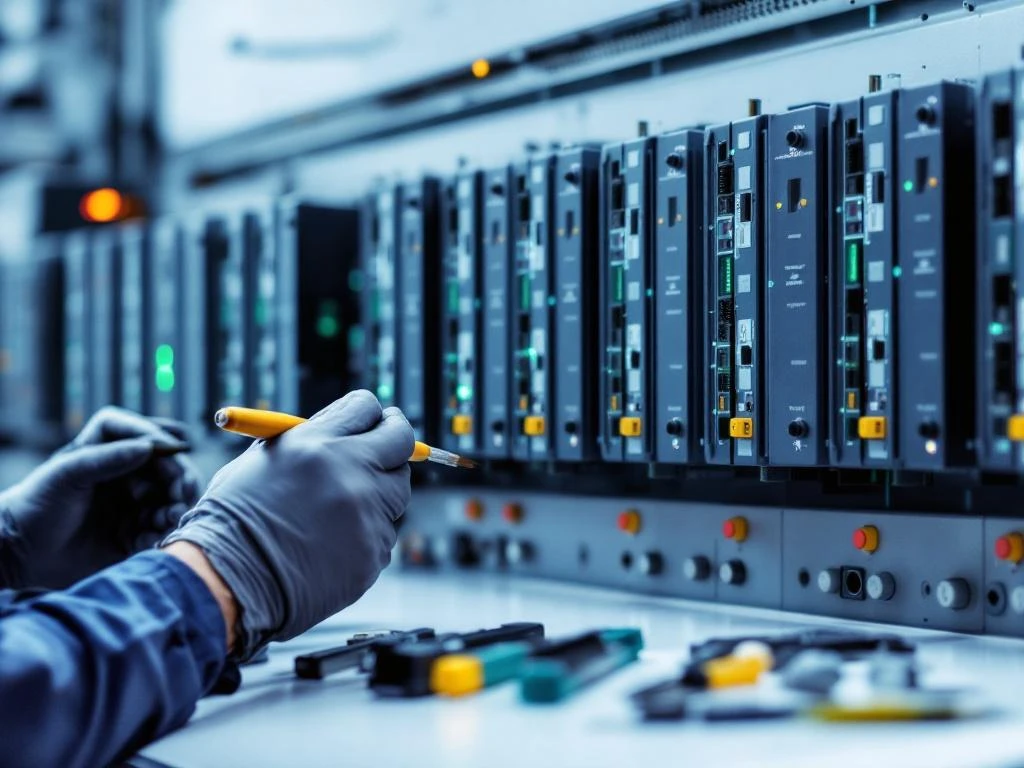
PLC maintenance encompasses both hardware and software maintenance activities designed to keep programmable logic controllers operating reliably. Hardware maintenance includes cleaning components, checking connections, testing power supplies, and inspecting I/O modules. Software maintenance involves backing up programs, updating firmware, and verifying logic integrity.
This maintenance is critical because PLC failures can halt entire production lines, potentially costing thousands of pounds per hour in lost productivity. Beyond financial impacts, poorly maintained systems pose safety risks to personnel and equipment. Regular maintenance identifies potential problems before they cause failures, allowing for planned repairs during scheduled downtime rather than emergency shutdowns.
Well-maintained PLC systems typically last 15–20 years compared to 8–12 years for neglected systems. Investment in regular maintenance pays for itself through reduced replacement costs, fewer emergency repairs, and consistent production output. Modern process automation relies heavily on PLC reliability, making maintenance an essential operational requirement.
How often should you perform preventive maintenance on PLC systems?
PLC preventive maintenance should follow a tiered schedule with daily visual inspections, weekly system checks, monthly detailed inspections, and annual comprehensive overhauls. Daily tasks include checking indicator lights and alarm conditions. Weekly tasks involve reviewing system logs and testing backup systems.
Monthly maintenance includes cleaning components, checking cable connections, testing communication links, and verifying program backups. Annual maintenance involves comprehensive testing of all I/O points, power supply load testing, battery replacement, and firmware updates. Critical systems may require more frequent attention.
Environmental factors significantly influence maintenance frequency. Harsh conditions with dust, moisture, or temperature extremes require more frequent cleaning and inspection. High-vibration environments need regular connection checks. Critical systems supporting safety functions or continuous processes benefit from shortened intervals.
Developing a customised maintenance calendar involves assessing system criticality, operating environment, manufacturer recommendations, and historical failure patterns. Document all activities and adjust schedules based on findings. Start with manufacturer guidelines and refine them based on actual operating conditions.
What are the most common PLC problems and how do you prevent them?
The most frequent PLC problems include power supply failures, I/O module malfunctions, communication errors, and memory corruption. Power supply issues account for approximately 30% of PLC failures, often caused by voltage fluctuations, overloading, or component ageing.
I/O module problems typically result from environmental contamination, loose connections, or electrical interference. Communication errors occur due to cable damage, network congestion, or protocol mismatches. Memory corruption can result from power interruptions, electromagnetic interference, or component failure.
Prevention strategies include installing proper surge protection and uninterruptible power supplies to protect against power issues. Regular cleaning prevents contamination-related failures. Proper cable routing and shielding reduce electromagnetic interference. Maintaining spare I/O modules enables quick replacement when problems occur.
Early warning signs include intermittent faults, slower response times, increased error messages, and unusual indicator light patterns. Monitoring diagnostic registers and system logs helps identify developing problems. Temperature monitoring can reveal cooling issues before components fail. Regular backup verification ensures program integrity.
Which maintenance tools and techniques deliver the best results for PLC systems?
Essential PLC maintenance tools include digital multimeters for electrical measurements, oscilloscopes for signal analysis, and specialised diagnostic software for system monitoring. Multimeters verify power supply voltages and I/O signal levels. Oscilloscopes help diagnose communication and timing issues.
Diagnostic software provides real-time system monitoring, fault logging, and performance analysis. Many PLC manufacturers offer dedicated maintenance software that interfaces directly with their systems. Handheld diagnostic tools can test network cables and communication links efficiently.
Proper cleaning techniques vary by environment but generally involve using approved solvents and lint-free cloths. Avoid compressed air in dusty environments, as it can blow contamination deeper into components. Use vacuum cleaners with anti-static attachments instead. Clean contacts with appropriate contact cleaners.
Cable management best practices include proper routing to avoid interference sources, adequate support to prevent stress, and clear labelling for easy identification. Document all changes and maintain up-to-date drawings. Regular thermal imaging can identify overheating connections before they fail. Systematic documentation tracking enables trend analysis and predictive maintenance scheduling.
Implementing these maintenance best practices ensures reliable PLC operation while minimising unexpected downtime. Regular maintenance schedules, proper tools, and systematic documentation form the foundation of effective industrial automation maintenance. Consider partnering with experienced automation specialists who understand the complexities of modern process control systems and can provide comprehensive support throughout your system’s lifecycle.