
PLCs serve as the central nervous system of industrial control systems, managing automated processes across manufacturing environments. A programmable logic controller continuously monitors input signals from sensors, executes programmed logic, and controls output devices such as motors and valves to maintain precise operational control. These robust computers replaced traditional relay-based systems to provide flexible, reliable automation solutions.
What exactly is a PLC and how does it differ from other control systems?
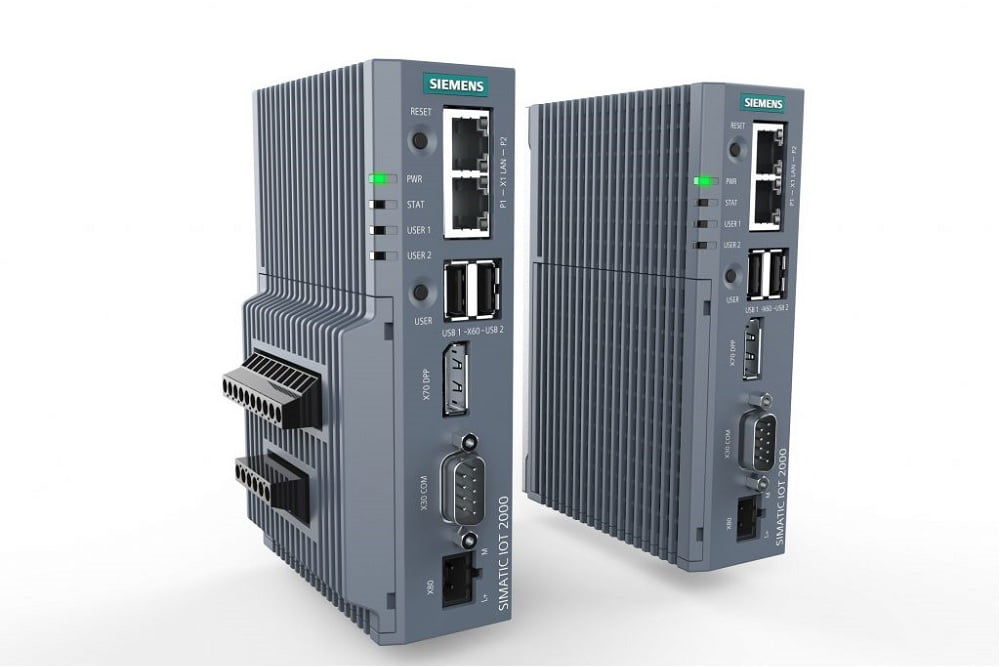
A programmable logic controller is a ruggedized industrial computer designed to control manufacturing processes and machinery in harsh environments. Unlike standard computers, PLCs feature specialized input/output modules, real-time processing capabilities, and programming languages specifically developed for industrial automation applications.
The key difference between PLCs and traditional relay-based systems lies in their programmability and flexibility. Whereas relay systems required physical rewiring to change control logic, PLCs allow engineers to modify operations through software programming. This software-based approach enables rapid production changes without costly hardware modifications.
PLCs differ from standard computers in several critical ways. They operate in deterministic real-time environments, meaning they execute programs within precise timing constraints. Their rugged construction withstands temperature extremes, vibration, electrical interference, and moisture that would damage conventional computers. Additionally, PLCs use industrial communication protocols and specialized programming languages such as ladder logic that mirror traditional electrical control diagrams.
The transition to PLCs became the industry standard because they combine the reliability of hardwired control systems with the flexibility of computer-based solutions, making them ideal for modern manufacturing requirements.
How do PLCs actually control industrial processes and equipment?
PLCs control industrial processes through a continuous three-step cycle: input scanning, program execution, and output updating. This scan cycle typically completes in milliseconds, ensuring real-time response to changing process conditions and maintaining precise control over automated systems.
During the input scan phase, the PLC reads the current status from all connected sensors, switches, and measurement devices. These input signals provide information about temperature, pressure, position, flow rates, and other critical process variables. The PLC stores this input data in memory for processing during the next phase.
Program execution involves processing the stored input data through the control logic programmed by engineers. The PLC evaluates conditions, performs calculations, and determines appropriate responses based on the programmed instructions. This logic can include simple on/off decisions or complex mathematical operations for advanced process control.
The output update phase sends control signals to actuators, motors, valves, and other field devices based on the results of program execution. These outputs directly control physical processes, adjusting parameters such as motor speed, valve positions, or heating elements to maintain desired operating conditions.
This continuous scanning approach ensures that PLCs respond quickly to process changes while maintaining the deterministic timing essential for safe and efficient industrial operations.
What are the main components that make up a PLC system?
A complete PLC system consists of four essential hardware components: the central processing unit (CPU), input/output modules, power supply, and programming device. Each component plays a specific role in creating a functional industrial control system that reliably manages automated processes.
The CPU serves as the system’s brain, executing control programs and managing communication between all system components. Modern PLC processors feature high-speed operation, substantial memory capacity, and built-in communication interfaces for networking with other industrial systems. The CPU also includes diagnostic capabilities that monitor system health and identify potential issues.
Input/output modules provide the interface between the PLC and field devices. Input modules convert signals from sensors and switches into a digital format the CPU can process. Output modules convert CPU commands into appropriate signals for controlling motors, valves, and other actuators. These modules are available in various configurations to handle different signal types, including digital, analog, and specialized communications.
The power supply converts standard electrical power into the precise voltages required by PLC components. Industrial power supplies are designed to handle voltage fluctuations and electrical noise common in manufacturing environments. Many systems include backup power capabilities to maintain operation during brief power interruptions.
Programming devices, typically industrial computers or specialized terminals, allow engineers to develop, modify, and troubleshoot control programs. Modern programming software provides graphical interfaces that simplify program development and system maintenance.
Why are PLCs considered essential for modern manufacturing operations?
PLCs are essential for modern manufacturing because they provide unmatched flexibility, reliability, and integration capabilities that traditional control methods cannot match. They enable rapid production changes, reduce downtime through predictive maintenance, and integrate seamlessly with enterprise-level systems for comprehensive operational visibility.
The flexibility of PLC systems allows manufacturers to quickly adapt to changing market demands without extensive hardware modifications. Production lines can be reconfigured through software changes, new products can be accommodated by updating control programs, and seasonal variations can be managed through different operating modes. This adaptability provides significant competitive advantages in dynamic markets.
Reliability remains a cornerstone benefit of PLC technology. These systems operate continuously in harsh industrial environments while maintaining precise control over critical processes. Built-in diagnostics identify potential issues before they cause failures, while redundant system architectures ensure continued operation even when individual components require maintenance.
Cost-effectiveness emerges through reduced installation time, simplified maintenance procedures, and improved energy efficiency. PLCs eliminate the complex wiring requirements of traditional control systems, reducing installation costs and potential failure points. Maintenance becomes more efficient through software-based diagnostics and the ability to modify systems without physical rewiring.
Integration with enterprise systems such as SCADA, MES, and ERP platforms enables comprehensive process optimization. We specialize in creating these integrated solutions that connect plant-floor operations with business systems, providing the real-time visibility needed for effective decision-making and continuous improvement initiatives.
How do PLCs integrate with other industrial automation technologies?
PLCs integrate with industrial automation technologies through standardized communication protocols and networking architectures that enable seamless data exchange between control systems, human-machine interfaces, and enterprise software platforms. This integration forms the foundation of modern Industry 4.0 and smart manufacturing initiatives.
Human-machine interface (HMI) systems connect directly to PLCs to provide operators with real-time process visualization and control capabilities. These graphical interfaces display process data, alarm conditions, and trending information while allowing operators to adjust setpoints and acknowledge alarms. Advanced HMI systems support remote access capabilities for off-site monitoring and control.
SCADA networks extend PLC connectivity across multiple sites and systems, creating centralized monitoring and control capabilities. Industrial communication protocols such as Ethernet/IP, Profinet, and Modbus enable reliable data exchange between PLCs and supervisory systems. These networks support both local area connections and wide area communications for distributed operations.
Enterprise software integration connects PLCs with manufacturing execution systems (MES), enterprise resource planning (ERP), and business intelligence platforms. This connectivity enables real-time production reporting, quality tracking, and performance analysis that supports data-driven decision-making throughout the organization.
The role of PLCs in Industry 4.0 initiatives centers on their ability to collect, process, and share operational data that enables predictive maintenance, quality optimization, and energy management. Our process automation solutions leverage these capabilities to create scalable, end-to-end systems that transform traditional manufacturing operations into intelligent, connected enterprises capable of adapting to changing market demands while maintaining operational excellence.