
PLC automation uses programmable logic controllers to manage industrial processes automatically, replacing manual operations with precise digital control. These systems monitor inputs, execute programmed logic, and control outputs to operate machinery, manage production lines, and ensure consistent quality. PLC automation delivers improved efficiency, enhanced safety, reduced costs, and reliable operation across manufacturing industries worldwide.
What exactly is PLC automation and how does it work?
PLC automation is a control system that uses programmable logic controllers to automate industrial processes and equipment operations. These digital computers receive input signals from sensors, process the information according to programmed instructions, and send output commands to control motors, valves, lights, and other devices.
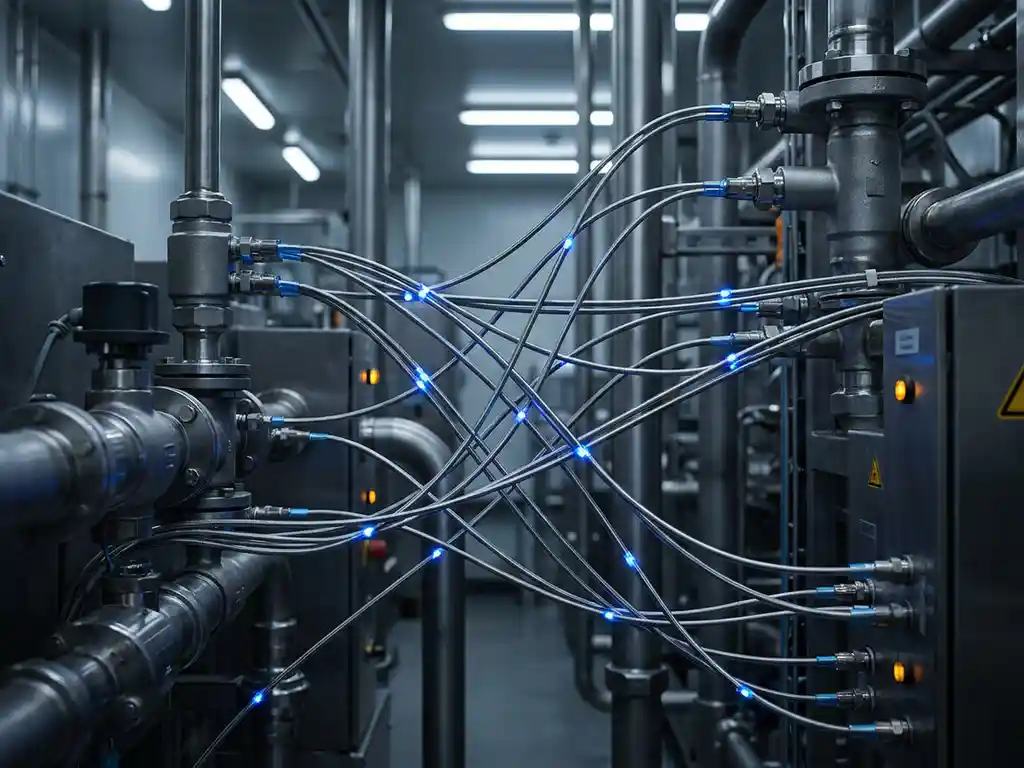
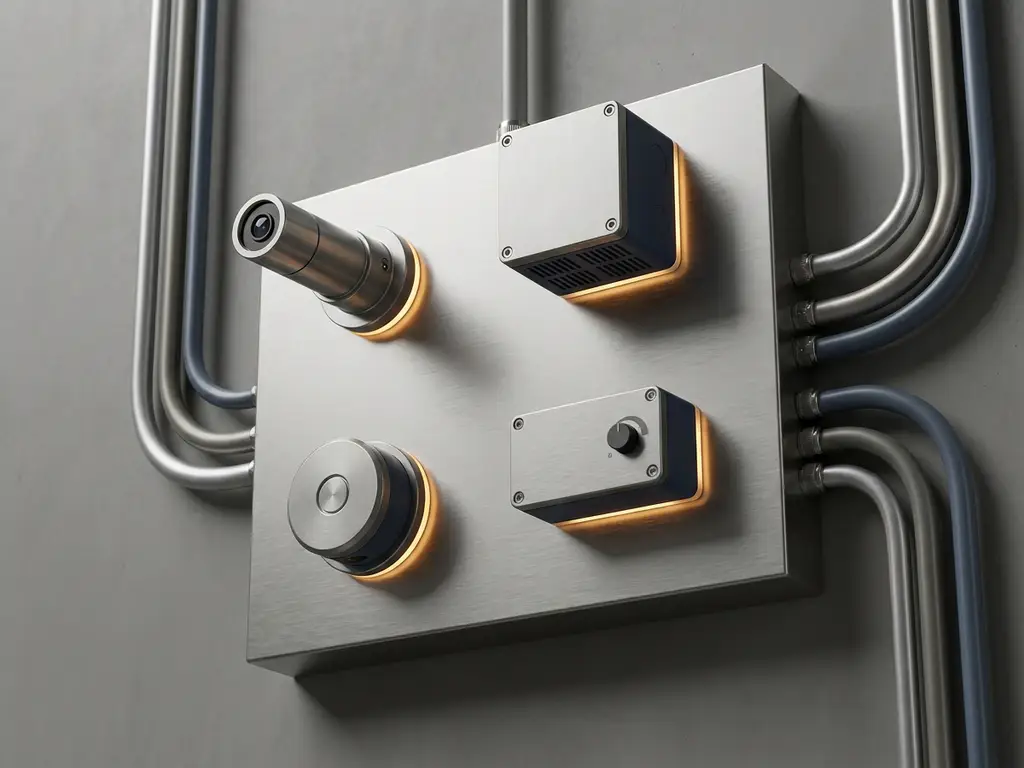
The system works through a continuous cycle of scanning inputs, executing the control program, and updating outputs. Input modules collect data from sensors measuring temperature, pressure, flow rates, or position. The central processing unit analyzes this information against the programmed logic, then sends commands through output modules to control actuators, drives, and other field devices.
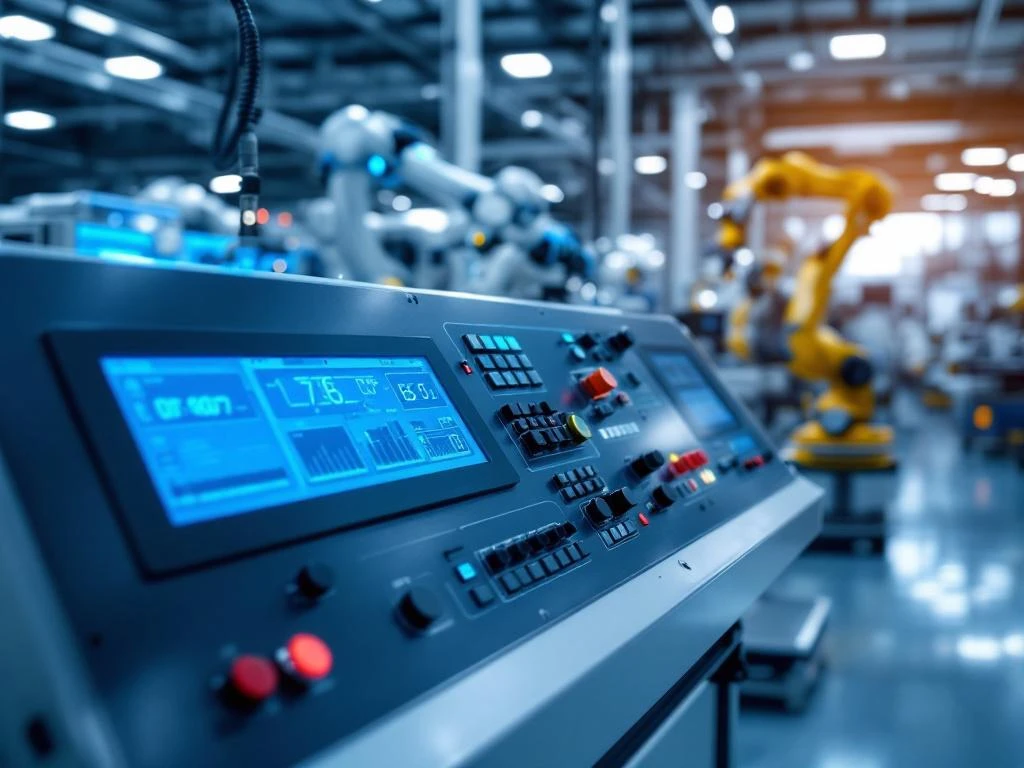
Modern PLC systems integrate with human-machine interfaces (HMIs) for operator control and monitoring. They communicate with supervisory systems and databases, enabling real-time data collection and remote monitoring. This connectivity allows operators to adjust parameters, monitor performance, and respond quickly to changing conditions without manual intervention.
How does PLC automation improve operational efficiency in manufacturing?
PLC automation dramatically improves operational efficiency by eliminating human error, reducing response times, and maintaining consistent process parameters. Automated systems operate continuously without fatigue, ensuring uniform product quality and optimal production speeds around the clock.
Automated processes respond to changing conditions in milliseconds rather than minutes, preventing quality issues and reducing waste. The systems maintain precise control over temperature, pressure, flow rates, and timing, delivering consistent results that manual operations cannot match. This precision reduces material waste and energy consumption while maximizing throughput.
Integration with manufacturing execution systems (MES) enables real-time production tracking and optimization. Operators receive immediate alerts about equipment issues, allowing preventive maintenance before costly breakdowns occur. The systems also collect performance data automatically, identifying bottlenecks and inefficiencies that might otherwise go unnoticed.
Changeover times between products decrease significantly with automated recipe management and parameter adjustment. This flexibility allows manufacturers to respond quickly to market demands while maintaining high efficiency across different production requirements.
What are the key safety benefits of implementing PLC automation systems?
PLC automation systems provide comprehensive safety benefits through integrated emergency shutdown capabilities, continuous hazard monitoring, and fail-safe operating modes. These systems detect dangerous conditions instantly and execute protective actions faster than human operators could respond.
Emergency shutdown systems monitor critical parameters continuously and initiate safe shutdowns when dangerous conditions arise. Safety-rated PLCs comply with international standards such as IEC 61508 and IEC 61511, providing certified protection for personnel and equipment. These systems include redundant components and diagnostic functions to ensure reliable safety performance.
Automated safety systems reduce human exposure to hazardous environments by enabling remote operation and monitoring. Personnel can control processes from safe locations while maintaining full operational capability. The systems also prevent unsafe operating conditions through interlocks that prevent equipment startup without proper safety conditions.
Continuous monitoring and data logging support compliance with safety regulations and provide audit trails for incident investigation. Predictive maintenance capabilities identify potential safety issues before they become hazardous, while automated testing ensures safety systems remain functional and reliable.
How much can companies save with PLC automation in the long term?
Companies typically achieve substantial long-term savings through reduced labor costs, decreased waste, lower maintenance expenses, and improved energy efficiency. PLC automation eliminates the need for manual process control while reducing operator requirements for routine tasks, allowing skilled personnel to focus on higher-value activities.
Operational cost reductions result from consistent process control that minimizes material waste and energy consumption. Automated systems optimize equipment performance, extending machinery lifespan and reducing replacement costs. Predictive maintenance capabilities prevent costly emergency repairs and unplanned downtime.
Quality improvements reduce rework costs and warranty claims while improving customer satisfaction and market competitiveness. Automated documentation and reporting reduce administrative overhead and ensure compliance with regulatory requirements without additional personnel.
Energy efficiency improvements through optimized control strategies often provide significant ongoing savings. The systems adjust heating, cooling, and motor speeds based on actual requirements rather than conservative manual settings, reducing utility costs substantially over time.
What industries benefit most from PLC automation implementation?
Chemical processing, food and beverage, oil and gas, pharmaceuticals, and discrete manufacturing industries benefit most from PLC automation due to their requirements for precise control, safety, and regulatory compliance. These sectors demand consistent quality, traceability, and reliable operation that automated systems deliver effectively.
Chemical and pharmaceutical industries require precise temperature, pressure, and mixing control for product quality and safety. PLC systems provide the accuracy and documentation needed for regulatory compliance while ensuring operator safety in potentially hazardous environments.
Food and beverage manufacturers benefit from automated recipe management, consistent processing conditions, and comprehensive batch tracking. These capabilities ensure product quality, support regulatory compliance, and enable rapid changeovers between different products.
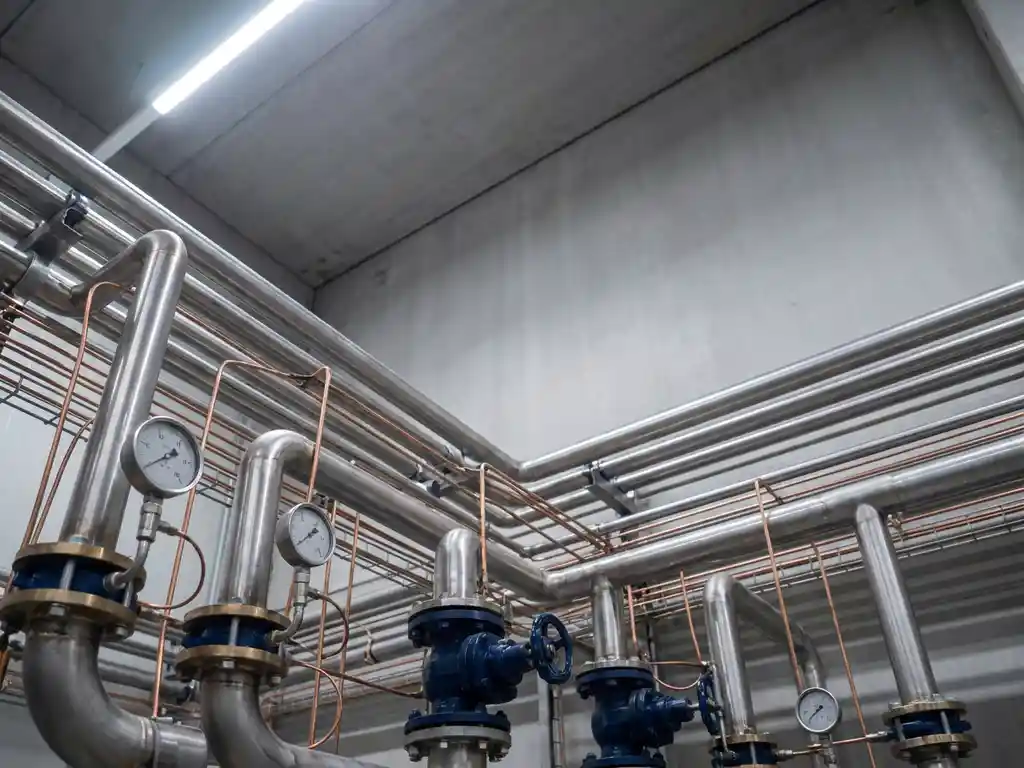
Oil and gas operations use PLC automation for pipeline monitoring, pump control, and safety systems. The technology enables remote operation of facilities in challenging locations while providing the reliability and safety features essential for these critical operations.
We specialize in delivering scalable process automation solutions that optimize production efficiency across these diverse industrial sectors. Our expertise in advanced control systems helps companies achieve their operational goals while maintaining the highest standards of safety and reliability.