
PLC selection for process automation depends on several critical factors, including technical specifications, system compatibility, scalability requirements, and cost considerations. The right PLC choice directly impacts your entire automation system’s performance, reliability, and long-term operational success. Understanding these key selection criteria helps ensure optimal integration with existing systems while supporting future expansion needs.
What is a PLC and why is it critical for process automation?
A PLC (Programmable Logic Controller) is a ruggedized digital computer that controls industrial processes by receiving input signals, processing them according to programmed logic, and sending output commands to actuators and devices. PLCs serve as the central nervous system of process automation, coordinating equipment operation, monitoring safety systems, and ensuring consistent production quality.
The criticality of proper PLC selection cannot be overstated in process automation environments. Your chosen PLC determines system reliability, processing speed, communication capabilities, and integration potential with broader automation infrastructure. A well-selected PLC provides seamless process control, reduces downtime, and enables efficient data collection for optimization purposes.
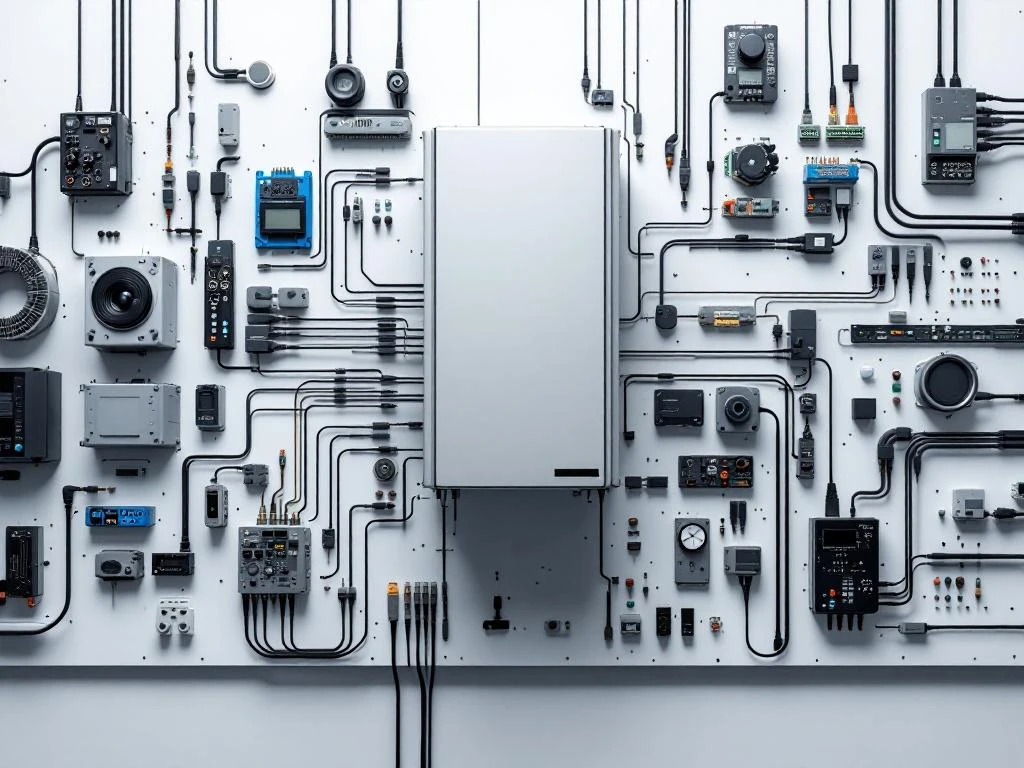
Modern PLCs handle complex control algorithms, safety interlocks, and communication with SCADA systems, HMIs, and enterprise networks. They must operate reliably in harsh industrial environments while providing the flexibility to adapt to changing process requirements. The wrong PLC choice can result in performance bottlenecks, integration challenges, and costly system modifications down the line.
What technical specifications should you consider when selecting a PLC?
Essential technical specifications include I/O capacity, processing power, memory requirements, communication protocols, and environmental ratings. Your PLC must handle current input/output requirements while providing adequate headroom for future expansion. Processing speed determines how quickly the system responds to changing conditions and executes control algorithms.
I/O requirements encompass both digital and analog signals from sensors, transmitters, and control devices. Calculate the total I/O points needed, considering signal types, voltage levels, and isolation requirements. Memory capacity affects program storage, data logging capabilities, and historical trend storage for process optimization.
Communication protocols determine integration capabilities with existing systems. Modern PLCs should support standard industrial protocols like Profibus, Profinet, EtherNet/IP, and Modbus. Environmental specifications, including operating temperature, humidity tolerance, and vibration resistance, ensure reliable operation in your specific industrial conditions.
Processing architecture affects system performance, with options ranging from basic relay logic replacement to advanced process control with integrated safety functions. Consider whether you need standard PLC functionality or require integrated safety systems, motion control, or advanced process algorithms.
How do you determine the right PLC size and scalability for your process?
Right-sizing involves assessing current automation requirements while planning for future expansion needs. Calculate total I/O points, control loops, and processing demands for your application. Consider both immediate requirements and anticipated growth over the system’s operational lifetime, typically 10–15 years for industrial applications.
Modular PLC systems offer superior scalability compared to fixed configurations. Modular designs allow adding I/O modules, communication cards, and processing units as needs evolve. This approach provides cost-effective expansion while protecting the initial investment. Fixed PLCs suit smaller applications with stable requirements and limited growth expectations.
System capacity planning involves evaluating processing load, memory usage, and communication bandwidth requirements. Factor in control algorithm complexity, data logging needs, and communication with other systems. Oversize by 20–30% to accommodate future modifications and ensure optimal performance under peak conditions.
Consider a distributed architecture for large installations, where multiple PLCs handle different process areas while communicating through industrial networks. This approach improves system reliability, reduces wiring costs, and enables modular commissioning of complex installations.
What compatibility factors affect PLC integration with existing systems?
Integration compatibility centers on communication protocols, software environments, and hardware interfaces that connect your PLC to existing SCADA, HMI, and enterprise systems. Protocol compatibility ensures reliable data exchange between automation layers without requiring expensive gateway devices or custom programming solutions.
Software compatibility affects programming efficiency, maintenance requirements, and operator training needs. Standardizing on consistent programming environments across your facility reduces complexity and maintenance costs. Consider whether existing personnel have experience with specific PLC programming software and development tools.
Hardware interface compatibility includes I/O signal types, power supply requirements, and mounting systems. Ensure your chosen PLC accepts existing sensor signals and can drive current actuators without requiring extensive field device modifications. Power supply compatibility reduces installation complexity and maintains system reliability.
Enterprise integration involves connecting process data to manufacturing execution systems (MES), historians, and business systems. Modern PLCs should support standard industrial communication protocols and security features required for enterprise connectivity while maintaining operational technology security requirements.
How do cost considerations influence PLC selection decisions?
Total cost of ownership includes initial hardware costs, programming and commissioning expenses, ongoing maintenance requirements, and lifecycle replacement considerations. Initial hardware costs represent only 20–30% of total ownership costs over a typical 10–15 year operational period, making long-term considerations crucial for cost-effective selection.
Programming and commissioning costs depend on system complexity, programmer expertise, and the chosen PLC platform. Standardizing on familiar platforms reduces engineering time and commissioning complexity. Consider the availability of local support, training resources, and spare parts when evaluating different manufacturers and product lines.
Maintenance costs include spare parts, support contracts, and system updates throughout the operational lifetime. Reliable platforms with good manufacturer support minimize unexpected maintenance expenses and system downtime. Factor in costs for cybersecurity updates, software licensing, and technology refresh requirements.
Operational efficiency impacts include energy consumption, processing speed, and system reliability. More efficient PLCs reduce ongoing operational costs through lower power consumption and improved process performance. Consider how different PLC choices affect overall process efficiency and product quality in your cost analysis.
Selecting the right PLC requires balancing technical requirements, compatibility needs, scalability demands, and cost considerations. We specialize in comprehensive process automation solutions that help organizations navigate these complex decisions while ensuring optimal system performance. Proper PLC selection forms the foundation for efficient, reliable process automation that supports both current operations and future growth objectives.