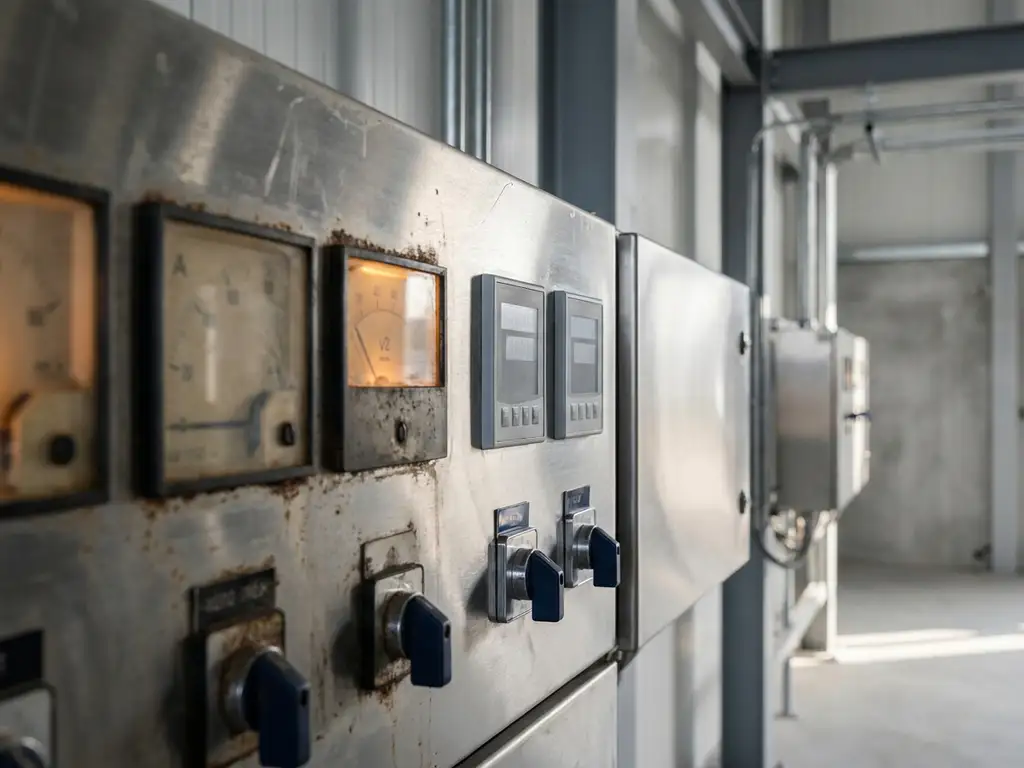

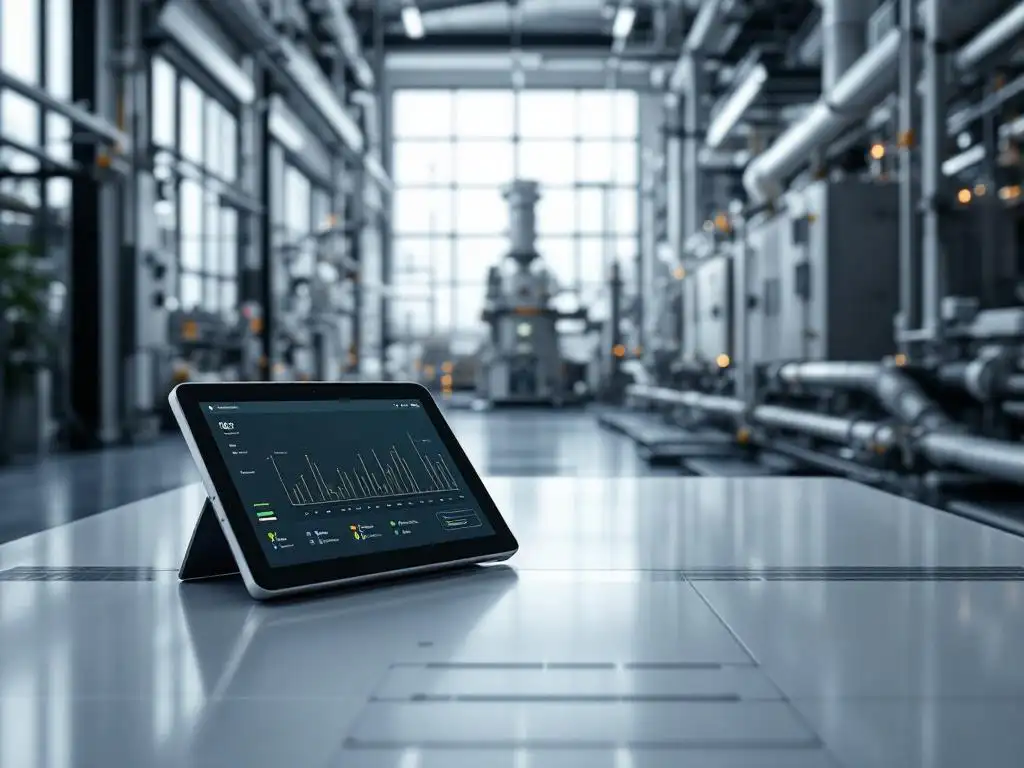
Plant care processes can be extensively automated across multiple operational areas, from production lines and quality control to environmental monitoring and safety protocols. Modern automation systems handle everything from basic temperature control to complex inventory management and predictive maintenance scheduling. The key is identifying which processes deliver maximum efficiency gains while ensuring reliable, secure operations that support your plant’s specific requirements.
What specific processes in plant operations can be automated?
Plant operations can automate production line controls, quality monitoring systems, inventory tracking, environmental controls, maintenance scheduling, and safety protocols. These systems manage everything from raw material handling to final product packaging while maintaining consistent quality standards.
Production line automation includes conveyor control systems, robotic assembly operations, and automated packaging processes. Quality control systems monitor product specifications in real time, automatically rejecting items that do not meet standards and adjusting production parameters accordingly.
Environmental monitoring systems automatically regulate temperature, humidity, pressure, and air quality throughout facilities. These systems maintain optimal conditions for both product quality and worker safety while reducing energy consumption through intelligent control algorithms.
Inventory management automation tracks raw materials, work-in-progress items, and finished goods using barcode scanning, RFID technology, and automated storage systems. This includes automatic reordering when stock levels reach predetermined thresholds.
Maintenance scheduling systems monitor equipment performance and automatically schedule preventive maintenance based on operating hours, cycle counts, or condition monitoring data. Safety protocols can be automated through emergency shutdown systems, fire suppression controls, and automated safety interlocks.
How does automation improve plant efficiency and reduce operational costs?
Automation improves plant efficiency by reducing human error, enabling continuous operation, and optimizing resource usage. Plants typically see reduced labour costs, lower waste generation, improved energy efficiency, and enhanced predictive maintenance capabilities that prevent costly breakdowns.
Continuous operation capabilities allow plants to run production lines around the clock without breaks, significantly increasing output capacity. Automated systems maintain consistent quality standards that reduce waste and rework costs while improving customer satisfaction.
Energy optimization through automated controls can reduce utility costs by adjusting heating, cooling, and lighting based on actual needs rather than fixed schedules. Smart systems learn usage patterns and optimize energy consumption during peak and off-peak periods.
Predictive maintenance prevents unexpected equipment failures that cause expensive downtime and emergency repairs. Automated monitoring systems detect early warning signs of potential problems, allowing maintenance teams to address issues during planned downtime.
Labour cost savings come from reducing manual monitoring tasks and allowing workers to focus on higher-value activities such as process improvement and quality analysis. Automated data collection provides detailed insights into operational performance that support better decision-making.
What are the key components needed for successful plant automation?
Successful plant automation requires SCADA systems for central monitoring, PLCs for process control, sensors for data collection, HMI interfaces for operator interaction, and robust communication networks. These components work together with data management systems and integration platforms to create comprehensive automation solutions.
SCADA (Supervisory Control and Data Acquisition) systems provide centralised monitoring and control capabilities across entire facilities. They collect data from multiple sources and present it through intuitive dashboards that help operators make informed decisions quickly.
PLCs (Programmable Logic Controllers) handle real-time control functions for individual processes or equipment. These ruggedised computers execute control logic, manage safety interlocks, and communicate with other system components reliably in industrial environments.
Sensor networks provide the data foundation for automated systems, measuring parameters such as temperature, pressure, flow rates, vibration, and chemical composition. Modern sensors offer wireless connectivity and self-diagnostic capabilities for improved reliability.
HMI (Human Machine Interface) systems allow operators to interact with automated processes through touchscreens, keyboards, and graphical displays. These interfaces present complex information in user-friendly formats and enable manual overrides when necessary.
Communication networks connect all system components using industrial protocols such as Ethernet/IP, Profibus, or Modbus. Redundant network designs ensure continued operation even if individual connections fail.
Which plant processes should be automated first for maximum impact?
Plants should prioritise automating safety-critical processes first, followed by high-volume repetitive tasks and processes with significant quality impact. Focus on areas where human error creates safety risks, where manual monitoring is difficult to maintain consistently, or where automation delivers immediate cost savings.
Safety systems deserve top priority because they protect personnel and equipment while ensuring regulatory compliance. Automated emergency shutdown systems, fire suppression controls, and toxic gas monitoring provide immediate protection benefits that justify investment costs.
High-volume production processes offer excellent automation opportunities because efficiency gains multiply across large quantities. Packaging lines, material handling systems, and quality inspection processes typically show quick returns on investment.
Critical quality control points benefit significantly from automation because consistent monitoring prevents defective products from reaching customers. Automated testing and measurement systems maintain quality standards more reliably than manual inspection.
Environmental control systems provide ongoing operational savings through optimised energy usage and improved working conditions. These systems often qualify for energy-efficiency incentives that reduce implementation costs.
Start with processes that have clear success metrics and manageable complexity. Build expertise and confidence with initial projects before tackling more complex automation challenges across your facility.
How do you ensure plant automation systems remain reliable and secure?
Reliable and secure automation systems require regular maintenance protocols, robust cybersecurity measures, backup systems, comprehensive staff training, and disaster recovery planning. Implement network segmentation, access controls, and monitoring systems while maintaining current software updates and security patches.
Cybersecurity protection involves network segmentation that isolates automation systems from general business networks. Use firewalls, VPNs, and access controls to prevent unauthorised system access while monitoring network traffic for suspicious activity.
Regular maintenance schedules include software updates, hardware inspections, and performance testing. Establish preventive maintenance procedures for all system components and maintain spare parts inventory for critical equipment.
Backup systems ensure continued operation during equipment failures or maintenance periods. Implement redundant controllers, communication paths, and power supplies for critical processes that cannot tolerate interruptions.
Staff training programmes ensure operators understand normal system operation, recognise abnormal conditions, and respond appropriately to alarms or emergencies. Regular training updates keep skills current as systems evolve.
Disaster recovery planning includes data backups, system restoration procedures, and alternative operation methods. Test recovery procedures regularly to ensure they work effectively when needed.
How CoNet helps with plant automation
We specialise in comprehensive plant automation solutions using Siemens technology, offering everything from initial consultation to ongoing support. Our expertise in PCS 7 process automation and industrial systems helps plants achieve reliable, efficient operations that deliver measurable results.
Our plant automation services include:
- Complete automation system design and engineering
- Siemens PCS 7 implementation and configuration
- SCADA system development and integration
- Safety system design and certification
- 24/7 technical support and maintenance
- Staff training and knowledge transfer
- System upgrades and modernisation
We handle projects from concept through commissioning, ensuring seamless integration with existing operations. Our team manages technical complexities while you focus on production goals and business objectives.
Ready to explore automation opportunities for your plant? Contact our automation specialists to discuss your specific requirements and discover how we can optimise your plant operations through proven automation solutions.