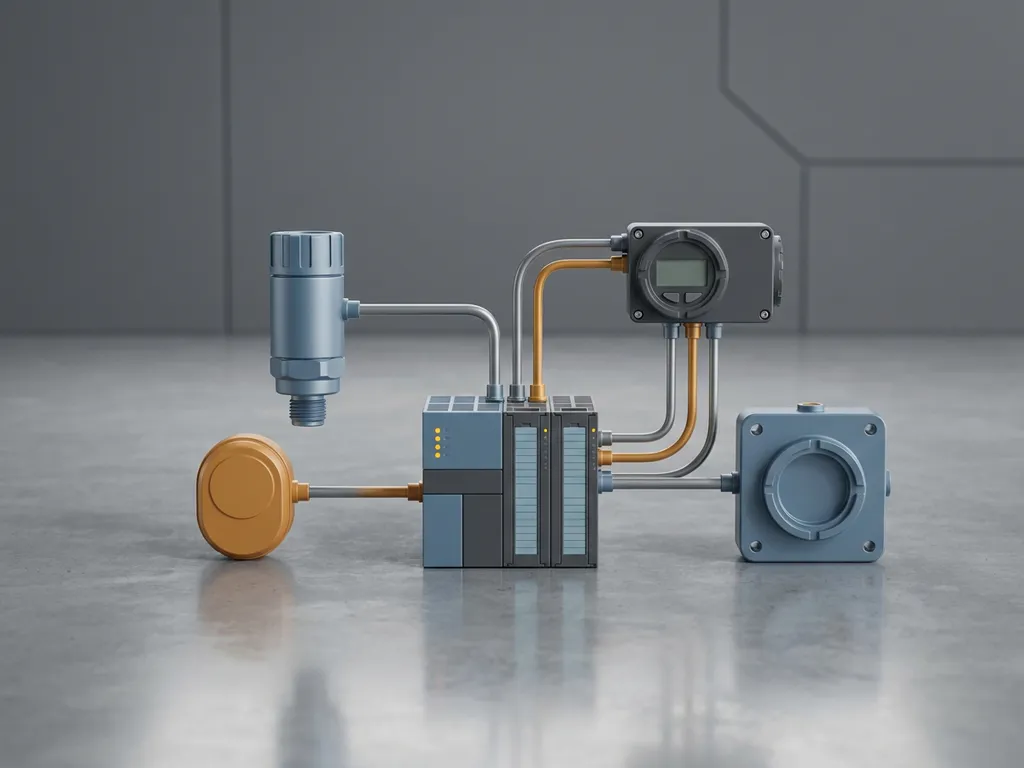


Plant health checks are systematic assessments of industrial automation equipment, control systems, and process infrastructure designed to prevent unexpected failures and optimize performance. These proactive evaluations monitor the condition of critical components, including sensors, actuators, communication networks, and safety systems. Regular plant health checks help identify potential issues before they cause costly downtime, ensure safety compliance, and maintain operational efficiency across manufacturing facilities.
What are plant health checks and why do they matter?
Plant health checks are comprehensive monitoring and assessment procedures that evaluate the condition of automation equipment, control systems, and process infrastructure in industrial facilities. They involve systematic inspection of hardware, software, and performance metrics to identify potential problems before they escalate into failures.
These assessments matter because they serve three fundamental purposes. They prevent unexpected equipment failures that can halt production and cost thousands in lost revenue. They optimize system performance by identifying inefficiencies and degradation patterns that reduce operational effectiveness. They ensure safety compliance by verifying that all protective systems function correctly and meet regulatory standards.
Plant care through regular health checks also extends equipment lifespan and reduces maintenance costs. When automation systems receive consistent monitoring and attention, they operate more reliably and require fewer emergency repairs. This proactive approach creates predictable maintenance schedules and budgets while maintaining consistent production quality.
How often should you perform plant health checks?
The frequency of plant health checks depends on equipment criticality, age, operating conditions, and industry requirements. Critical systems typically require monthly or quarterly assessments, while standard equipment may need semi-annual or annual evaluations. Harsh operating environments demand more frequent monitoring.
Continuous monitoring systems provide real-time health data for the most critical components. These systems track performance metrics, vibration patterns, temperature variations, and other key indicators around the clock. Periodic comprehensive assessments complement continuous monitoring by providing detailed analysis that automated systems cannot perform.
Equipment age significantly influences check frequency. Newer systems may require less frequent comprehensive assessments but still need regular monitoring to establish baseline performance patterns. Older equipment typically needs more frequent attention as components approach end-of-life and failure rates increase.
The balance between proactive monitoring and operational efficiency requires careful consideration. Checks that are too frequent can disrupt production, while insufficient monitoring risks unexpected failures. Most facilities find success with a tiered approach that combines continuous automated monitoring with scheduled comprehensive assessments based on equipment criticality.
What components are included in a comprehensive plant health check?
A comprehensive plant health check evaluates multiple interconnected systems, including control systems, field instrumentation, communication networks, safety systems, and human-machine interfaces. Each component requires specific assessment techniques and performance criteria to ensure optimal operation.
Control systems assessment covers processors, input/output modules, power supplies, and software performance. Technicians evaluate processing speeds, memory usage, error logs, and backup system functionality. They also verify that control logic operates correctly and responds appropriately to various input conditions.
Field instrumentation evaluation includes sensors, actuators, and transmitters. This involves calibration verification, signal quality assessment, and physical condition inspection. Communication network analysis examines data transmission speeds, error rates, and network topology integrity.
Safety systems receive particular attention during health checks. Emergency shutdown systems, fire and gas detection equipment, and safety interlocks undergo rigorous testing to ensure they respond correctly during emergency situations. Human-machine interfaces are evaluated for responsiveness, display accuracy, and operator accessibility.
How do you identify potential problems before they cause downtime?
Early problem detection relies on trend analysis, alarm pattern recognition, performance degradation monitoring, and predictive analytics. These methods identify subtle changes that indicate developing issues before they cause equipment failures or production interruptions.
Trend analysis examines historical data to identify gradual changes in system performance. Slowly increasing response times, rising operating temperatures, or declining measurement accuracy often signal impending problems. Pattern recognition identifies recurring alarm sequences that may indicate intermittent faults or developing system instabilities.
Performance degradation monitoring tracks key metrics against established baselines. When parameters drift outside normal operating ranges, investigation can reveal root causes before they escalate. Vibration analysis, thermal imaging, and electrical testing provide additional diagnostic information about component condition.
Warning signs include increased alarm frequency, unusual noise or vibration, temperature variations, and slower system response times. Diagnostic techniques such as loop testing, communication diagnostics, and software analysis help pinpoint specific problem areas and guide corrective actions.
What’s the difference between reactive and proactive plant maintenance?
Reactive maintenance addresses problems after they occur, while proactive maintenance prevents problems before they happen. Reactive approaches fix equipment when it breaks down, leading to unplanned downtime, emergency repair costs, and potential safety risks. Proactive strategies use health checks and monitoring to maintain equipment before failures occur.
Cost analysis reveals significant differences between these approaches. Reactive maintenance appears less expensive initially but often costs more due to emergency repairs, production losses, and overtime labor. Proactive maintenance requires consistent investment but typically reduces total maintenance costs through planned activities and extended equipment life.
Risk assessment also favors proactive approaches. Unexpected failures can create safety hazards, environmental incidents, and quality problems. Planned maintenance allows proper safety preparations, spare parts availability, and scheduling during convenient production windows.
Health checks enable proactive strategies by providing the information needed to plan maintenance activities. Regular assessments identify components approaching end-of-life, allowing replacement during scheduled shutdowns rather than emergency situations. This approach maintains production schedules while ensuring reliable plant care.
How CoNet helps with plant health checks
We provide comprehensive plant health check services using our expertise in Siemens PCS 7 process automation systems. Our certified specialists conduct thorough assessments of control systems, safety equipment, and communication networks to identify potential issues before they impact production.
Our plant health check services include:
- Complete system performance analysis and trending
- Safety system testing and verification
- Communication network diagnostics and optimization
- Predictive maintenance recommendations
- 24/7 support for critical system monitoring
As the only PCS 7 Process Safety Specialist in the Netherlands, we understand the complexities of modern automation systems and provide actionable recommendations to maintain optimal plant performance. Our comprehensive methodology ensures nothing is overlooked, while our ongoing support keeps your systems running reliably.
Ready to optimize your plant’s performance and prevent unexpected downtime? Contact us to schedule a comprehensive health check assessment and discover how proactive maintenance can improve your operational efficiency.