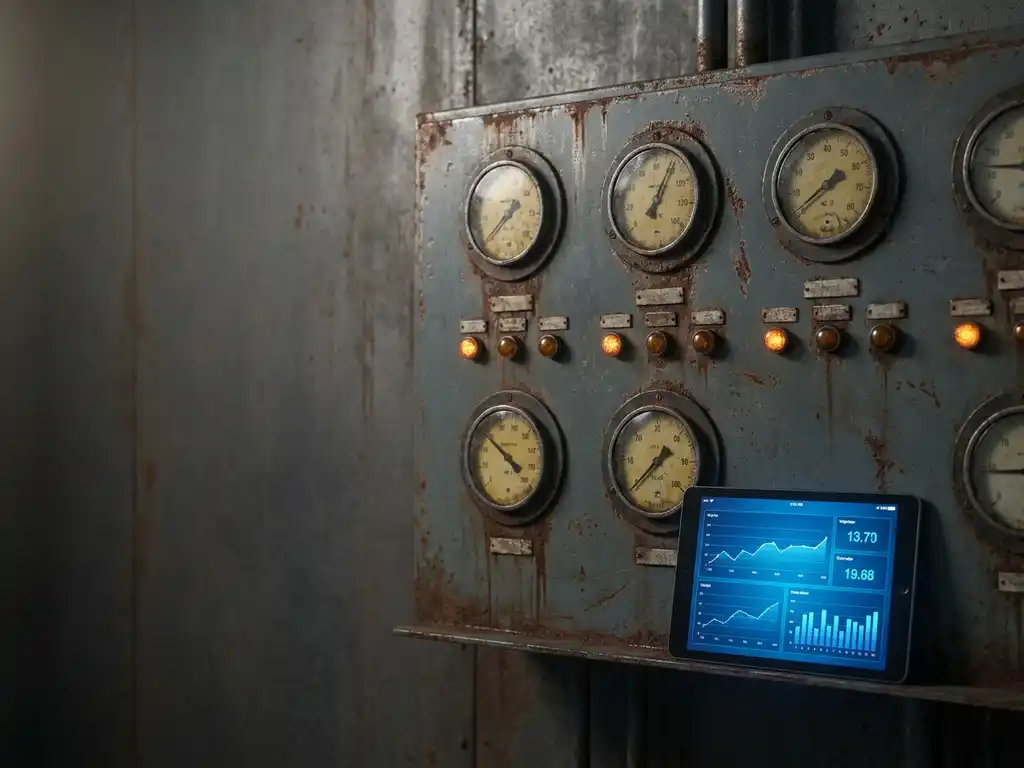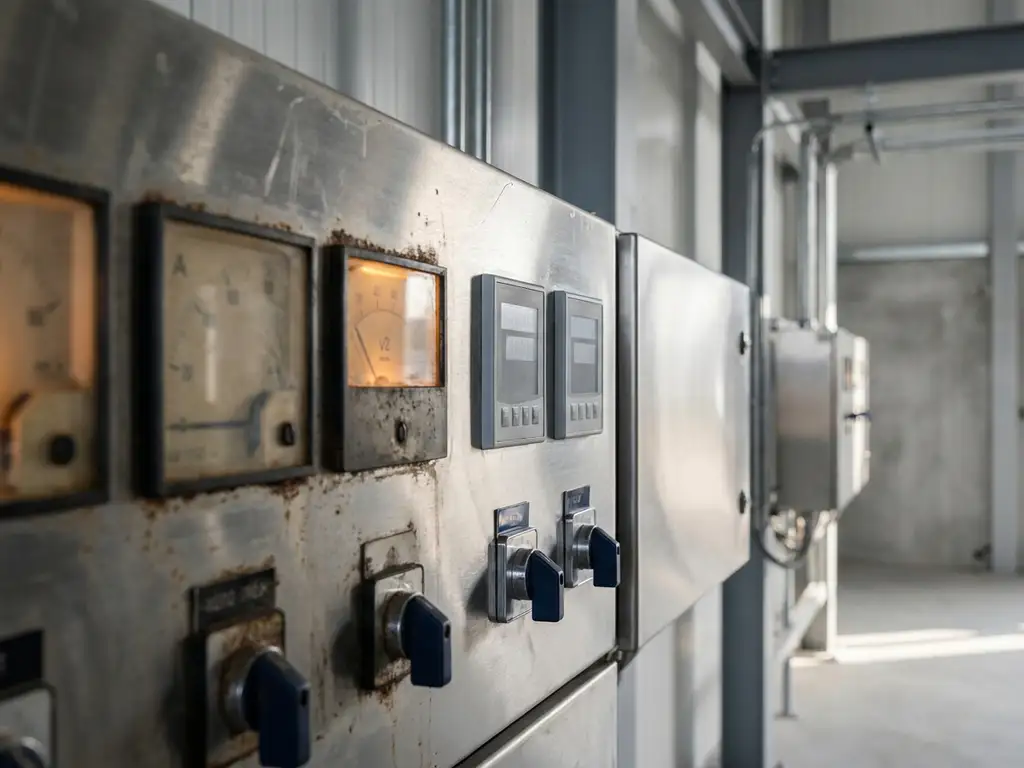


Plant care automation refers to intelligent systems that monitor and control industrial processes automatically, replacing manual oversight with sensors, control systems, and software platforms. These systems continuously track parameters such as temperature, pressure, and flow rates, making real-time adjustments to maintain optimal conditions. This technology transforms how facilities manage their operations, ensuring consistent performance while reducing the need for human intervention.
What exactly is plant care automation and how does it work?
Plant care automation combines sensors, control systems, and software platforms to monitor and manage industrial processes without constant human supervision. The system automatically adjusts parameters based on real-time data, maintaining optimal operating conditions throughout your facility.
The core components work together seamlessly. Sensors collect data on temperature, pressure, flow rates, and other critical parameters. This information feeds into control systems that compare actual conditions against preset targets. When deviations occur, the system automatically makes corrections through actuators, valves, and other control devices.
Modern plant care systems integrate advanced software platforms that provide visualisation, data logging, and predictive analytics. These platforms enable operators to monitor multiple processes simultaneously, receive alerts when attention is needed, and analyse trends to optimise performance over time.
What are the main benefits of implementing plant care automation?
Plant care automation delivers improved efficiency, reduced operational costs, enhanced safety, consistent product quality, and predictive maintenance capabilities. These systems eliminate human error in routine processes while enabling staff to focus on strategic activities that add greater value to operations.
Efficiency improvements come from precise control that maintains optimal operating conditions continuously. Systems respond to changes faster than human operators, preventing small deviations from becoming larger problems. This consistent performance reduces waste, improves throughput, and maximises equipment utilisation.
Cost reduction occurs through multiple channels. Lower labour requirements for routine monitoring, reduced material waste through precise control, and decreased energy consumption via optimised operations all contribute to improved profitability. Additionally, predictive maintenance capabilities help prevent costly equipment failures.
Safety benefits are substantial. Automated systems can operate in hazardous environments, reducing human exposure to dangerous conditions. They also provide consistent monitoring that never gets tired or distracted, ensuring safety protocols are maintained around the clock.
Which industries benefit most from plant care automation systems?
Chemical processing, oil and gas, food and beverage manufacturing, pharmaceuticals, and energy production sectors gain the most value from automation systems. These industries require precise control, consistent quality, and reliable operation that automated systems deliver effectively.
Chemical processing facilities use automation to maintain exact reaction conditions, ensuring product quality while managing safety risks. Temperature, pressure, and chemical feed rates must be controlled precisely to achieve desired outcomes and prevent dangerous situations.
Food and beverage manufacturers rely on automation for consistent product quality and regulatory compliance. Systems monitor pasteurisation temperatures, mixing ratios, and packaging conditions to ensure products meet safety standards and consumer expectations.
Pharmaceutical operations require extremely precise control for regulatory compliance and product efficacy. Automation systems maintain the exact conditions needed for drug manufacturing while providing detailed documentation for regulatory authorities.
Energy production facilities use automation to optimise efficiency and maintain grid stability. Whether generating power or processing fuels, these systems balance complex variables to maximise output while ensuring safe operation.
What challenges do companies face when implementing plant automation?
Companies encounter initial investment costs, system integration complexity, staff training requirements, cybersecurity concerns, and transition management challenges when implementing automation. These obstacles require careful planning and phased approaches to overcome successfully.
Initial investment costs can be substantial, particularly for comprehensive automation systems. However, the long-term benefits typically justify the expense through improved efficiency and reduced operating costs. Many organisations implement automation in phases to spread costs over time.
System integration complexity arises when connecting new automation systems with existing equipment and processes. Legacy systems may require upgrades or replacement, and ensuring compatibility across different technologies requires careful planning and expertise.
Staff training represents both a challenge and an opportunity. While employees need new skills to work with automated systems, this often leads to more interesting and valuable roles. Training programmes should begin early in the implementation process.
Cybersecurity becomes increasingly important as automation systems connect to networks. Protecting against cyber threats requires robust security measures, regular updates, and ongoing monitoring to prevent unauthorised access to critical systems.
How do you choose the right automation technology for your plant?
Select automation technology based on plant size, industry requirements, existing infrastructure, budget considerations, and long-term operational goals. Key technologies include SCADA systems for monitoring, PLCs for control, and IoT sensors for data collection, each serving specific functions in comprehensive automation strategies.
Plant size influences technology choices significantly. Smaller facilities may benefit from simpler PLC-based systems, while larger operations often require sophisticated SCADA systems with advanced analytics capabilities. Consider both current needs and future expansion plans when making selections.
Industry requirements determine the specific features and capabilities needed. Food processing requires different safety and documentation features compared with chemical manufacturing. Ensure chosen technologies meet relevant regulatory standards and industry best practices.
Existing infrastructure affects implementation complexity and costs. Systems that integrate well with current equipment and networks reduce installation time and expenses. Evaluate compatibility carefully to avoid costly modifications or replacements.
Budget considerations should include both initial costs and ongoing expenses. Factor in software licensing, maintenance contracts, training costs, and potential upgrades when evaluating the total cost of ownership for different automation options.
How CoNet helps with plant care automation
We specialise in Siemens-based automation solutions that transform industrial operations through advanced process control and system integration. Our expertise spans PCS 7 process automation, comprehensive engineering support, and ongoing maintenance services across diverse industrial sectors.
Our comprehensive services include:
- PCS 7 process automation system design and implementation
- Complete system integration with existing infrastructure
- 24/7 industrial support and maintenance services
- Digital Grid solutions for energy management
- Custom engineering solutions for specific industry requirements
As certified Siemens specialists, we provide a single point of contact for all your automation needs, from initial consultation through long-term support. Our team combines technical expertise with practical experience across the chemical, food and beverage, and energy sectors.
Ready to explore how plant care automation can transform your operations? Contact our specialists for a consultation tailored to your specific requirements and operational goals.